
Rabbits are adorable companions that need proper care to stay healthy. A rabbit cannot go 12 hours without water without risking serious dehydration. It’s important to understand how critical hydration is for your furry friend.
When rabbits don’t have enough water, it can lead to significant health issues, including organ failure.
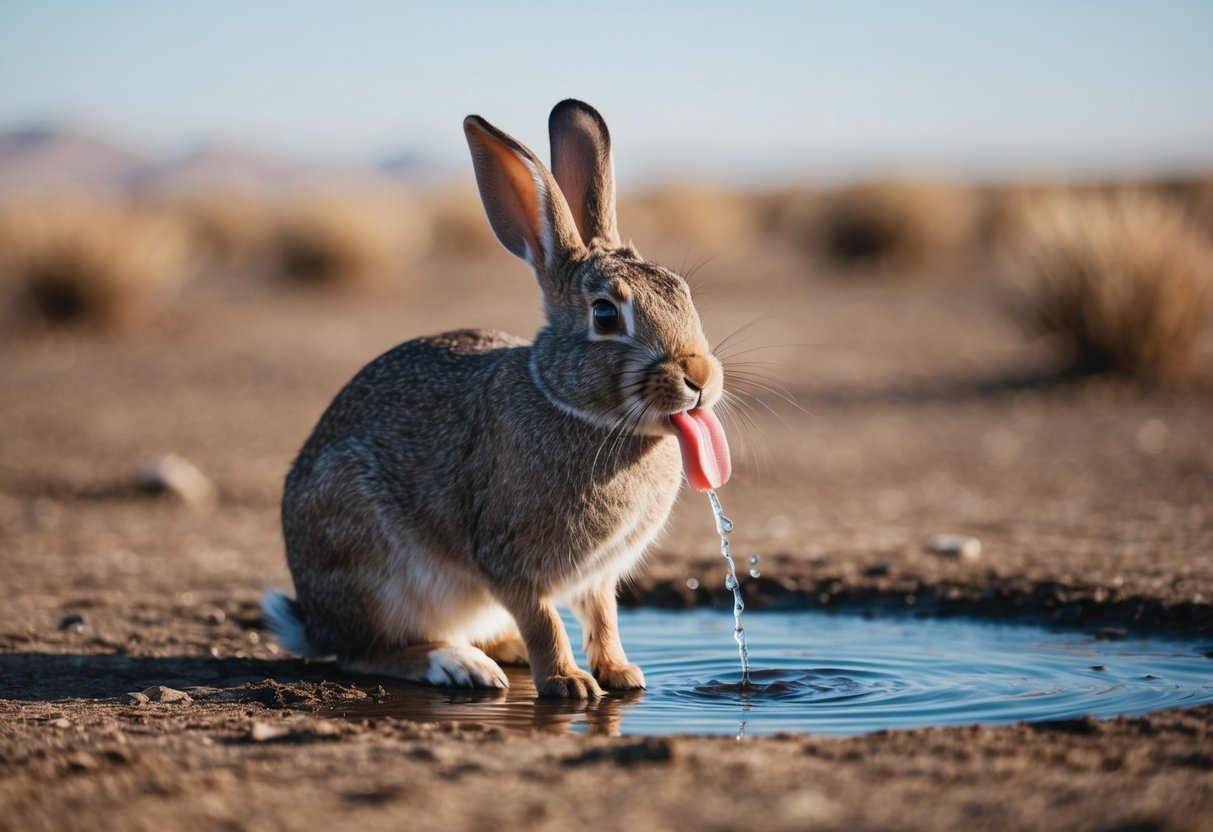
You might wonder how long rabbits can actually go without drinking. The truth is that healthy rabbits typically need access to water at all times. Even a few hours without hydration can begin to affect their health.
Knowing the signs of dehydration can help you take action if your rabbit is struggling to drink.
Taking care of a rabbit means being aware of their needs, especially when it comes to hydration. Understanding how long your rabbit can go without water is essential for ensuring their well-being. After reading, you’ll be more informed about keeping your rabbit happy and healthy.
Understanding Rabbit Hydration Needs
Water is essential for your rabbit’s health. They need a good supply of fresh water to stay hydrated and maintain their well-being. Without enough water, rabbits can face serious health issues.
Importance of Water for Rabbits
Rabbits are about 60% water. This means they rely on hydration to help their bodies function properly. Water helps with digestion and keeps their digestive system running smoothly. Without it, your rabbit could face constipation and gastrointestinal stasis, which can be life-threatening.
Dehydration can begin within just 12 hours of not drinking water. If a rabbit goes without water for too long, it can lead to organ failure, which is very serious. Regular access to water is essential for keeping your rabbit healthy and happy.
How Much Water Do Rabbits Drink
Rabbits usually drink about 2 to 4 ounces of water each day, depending on their size and the type of food they eat. Fresh greens can contribute to their water intake as well.
If your rabbit is active or it’s hot outside, they may drink more water. On cold days, ensure their water doesn’t freeze, as they still need hydration.
Always provide clean, fresh water in a bowl or bottle, making it easy for your rabbit to drink as needed.
Recognizing Dehydration in Rabbits
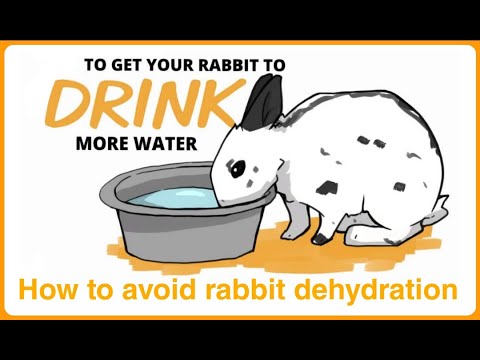
It’s essential to know how to spot dehydration in your rabbit. Recognizing the signs early can help you keep your furry friend healthy and avoid serious health issues.
Signs of Dehydration in Rabbits
Dehydration can be serious for rabbits, and knowing the signs can help you act quickly. Some common signs include:
- Lethargy: Your rabbit may seem less active or disinterested in play.
- Dry Mouth and Nose: A dry or sticky mouth and a warm nose can indicate dehydration.
- Sunken Eyes: If your rabbit’s eyes look sunken or dull, it could be a warning sign.
- Reduced Appetite: If your rabbit isn’t eating or drinking as usual, it may be dehydrated.
- Skin Tent Test: Gently pinch the skin on your rabbit’s back. If it doesn’t return to normal quickly, your rabbit might be dehydrated.
Keep an eye out for these signs, as addressing them early is crucial.
Health Risks Associated with Dehydration
Dehydration can lead to serious health issues in rabbits. Without enough water, your rabbit could develop GI stasis, which is a severe slowdown of their digestive system. This can lead to pain and further complications.
Other risks include:
- Organ Failure: Severe dehydration can cause organs to struggle, potentially leading to organ failure.
- Weakness: Dehydration can make your rabbit weak, affecting their ability to move and play.
- Increased Risk of Illness: A dehydrated rabbit’s immune system may be weakened, making them more vulnerable to sickness.
Ensuring your rabbit has constant access to water is vital for their health and well-being.
Provision and Monitoring of Water
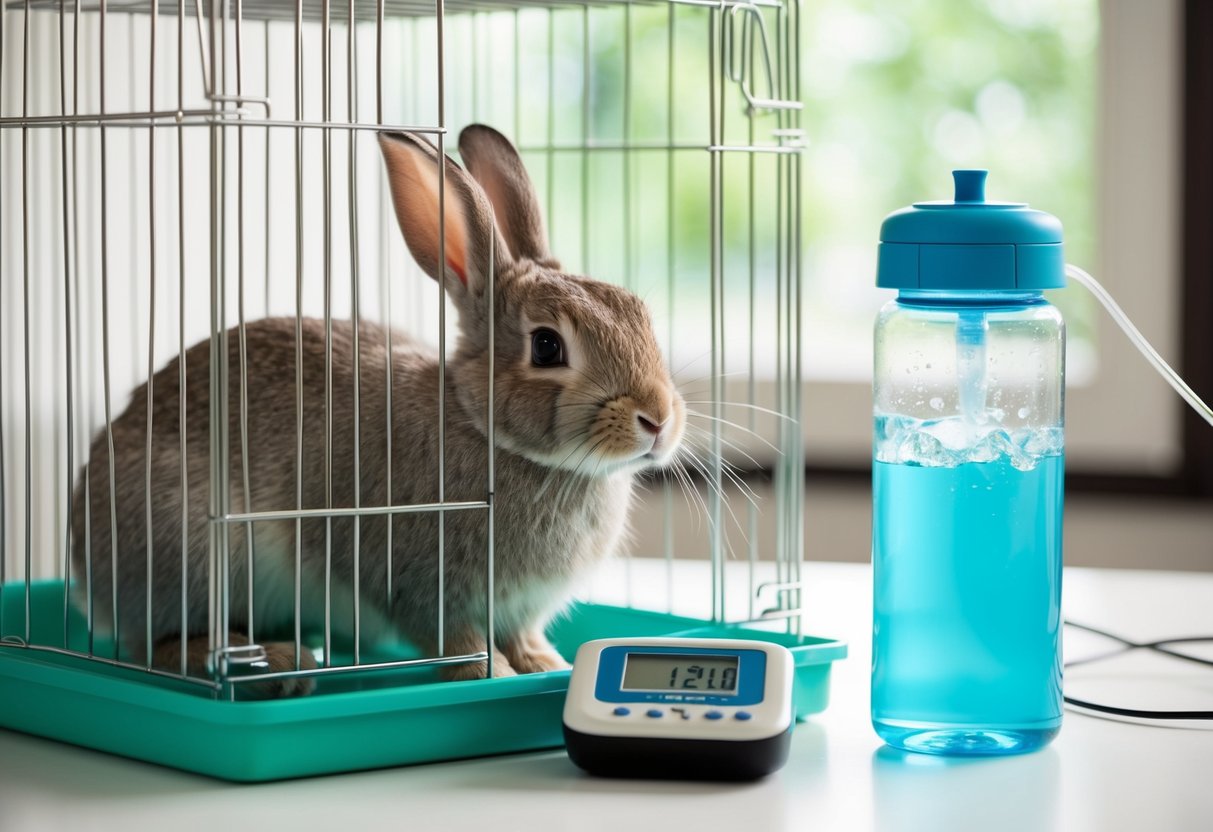
Providing your rabbit with fresh drinking water is essential for their health and well-being. You should pay attention to the type of water bowl used and keep it clean. Monitoring for signs of dehydration is also crucial, especially during different environmental conditions.
Choosing the Right Water Bowls
Selecting the right type of water bowl is important. A shallow, heavy bowl can prevent tipping and spilling. Avoid deep bowls that may cause your rabbit stress while reaching for water.
Consider using ceramic bowls, as they are easy to clean and don’t tip over easily. Make sure the bowl holds enough water for your rabbit throughout the day.
Check the water daily and refill it with clean, fresh water. If your rabbit prefers drinking from a water bottle, use one with a metal spout to prevent leaks and keep the environment tidy.
Maintaining Cleanliness in Water Supply
Clean water is key to keeping your rabbit healthy. You must wash the water bowl regularly to prevent bacteria growth. Rinse it with hot, soapy water at least every few days.
Check for any signs of discoloration or floating debris before refilling. If you notice any changes in your rabbit’s behavior or signs of dehydration, such as lethargy or dry mouth, ensure their water supply is adequate and clean.
Consider placing the water bowl in an area protected from dirt or litter. Monitoring your rabbit’s drinking habits can also help you catch potential issues.
Providing consistent access to clean water is essential, especially during warmer months when dehydration can occur more quickly.
Addressing Water-Related Health Concerns

When thinking about your rabbit’s health, keeping them hydrated is essential. Dehydration can lead to serious issues, including gastrointestinal stasis, which is a common concern in rabbits. Your rabbit’s diet also plays a significant role in their overall hydration.
Preventing Gastrointestinal Stasis
Gastrointestinal stasis occurs when your rabbit’s gut slows down or stops moving. This condition can be serious and is often linked to dehydration. Signs include a lack of appetite, smaller droppings, or lethargy.
Make sure your rabbit has access to fresh water at all times. Also, offer high-fiber foods like timothy hay, which helps keep their digestive system moving.
In addition, monitor their eating habits closely. If your rabbit goes without water for even a short time, try to encourage them to drink or offer water-rich foods like leafy greens.
Diet’s Role in Hydration
Your rabbit’s diet can significantly affect their hydration levels. Rabbit pellets are important, but they should not be the only part of their diet.
Fresh hay, especially timothy hay, provides essential fiber. This fiber aids digestion and helps maintain hydration.
Incorporating fresh vegetables can also help. Foods like romaine lettuce or cilantro contain high water content.
Keep in mind that a balanced diet, combined with plenty of water, is key. This reduces the risk of dehydration and supports your rabbit’s overall health.


