
Ever spotted an opossum wandering through your yard or maybe scurrying down the street? You might find yourself wondering if these odd little creatures have a mean streak. Honestly, opossums aren’t aggressive by nature. They’ll only try to defend themselves if they feel really threatened or cornered.
Most of the time, they’d rather avoid trouble and keep their distance from people.
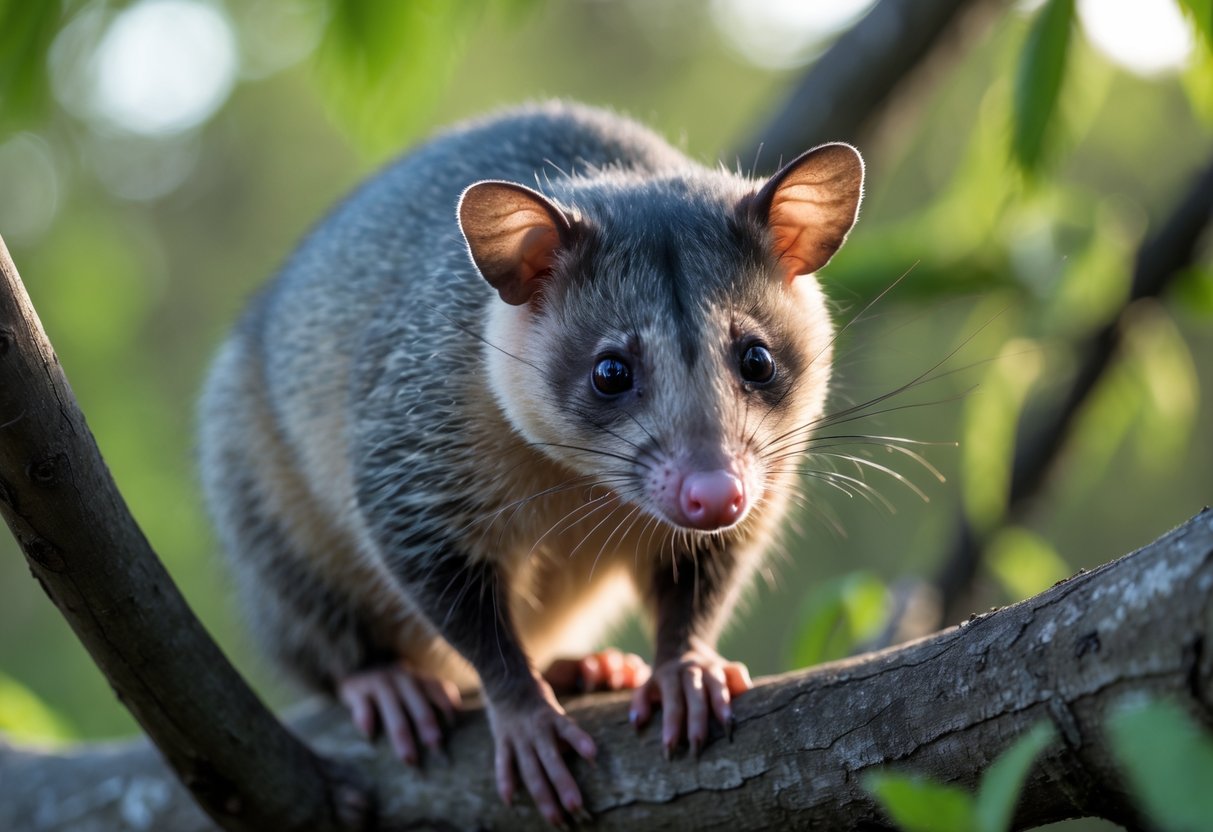
You might see one hiss or flash its teeth, but that’s usually just a bluff to scare off whatever’s bothering it. Their most famous trick? Playing dead—yep, they flop over and pretend to be lifeless to fool predators.
If you understand these quirky behaviors, you’ll start to see why opossums act the way they do. They’re mostly harmless, honestly.
Getting to know how opossums behave can help you feel less uneasy around them. It also makes those backyard run-ins a lot less stressful.
Curious about what else to expect? Let’s dig in a little deeper.
Are Opossums Aggressive?

Opossums act pretty shy and usually steer clear of trouble. You won’t see them get aggressive unless they feel trapped or totally spooked.
If you understand how they act around people and pets—and what their “aggressive” signals really mean—it’s a lot easier to stay calm when you see one.
Behavior Towards Humans
When you bump into an opossum, it’s probably just trying to get away from you. These animals don’t attack people for no reason.
If you startle one, it might hiss, bare its teeth, or make a racket to warn you off. But biting? That’s rare, unless it feels like it can’t escape.
Most of the time, they’ll just run away or flop over and “play dead.” Give them some space and don’t make any sudden moves, and they’ll leave you alone.
You can read more about this at Terminix.
Interaction With Pets and Other Animals
Opossums don’t really go after pets like dogs or cats. They’d rather avoid a showdown and just mind their own business.
If you see one hissing or showing its teeth, it’s just saying, “Back off.” It doesn’t want to fight.
Most pets won’t have any issues with opossums. These animals often sneak through yards without causing trouble.
Still, it’s smart to keep an eye on your pets, especially if the opossum looks sick or acts strange. For more info, check Humane Rescue Alliance.
Typical Signs of Aggression
When opossums feel threatened, they might hiss, screech, growl, or show their teeth. It’s all just posturing—they’re trying to scare you away, not pick a fight.
If those tricks don’t work, they’ll “play possum.” That’s their way of pretending to be dead to avoid an attack.
Real attacks from opossums? Super rare. They usually only happen if the animal is sick, trapped, or totally desperate.
You can find more details at Wildlife Help.
| Sign | Meaning | What to Do |
|---|---|---|
| Hissing | Warning to back off | Give space and stay calm |
| Teeth Baring | Threat display | Don’t approach or corner |
| Playing Dead | Defense to avoid attack | Leave the opossum alone |
Dealing With Opossums Around Your Home
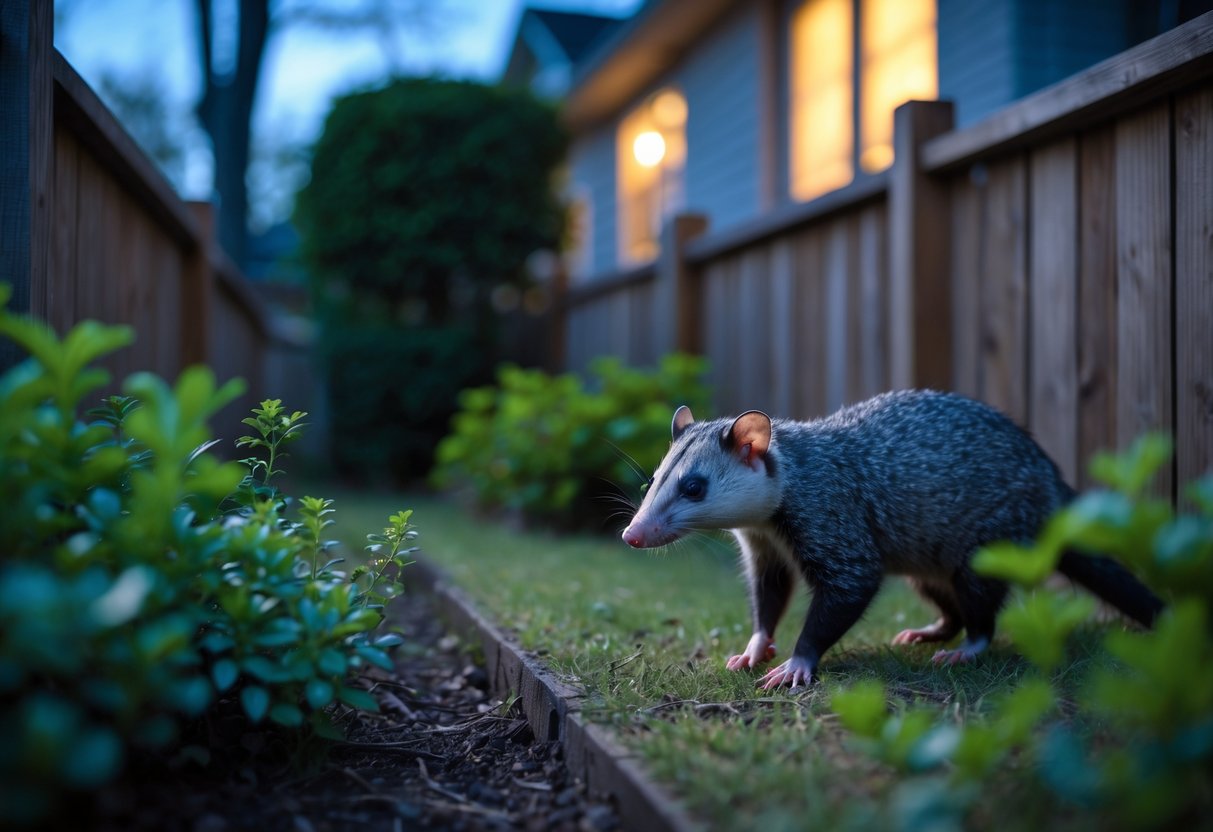
If you spot opossums hanging around your place, you probably want to keep things safe for everyone involved.
It’s good to know how to get them to move along without hurting them—or risking your own health.
How to Get Rid of Opossums
Start by removing stuff that draws them in. Lock up your garbage cans with tight lids.
Bring pet food inside at night. Use enclosed compost bins for food scraps.
Seal any gaps around your home, like holes near pipes or under doors. Opossums won’t make new entrances, but they’ll use ones already there.
Chimney caps help keep them from falling inside.
If you need help, call wildlife experts to trap and remove opossums safely. Don’t try to catch them yourself—they might hiss or act aggressive if they feel threatened.
Disease Risks and Safety Considerations
Opossums can carry diseases like rabies, and they often bring along parasites such as ticks and fleas. They might also spread a microorganism called Equine Protozoan Myeloencephalitis (EPM), which is especially dangerous for horses.
Try not to touch opossums, and definitely keep your pets away from them. If you ever notice an opossum acting strangely or looking sick, it’s best to call a professional right away.
If you absolutely have to handle spots where opossums hang out, put on gloves. Use disinfectant to clean up any droppings—nobody wants to deal with those health risks.
Being careful helps protect you, your family, and your animals.
Curious about safe removal or just want more info? Check out All About Wildlife Control or Terminix.


