
Ever spotted an opossum in your yard and wondered if it’s gentle or a danger? Honestly, opossums are pretty gentle animals. They’d rather avoid trouble than cause it. Most of the time, they just play dead or make a fuss to scare off danger instead of getting aggressive.
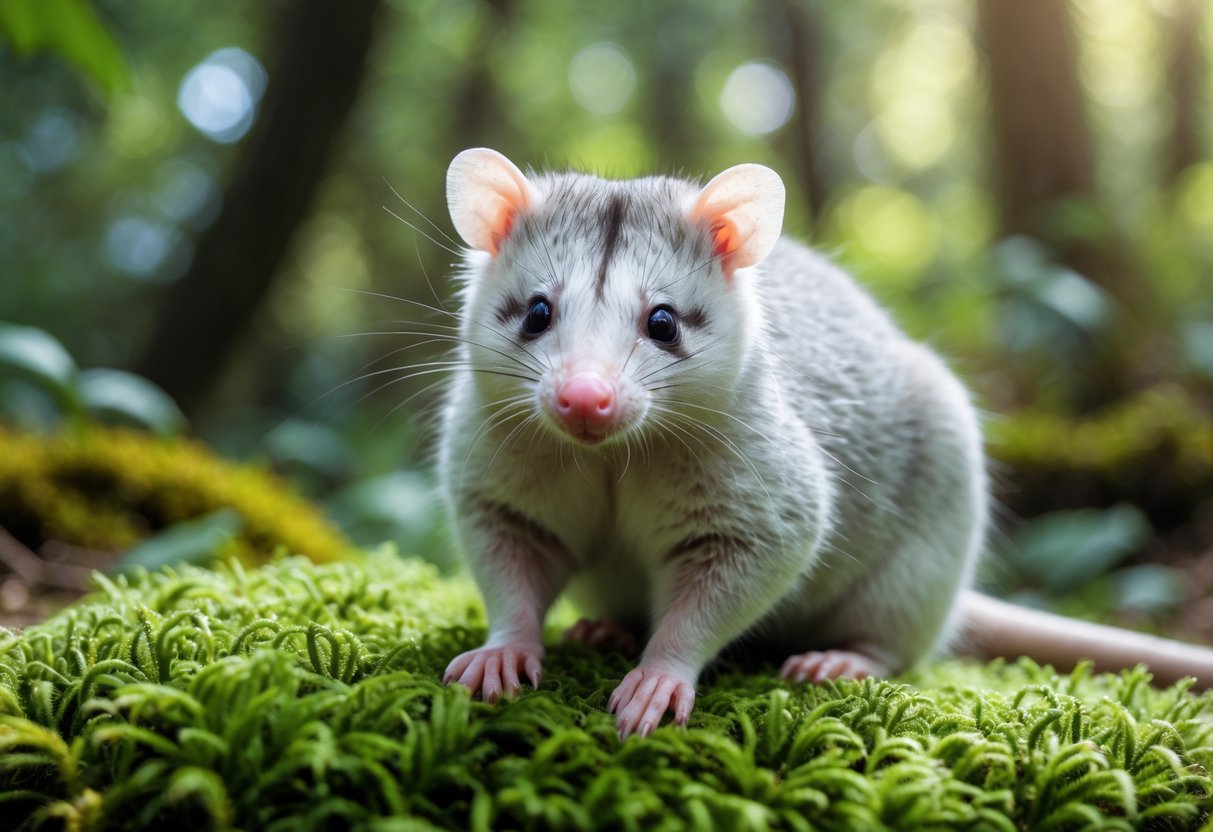
You might be surprised at how helpful opossums can be. They keep your garden cleaner by munching on pests like insects and small rodents.
These shy creatures mostly keep to themselves at night. It’s easy to live near them without any fuss.
If you get a handle on their behavior, you’ll probably feel a lot more comfortable when you see one around.
Exploring the Gentle Nature of Opossums

People often misunderstand opossums. When left alone, they usually act pretty calm.
They don’t pick fights and would rather avoid trouble altogether. Their slow pace and odd defense tricks keep them safe without needing to lash out.
Common Misconceptions About Opossums
A lot of folks think opossums are dangerous or dirty. You might worry they’ll bite if you get too close.
But that’s not really the case. Opossums are shy and try to stay away from humans.
They don’t carry many diseases and actually have a strong resistance to rabies. That makes them safer neighbors than you’d guess.
Some people think opossums look scary because of their teeth and long tails. But honestly, they usually just show their teeth to spook threats, not to attack.
They’d much rather freeze or run than pick a fight.
Typical Behavior and Defense Mechanisms
Opossums move slowly and usually come out at night. If something scares them, they’ll try to run first.
If they can’t get away, they’ll sometimes “play dead.” They flop over and look totally out of it—sometimes for minutes, sometimes for hours.
This isn’t just for show. By doing this, opossums trick predators into thinking they’re not worth the trouble.
Their bodies don’t release any odor during this act, so predators often lose interest. Sometimes they’ll hiss or bare their teeth, but it’s mostly a warning.
Aggressiveness and Interaction With Humans
You really don’t need to worry about opossums getting aggressive. They hardly ever attack people or pets.
They won’t chase you, and biting only happens if they’re truly cornered and terrified.
If you see one, just stay calm and give it a little space. They’ll usually move on if they don’t feel threatened.
Most of the time, an opossum in your yard is just looking for a snack—maybe some bugs or fruit. In the process, they help cut down on pests.
Body Language and Communication
Opossums use body language to show how they feel. If one’s relaxed, it’ll move slowly with its mouth closed.
If it feels threatened, it might hiss, growl, or flash its teeth as a warning.
They use their tails and feet to move quietly and grab things. A tail wrapped around a branch or a slow blink usually means the opossum feels safe.
If you pay attention to these signs, you can figure out if the opossum wants to stick around or slip away.
For more details, you can check out Understanding Opossums.
Ecological Benefits and Role of Opossums

Opossums quietly keep your environment in balance. They eat pests, help control disease, and clean up dead animals.
Their eating habits make them surprisingly good neighbors, whether you live in the wild or the suburbs.
Impact on Tick and Insect Populations
Opossums chow down on lots of ticks, including ones that carry Lyme disease. By eating these pests, they help lower your risk of tick-borne illnesses.
They also snack on insects like cockroaches and beetles. This natural pest control means fewer bugs without chemicals.
With fewer pests around, your yard and neighborhood feel a little safer and healthier.
Contribution to Disease Control
Opossums help cut down on some nasty diseases. They eat ticks and small rodents, which helps reduce the spread of Lyme disease and other illnesses.
They’re naturally resistant to rabies, so you’re less likely to run into a rabid opossum compared to other wild animals.
By scavenging, they clean up dead animals before they can spread disease. That’s a big help for everyone.
Diet and Cleanup Role
Opossums aren’t picky eaters. They’ll munch on fruits, insects, small animals, eggs, and even dead critters.
When they clean up animal carcasses, they help keep waste down and stop diseases from spreading.
Their habit of eating leftovers and pests helps recycle nutrients into the soil, which is great for plants and the local ecosystem.
Relationship With Neighborhood Environments
If you spot an opossum hanging around your home, it’s probably just doing its part to keep pests under control in your garden.
They munch on slugs, snails, and bugs that would otherwise damage your plants.
Opossums are pretty shy creatures, and honestly, they’re mostly out at night. You probably won’t even notice them during the day.
They steer clear of people and don’t go looking for trouble.
Letting opossums stick around helps your garden stay healthy and keeps pests at bay—nature’s pest control, really.
Curious about all the ways opossums help out? Here’s more about their important role in the ecosystem.


