
When deciding between a girl dog or a boy dog, training ease becomes an important factor. Many people find that female dogs can be easier to train due to their quicker maturity and willingness to engage with their owners. This doesn’t mean male dogs can’t be trained successfully; it often comes down to the individual dog’s personality and how you approach training.

Every dog is unique, and factors like breed and background play a big role in training success. While some studies suggest male dogs may be more receptive to commands, it’s essential to remember that proper training techniques can lead to success with both genders. This article will explore the traits of boy and girl dogs to help you decide which might be a better fit for your training needs.
Gender-Specific Training Challenges

Training your dog involves understanding their unique needs. Male and female dogs can present different challenges, especially in areas like potty training and behavioral issues.
Potty Training Variations
Potty training can differ between male and female dogs. Female puppies often take longer to learn where to relieve themselves. This could be due to their smaller bladders.
It’s important to take them out frequently to avoid accidents.
Male puppies might also have their own challenges. They can be more territorial and may struggle with marking their territory.
Training them to go outside at regular intervals can help prevent indoor accidents.
Consistency is key for both genders. Use praise or treats as rewards when they do their business outside. This positive reinforcement can encourage good habits.
Understanding Urine Marking
Urine marking is a common issue with male dogs. This behavior often stems from their natural instinct to mark territory. Not only puppies, but even adult male dogs may engage in this behavior, especially in new environments.
To manage urine marking, it’s important to neuter male dogs. This often reduces the urge to mark.
Female dogs can also engage in marking, especially if they have not been spayed. Training them to listen to commands and redirecting their focus can be effective strategies to reduce this behavior.
Addressing Behavioral Concerns
Both male and female dogs can present behavioral challenges. Male dogs may exhibit more dominant behaviors like aggression or jumping. It’s crucial to address these issues early on through consistent training and socialization.
Female dogs might show sensitivity or anxiety more frequently. Their emotional state can affect training.
Providing a calm environment helps them learn better.
Identify specific behaviors that concern you. Use training sessions to correct them with patience and positive reinforcement. Adjust your approach based on your dog’s gender and personality for effective results.
Health Considerations in Training
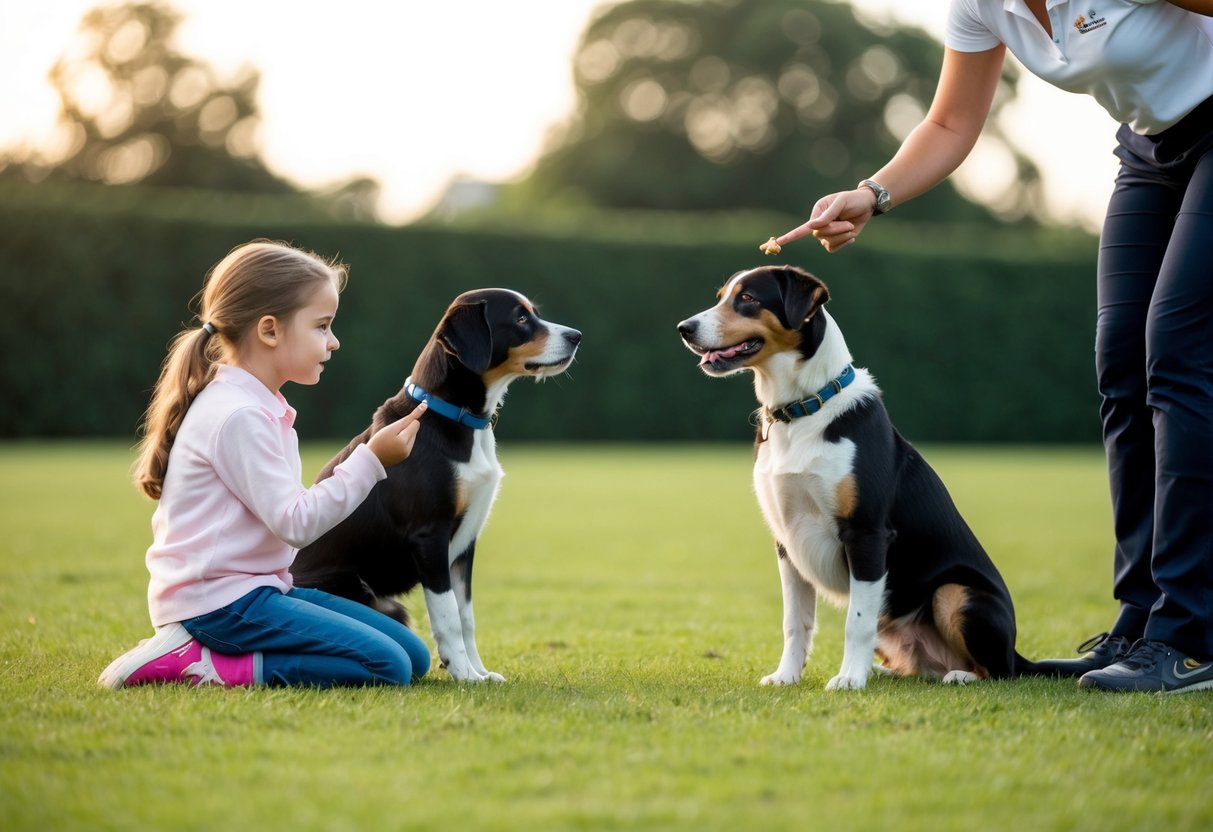
When training your dog, it’s important to keep health considerations in mind. Knowing how neutering or spaying affects behavior and understanding health issues can help you make better training decisions.
Preventive Care: Neutering and Spaying
Neutering male dogs and spaying female dogs can significantly influence their behavior and health.
For male dogs, neutering reduces the risk of testicular cancer and prostate issues. These conditions can lead to discomfort and disrupt your dog’s focus during training.
For female dogs, spaying lowers the risk of mammary tumors and prevents issues like vaginal discharge during heat cycles.
Both procedures can also result in calmer behavior, making it easier for you to train and bond with your dog.
Preparing your dog for spaying or neutering involves consulting your vet to determine the right time. This can lead to a healthier, more focused pet during training.
Managing Health Issues
It’s crucial to address any existing health issues before starting a training program. Dogs with health problems may struggle to concentrate and respond properly.
Conditions like allergies or joint pain can affect your dog’s ability to perform.
If your dog shows signs of discomfort or unusual behavior, consult a vet. Early detection and treatment of health issues can improve your dog’s overall well-being and training success.
Remember, monitoring your dog’s health is just as important as training. By being proactive, you can ensure a happy, healthy, and trainable companion.
Effective Training Techniques

To train your dog effectively, it’s important to use the right methods. This includes utilizing positive reinforcement and carefully choosing the right puppy. Both of these strategies can make your training experience much smoother and more enjoyable.
Utilizing Positive Reinforcement
Positive reinforcement is one of the best ways to train your dog, whether your puppy is a boy or a girl. This technique involves rewarding your dog for desired behaviors. You can use treats, praise, or toys as rewards.
When your dog performs a trick or follows a command, immediately provide the reward. This helps your dog connect the action with the positive outcome.
For example, when teaching a sit command, say “sit” and reward them when they do.
Stay consistent with your rewards and make your training sessions short and fun. Repetition is key, so practice regularly.
Remember, patience is essential, as each dog learns at their own pace.
Choosing the Right Puppy
Choosing the right puppy is crucial for effective training. Male and female dogs can have different personality traits that might affect your training experience.
Female dogs often mature faster and may show more independence. They can be very focused during training.
Male dogs might be more playful and sometimes have a short attention span.
Think about your lifestyle and what kind of temperament fits best with your family. Observe puppies’ behavior and choose one that aligns with your training goals.
A puppy that is naturally curious and confident can make training easier.
Take your time in this crucial step to ensure a positive training journey ahead.
Considerations for Multi-Dog Homes

When you think about adding a second dog, there are important things to consider. The dynamics between males and females can affect training and behavior. Understanding these differences helps you create a harmonious environment.
Introducing a Second Dog
Introducing a second dog to your home should be done carefully. Start by choosing a dog that complements your current dog’s temperament. For example, a calm female might balance an energetic male.
Perform introductions in neutral territory to reduce territorial behavior. Use a leash for both dogs and keep them at a safe distance initially. Gradually allow closer interactions while monitoring their behavior.
It’s also essential to establish a routine for feeding and exercise. This structure helps reduce jealousy or competition between dogs. Finally, avoid giving excessive attention to just one dog during the introduction phase to ensure both feel valued.


