
If you’ve ever wondered about the most aggressive dog breeds in the UK, you’re not alone. Many people are curious about which breeds are known for aggressive behaviors. Research shows that the University of Helsinki conducted a study that considers Rough Collies as the most aggressive dog breed. Other breeds, like German Shepherds and certain terriers, can also exhibit aggressive tendencies, especially if not trained or socialized properly.
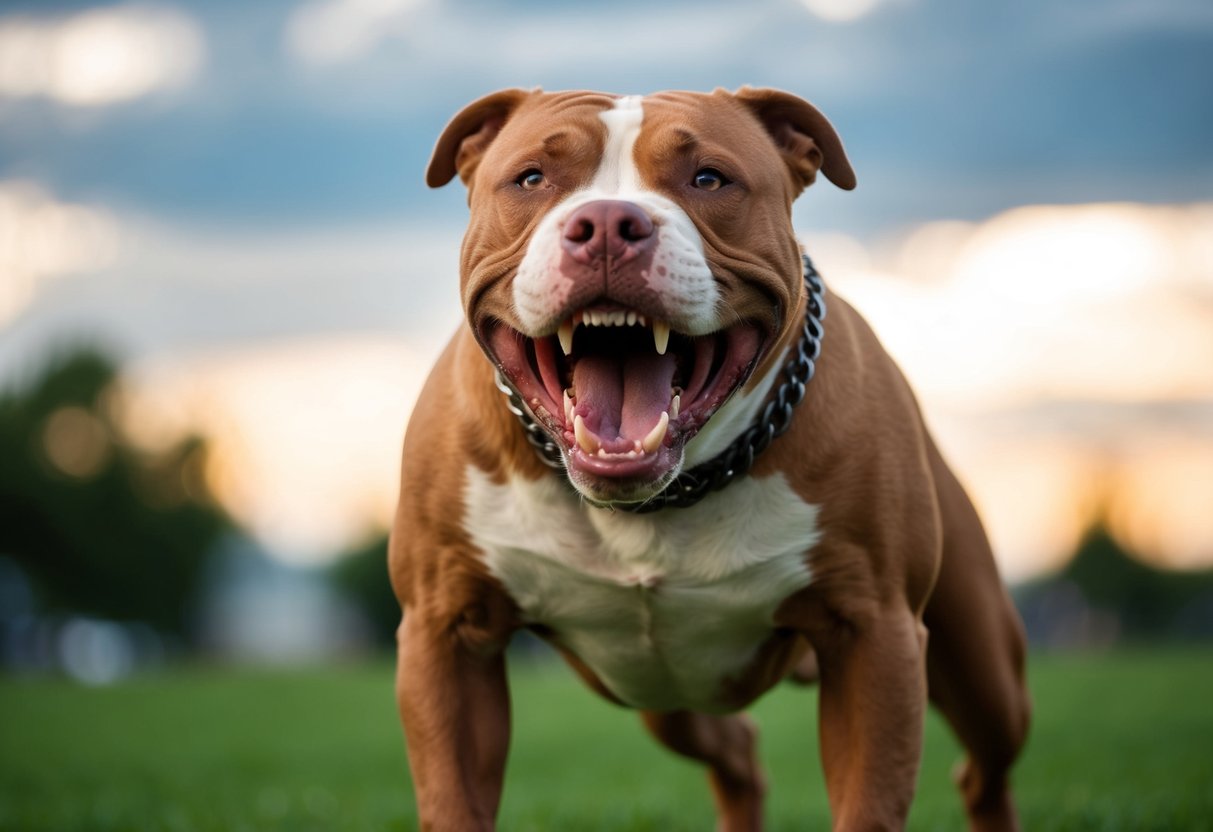
Understanding dog aggression is important, especially if you’re thinking about bringing a dog into your home. Knowing which breeds tend to show more aggression can help you choose a pet that fits your lifestyle. While no breed is inherently aggressive, some may require more attention and responsible ownership than others.
In this blog post, you’ll learn about various aggressive dog breeds in the UK and what factors can contribute to their behavior. Whether you’re a dog owner or just a dog lover, this information will guide you in making informed decisions about dog ownership.
Understanding Dog Aggression

Dog aggression can be complex and often varies from one breed to another. Different types of aggression can arise due to various factors, including environment, training, and genetics. Recognizing these types and factors can help you better understand your dog’s behavior.
Types of Aggression
Aggression in dogs can be classified into several types. Some common ones include:
- Fear-based aggression: This occurs when a dog feels threatened. For example, a Chihuahua might act aggressively when approached by a larger dog because it feels scared.
- Territorial aggression: Many breeds, like Rottweilers and German Shepherds, may display aggression towards strangers who enter their perceived territory.
- Protective aggression: This is when a dog feels the need to protect its owner or family. Breeds like Staffordshire Bull Terriers can be more prone to this type.
- Play aggression: Sometimes, dogs might play too roughly, resulting in aggressive behavior. This can be seen in dogs like Labradors and Jack Russells when they’re excited.
Understanding these types can help you manage your dog’s behavior better.
Factors Contributing to Aggression
Various factors can influence a dog’s aggression. Environmental influences play a significant role. For example, lack of socialization can make a Rottweiler or a German Shepherd more aggressive towards new experiences.
Genetics also matter. Certain breeds, like Pit Bull Terriers and Akitas, may have a predisposition to aggressive behavior. However, not all individuals of these breeds show aggression.
Training and owner behavior are crucial too. A well-trained dog, regardless of its breed, is less likely to show aggression. Teaching your dog commands and rewarding good behavior can lead to a more balanced temperament.
Always observe your dog’s body language. Signs of aggression can include growling, barking, or a stiff posture. Understanding these signs can help you take action before a situation escalates.
Statistical Overview of Dog Attacks in the UK
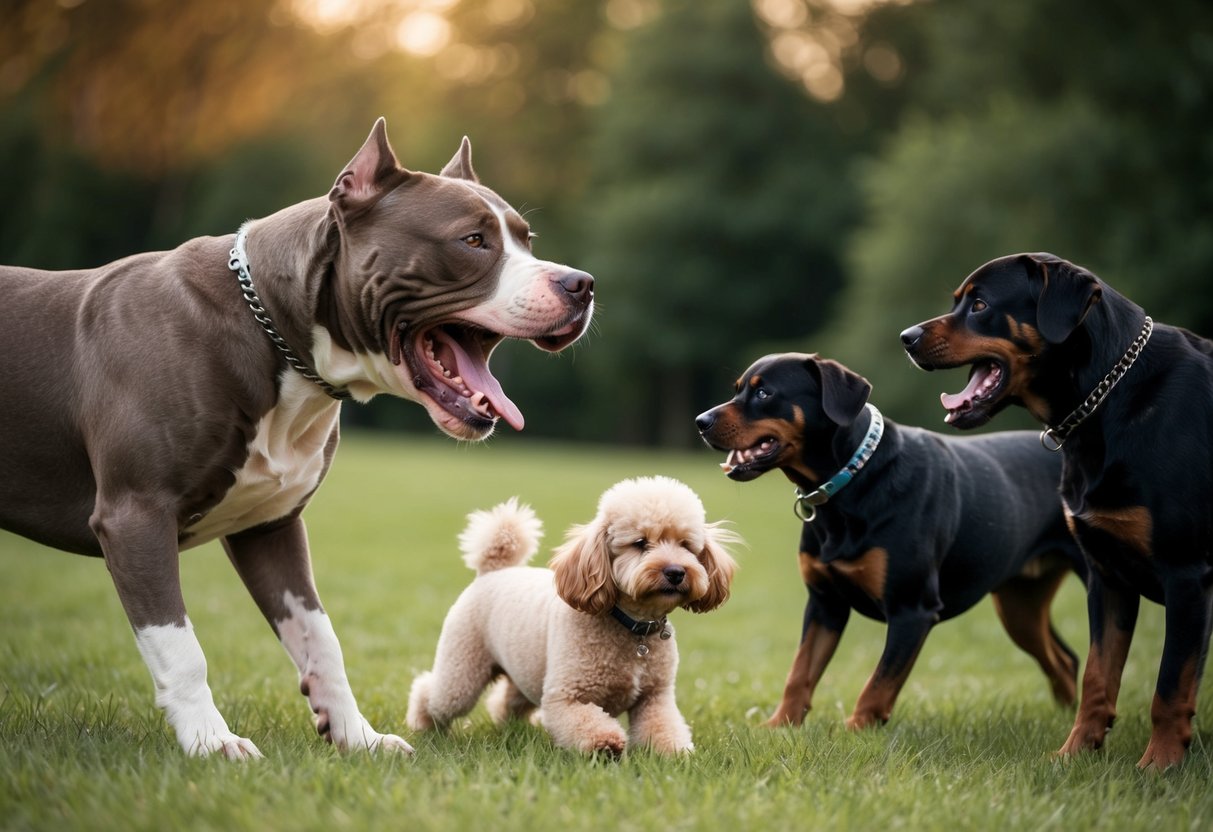
Dog attacks can be a serious concern, leading to injuries and even fatalities. Understanding the statistics around these incidents can help promote safety and responsible ownership.
Breed-Specific Legislation and Public Safety
In the UK, specific breeds are often singled out in breed-specific legislation. This legislation aims to reduce the number of attacks by restricting ownership of certain dogs, like the Pit Bull Terrier and Rottweiler. Studies show that these breeds are frequently involved in serious incidents.
Owners of these breeds must follow strict regulations. This includes ensuring these dogs are always muzzled in public spaces. Critics argue that focusing on breeds can overlook the role of training and socialization in dog behavior. Responsible ownership plays a crucial role in preventing attacks.
Police Recorded Dog Attacks
Police statistics reveal a concerning trend regarding dog attacks. In England and Wales, there has been a significant rise in recorded dog attacks. Recently, a 34% increase was noted, which is particularly alarming considering the dog population rose by only 15% during that time.
Local authorities report more aggressive behavior, often linked to increased awareness and training of officers. The Dangerous Dogs Act 1991 governs many of these incidents. It defines dangerous behavior and holds owners accountable. Understanding these statistics can help you stay informed and encourage responsible pet ownership within your community.
Characteristics of Notably Aggressive Breeds
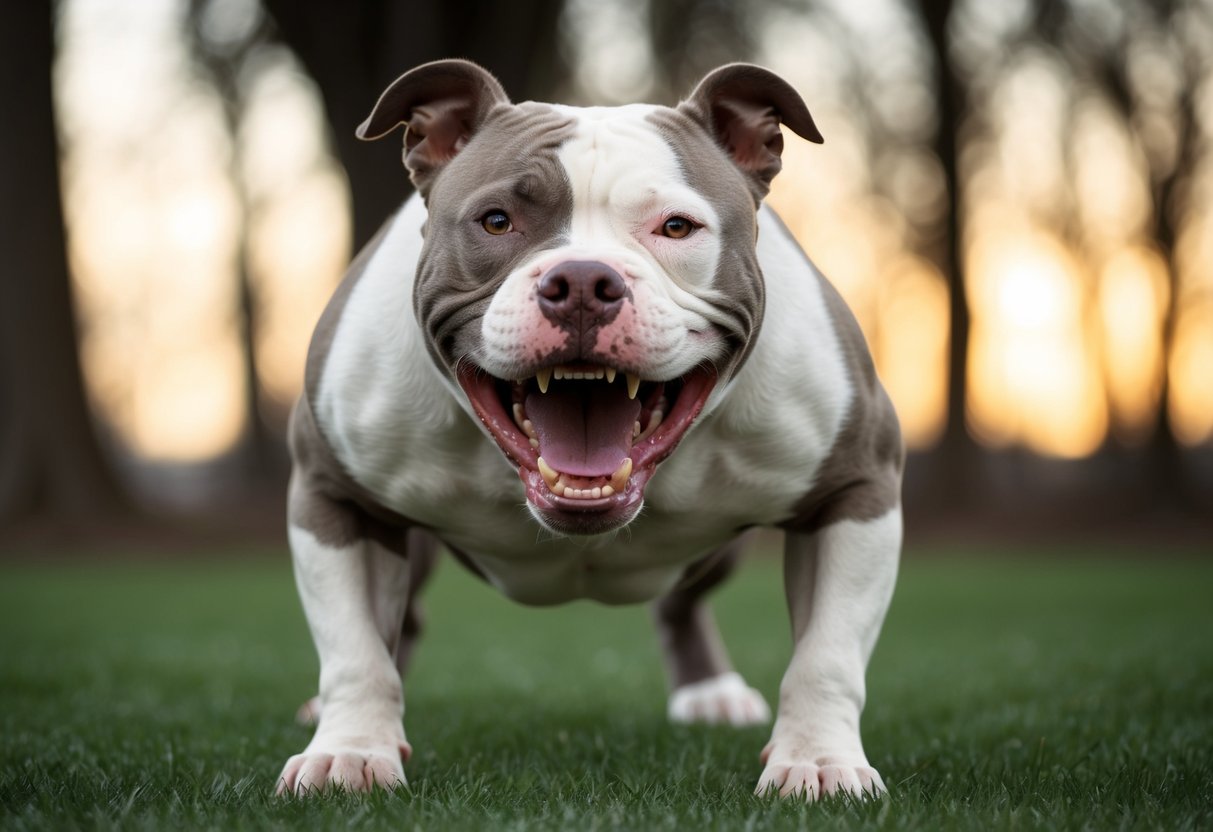
Understanding the traits of aggressive dog breeds can help you make informed decisions about pet ownership. Certain breeds display behaviors that may be concerning. Here are some notable breeds known for their aggressive tendencies.
Rottweilers and German Shepherds
Rottweilers are powerful dogs known for their loyalty and protective nature. This breed often requires firm training from an early age. They can be territorial and may show aggression if they feel their home is threatened.
German Shepherds are intelligent and versatile. While they are often used in police and military roles, without proper socialization, they can develop aggressive behaviors. Early training and routine social exposure are crucial. Both breeds need responsible ownership to ensure they are well-behaved companions.
Pit Bull Terrier and Staffordshire Bull Terrier
The Pit Bull Terrier is often misunderstood and labeled as dangerous. They are strong and energetic, needing ample exercise and guidance. Negative behaviors can arise from improper training or abuse, emphasizing the importance of responsible ownership.
Staffordshire Bull Terriers, sometimes confused with Pit Bulls, are generally affectionate. They can be protective and display aggression if not socialized properly. Having a firm yet loving approach to training can lead to a well-adjusted pet.
American XL Bully and Other Large Breeds
The American XL Bully is noted for its muscular build and strong personality. Unfortunately, they’ve been involved in several attacks, which has raised concerns about their behavior. Adequate training and socialization can help mitigate aggression and ensure they learn proper manners.
Other large breeds share similar traits that can lead to aggression. Regular exercise, social interaction, and consistent training are essential for these dogs. Fostering a positive environment can greatly influence their behavior, allowing them to thrive as good family pets.
Preventing and Managing Aggression
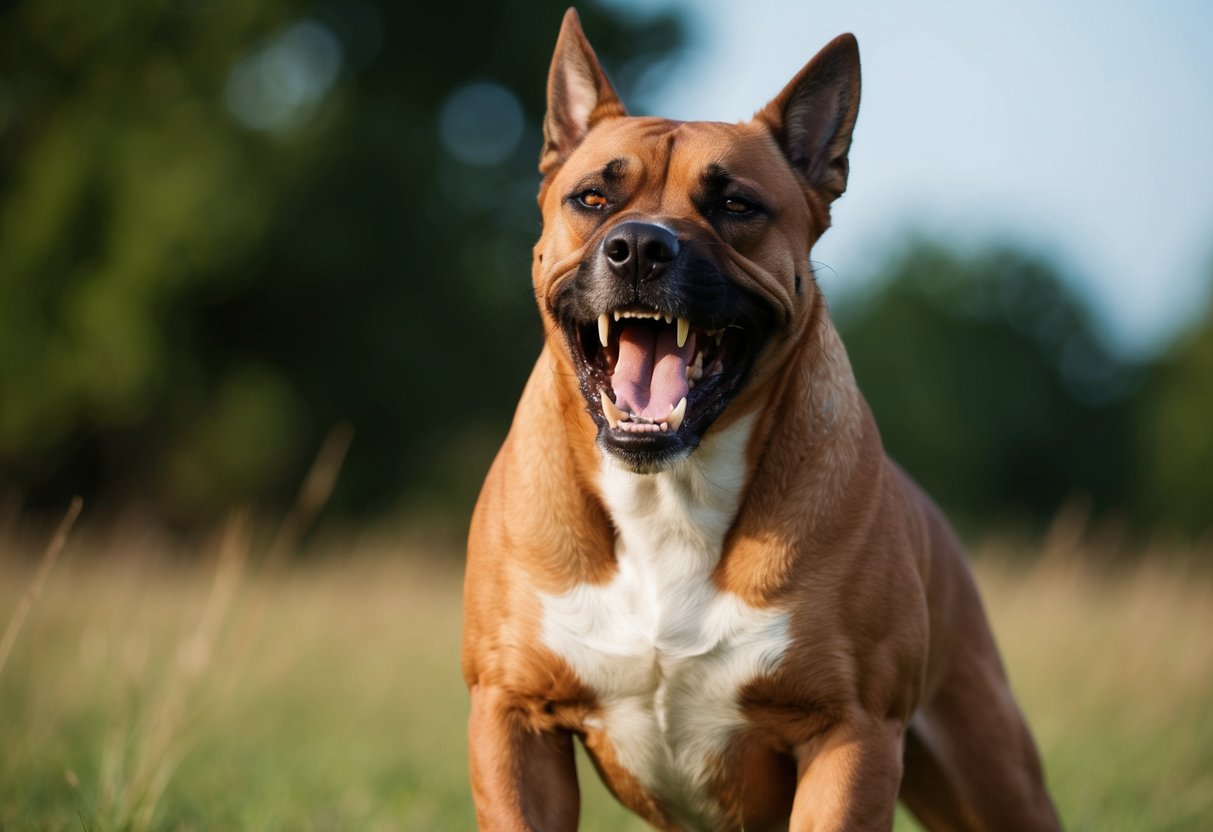
Managing aggression in dogs is essential for both safety and well-being. By focusing on proper training and choosing the right dog, you set a solid foundation for a positive relationship with your pet.
Training and Socialization
Training your dog plays a vital role in preventing aggression. Start with basic commands like sit, stay, and come. This establishes you as the leader and builds trust.
Socialization is just as important. Expose your dog to various environments, people, and other animals from a young age. This helps prevent fear-based aggression, which can happen if your dog feels threatened.
Consider enrolling in puppy classes or training sessions. Positive reinforcement techniques, like treats and praise, encourage good behavior. Always approach training with patience and consistency, as these are key elements in shaping a well-mannered dog.
Choosing the Right Dog
Selecting the appropriate breed for your home is crucial in managing aggression. Some breeds are naturally more aggressive, like guard dogs, while others are known for their gentle nature.
If you have a family, you might consider breeds that are known to be family-friendly, such as Labrador Retrievers or Golden Retrievers. These breeds often handle interactions with children well and are less likely to show aggression.
Do your research to understand the temperament of different dog breeds. Pay attention to their energy levels and needs to find a good match for your lifestyle. Choosing a stable, well-bred puppy can greatly reduce the chances of aggressive behavior as they mature.


