
Ever wondered, “Will bees sting you if you ignore them?” Honestly, bees usually won’t bother you if you just stay calm and don’t mess with them.
Bees sting mostly to protect themselves or their hive, so if you leave them alone, they don’t really have a reason to sting you.

Once you get this, it’s easier to relax when you see bees buzzing around. Instead of stressing about getting stung, you can just enjoy the outdoors and appreciate these little pollinators.
Let’s get into why bees sting, what sets them off, and a few simple ways to avoid trouble when you’re around them.
Do Bees Sting If You Ignore Them?
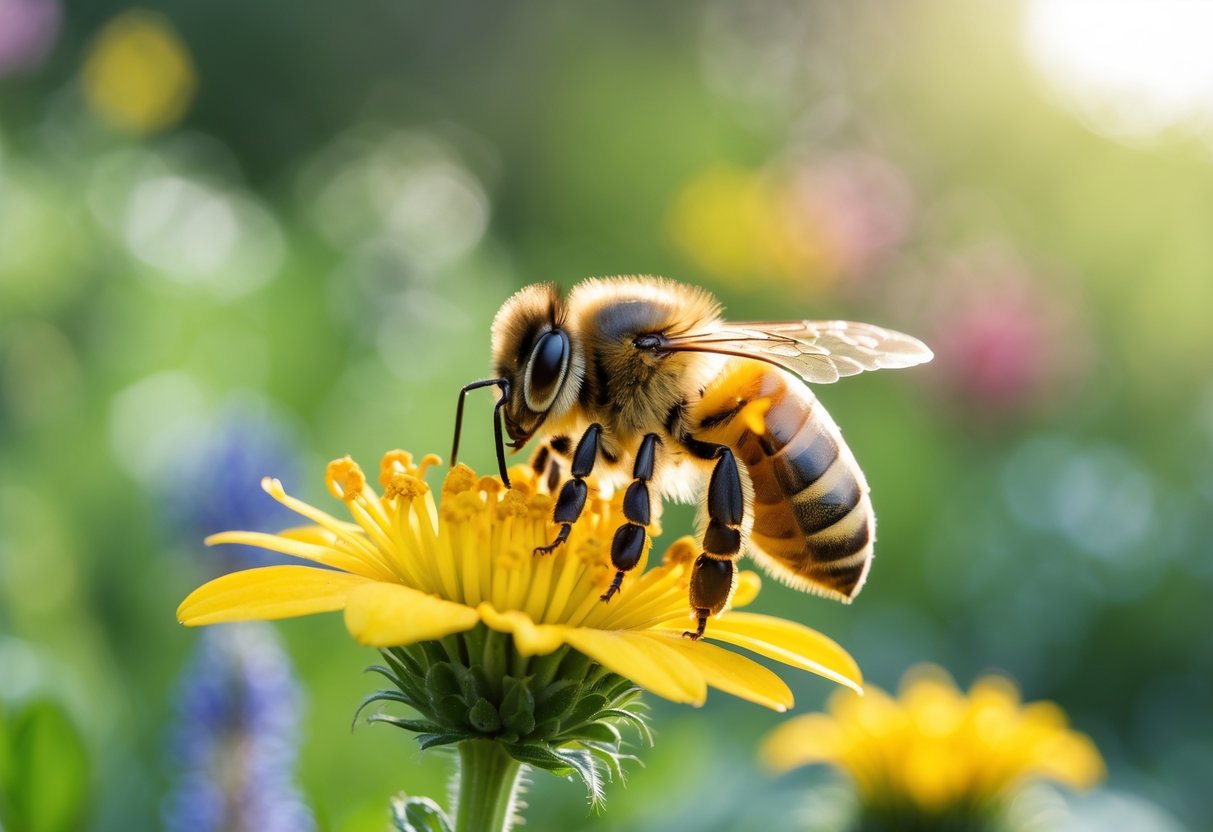
Most bees just want to mind their own business and won’t sting if you don’t bother them. How they react depends on how close you get, what type of bee it is, and the situation.
Some bees act more defensive, while others only sting if they feel really threatened.
Typical Bee Reactions to Humans
If you stay still and keep calm, most bees won’t sting you. Honey bees and bumblebees usually just fly around looking for flowers, not people.
They might land nearby or even on you, but if they feel safe, they don’t sting. Quick movements can freak them out and trigger a sting, though.
So, just standing still and keeping your cool really helps.
Defensive Behaviors of Different Bee Species
Honey bees use their sting to protect their hive. If you get too close to their home, they might see you as a threat.
When honey bees sting, the stinger stays behind, and unfortunately, that ends up killing the bee.
Bumblebees act less aggressive and rarely sting unless you squish them or mess with their nest. Their sting doesn’t detach, so technically they can sting more than once, but they’d rather not.
Most bees actually try to avoid humans and only sting if they feel they have no choice. If you know what kind of bee you’re dealing with, you get a better sense of what to expect.
Factors That Trigger Bee Stings Even Without Provocation
Sometimes, bees sting even if you’re not doing anything obvious. If you’re near their hive, they might act defensively to protect their colony.
Strong scents from perfumes or lotions can confuse or irritate bees, too.
Swatting at a bee or moving fast makes it feel under attack. Loud noises or vibrations close to a hive can set them off as well.
Bees also react to sudden shadows or pets that get too close.
To lower your chances of getting stung, skip strong smells, stay still around bees, and steer clear of their nests. If you let bees do their thing, they’ll usually let you do yours.
If you’re curious, there’s a detailed article on whether bees sting if you ignore them.
How to Avoid Bee Stings When Encountering Bees

When you run into bees, what you do and even what you wear can make a difference. Calm behavior, slow movements, and being aware of your surroundings all play a part.
Knowing a few details helps you avoid those awkward bee run-ins.
Best Practices for Remaining Calm Around Bees
If a bee gets close, the best thing to do is just stay calm and still. Swatting or flailing your arms makes bees nervous, and that’s when stings can happen.
Try gently moving away or just waiting for the bee to leave on its own.
Keep your breathing slow so you don’t make sudden moves. If a bee lands on you, don’t freak out—just brush it off gently or let it fly away.
Bees usually only sting if they feel threatened, so keeping your reactions chill really helps.
Common Situations That Can Lead to Unintentional Stings
Accidents happen—you might step on a bee or get too close to a hive without realizing it. Bees guard their homes, so never mess with a hive or nest.
Walking barefoot in grassy areas can be risky since bees might be resting there.
Moving quickly through flowers or fruit trees can surprise bees. Don’t run or make sudden moves when bees are around.
Even catching a bee in your clothes by accident can lead to a sting. If you pay attention to your surroundings, you can avoid most of these situations.
Clothing and Scents That Affect Bee Behavior
Bees really notice bright colors like yellow, orange, or anything with a floral print. If you stick to light or neutral clothes—think white, beige, or gentle pastels—you’ll blend in more and probably won’t catch their attention as much.
Perfumes, scented lotions, or even those strong-smelling soaps can bring bees your way. It’s usually better to go with unscented or barely-there scents if you’re planning to hang out outside.
You might also want to pick smooth fabrics over fuzzy or rough ones. Bees have a harder time hanging on to smoother clothes, so that’s a small win.
If you want more ideas on steering clear of bee stings, check out how to prevent bee stings.


