
So, you got stung by a bee and now you’re wondering—should you just leave it alone? Honestly, the most important thing you can do is remove the stinger right away. The longer it sits in your skin, the more venom gets in, and that just means extra pain and swelling. If you leave it, you’ll probably feel worse, and it’ll take longer to heal.

Bees usually sting because they’re scared or trying to protect themselves. Staying calm helps you avoid a sting in the first place.
But if you do get stung, acting fast really makes a difference. Let’s talk about what to do right after it happens and when you might need extra help.
Should You Leave a Bee Sting Alone?
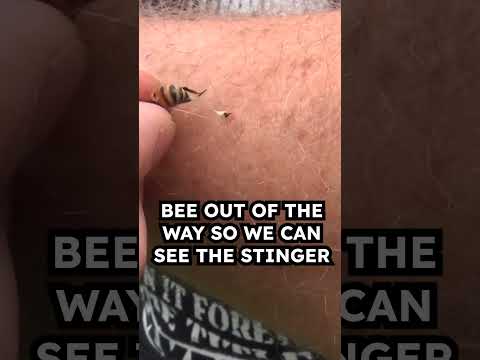
If a bee stings you, don’t wait around. The stinger keeps pumping venom into your skin, and that just ramps up the pain and swelling.
You also need to keep an eye out for signs of an allergic reaction. That can get serious fast.
Risks of Leaving the Stinger In
When a honey bee stings, it leaves the stinger behind. That stinger has a venom sac attached, and it keeps releasing venom into your skin.
The longer it sits there, the more it hurts and swells up. If you don’t get it out quickly, the area can turn red and warm.
Sometimes, the swelling gets worse and might even lead to an infection. To cut down on these risks, go ahead and scrape the stinger off gently with your fingernail or something flat.
Don’t squeeze it—squeezing can push in more venom. If you’re curious, there’s more info out there on how fast stinger removal helps.
Impact of Bee Venom on Your Body
Bee venom makes the sting site hurt, swell, and turn red. The venom has proteins that mess with your skin cells and trigger your immune system.
You’ll probably feel uncomfortable for a few hours, maybe a couple of days. Usually, you just get a bump that hurts or itches.
Sometimes, you’ll see a hard white spot in the middle. That’s pretty normal.
If you scratch or mess with it, you might slow down the healing. Ice and over-the-counter painkillers can help with swelling and pain.
There are plenty of guides if you want to dig deeper into venom effects and first aid.
Allergic Reactions and When to Seek Help
Some people react badly to bee venom, and that can get dangerous. Watch for hives, trouble breathing, swelling in your face or throat, dizziness, or a racing heartbeat.
If any of that happens, call emergency services right away. Allergic reactions can get worse really quickly and may need epinephrine or other meds.
Even if you’ve never had a bad reaction before, keep an eye on yourself for a few hours after a sting. If you start feeling worse or notice anything new, get medical help.
If you know you’re allergic, talk to a doctor about testing or carrying an epinephrine auto-injector. There’s more info out there for people with bee allergies and how to handle stings safely.
Immediate Steps and Aftercare

Acting quickly after a bee sting can really help with the pain and swelling. If you know how to get the stinger out, spot infection, and treat blisters, you’ll feel better a lot sooner.
How to Properly Remove a Bee Stinger
When a honey bee stings, it often leaves its barbed stinger in your skin. That stinger keeps pumping in bee venom and makes things hurt and swell.
Use something dull like a credit card or your fingernail to gently scrape it out. Don’t grab it with tweezers—squeezing can push in more venom.
Try to get it out as soon as you can. Once it’s gone, wash the area with soap and water.
Recognizing Signs of Infection
Sometimes, a bee sting lets bacteria in and causes infection.
Look out for:
- More redness or warmth around the sting
- Pus or fluid coming out
- Pain that gets worse after a few days
- Fever or swollen lymph nodes nearby
If you spot any of these, see a doctor. Getting treatment early can keep things from getting worse.
Addressing Bee Sting Blisters
Some people get blisters after a bee sting. These show up as small, fluid-filled bumps near where the sting happened.
Here’s how you can take care of blisters:
- Keep the spot clean and dry.
- Try not to pop the blister, since that can lead to infection.
- You can cover it with a sterile bandage if you want.
If a blister breaks, gently wash the area. Put on a little antibiotic ointment.
Reach out to a doctor if blisters get big, start hurting, or look infected.


