
Ever wonder why you get bitten way more than your friends? It’s not just bad luck. Things like the carbon dioxide you breathe out, your body heat, and even your clothes can make you a mosquito magnet.
Honestly, the best way to stop getting bitten so much is to grab some insect repellent, wear the right clothes, and steer clear of places where bugs hang out.
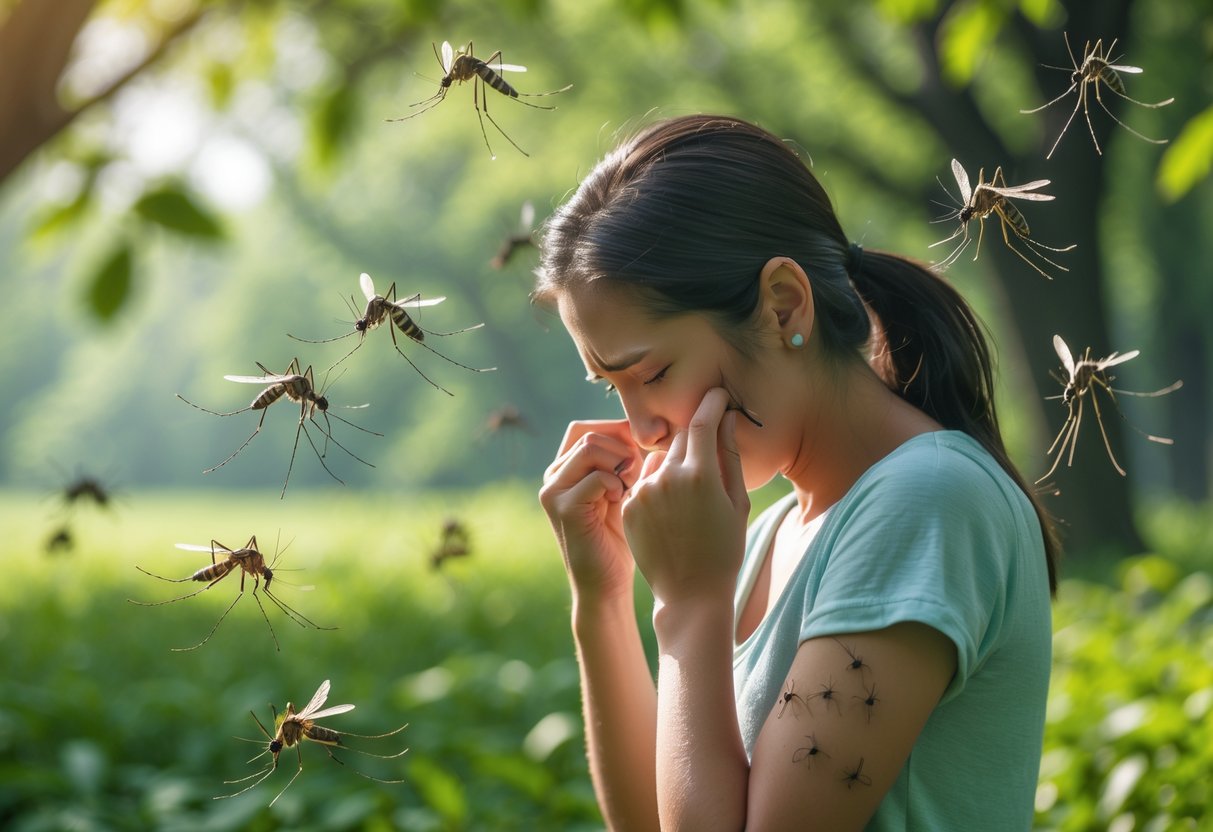
You might not realize it, but your habits and the environment around you really affect how many bites you get.
Take a little control over mosquitoes at home, and pick the right protection—trust me, it can make a big difference.
If you know what attracts bugs and how to keep them away, you’ll actually get to enjoy being outside without scratching all the time.
Let’s get into some easy steps you can use to cut down on bites and keep those annoying insects away.
Curious for more? Check out how to prevent mosquito bites and other insect bites.
Why You Get Bitten by Mosquitoes

Mosquitoes don’t just pick victims at random.
They use certain signals to track you down, and honestly, some people just seem to attract them more.
Different mosquito species have their own weird habits, too, which changes how and when they bite.
How Mosquitoes Find You
Mosquitoes rely on their sense of smell to hunt people.
They’re drawn to carbon dioxide—the stuff you breathe out—and can sense it from as far as 50 meters away.
Body heat and sweat make it even easier for them to find you.
Chemicals in sweat, like lactic acid and ammonia, put you on their radar.
You’ll notice more bites at dawn and dusk because that’s when mosquitoes get most active.
Some species go for dark clothes, others for bright ones, but generally, wearing light-colored clothes helps cut down on bites.
Factors That Make You More Attractive to Mosquitoes
Your body chemistry really matters here.
If you breathe out more carbon dioxide or sweat a lot, you’ll probably get bitten more.
Blood type plays a part, too.
Type O? Sorry, you’re about twice as likely to get bitten as someone with Type A.
Genetics, the bacteria on your skin, and even having a drink can make you more appealing to mosquitoes.
Wearing floral perfumes or scented soaps? Mosquitoes love that.
Go for unscented products if you want to keep them away.
Common Mosquito Species and Their Behaviors
Not all mosquitoes bite the same way or at the same time.
Aedes mosquitoes usually bite during the day and can spread diseases like dengue.
Anopheles mosquitoes show up mostly at night and can carry malaria.
Culex mosquitoes tend to bite in the evening and can spread West Nile virus.
If you know which mosquitoes live in your area, you can actually take better precautions.
Adjust your clothes and your plans based on these habits to dodge bites more effectively.
You can dive deeper into how mosquitoes find you and what makes you a target in this detailed guide.
Practical Strategies to Stop Getting Bitten

If you want to stop bug bites, you’ll need a mix of good habits, the right gear, and a little effort to keep your space clear of mosquito breeding spots.
Protect yourself with smart choices—pick the right repellent, wear clothes that actually block bites, and do a bit of home maintenance to keep mosquito numbers down.
Knowing how to avoid serious illnesses from these bugs? That’s just as important.
Choosing and Using Effective Insect Repellents
Go for insect repellents that actually work—look for DEET, icaridin (picaridin), or oil of lemon eucalyptus (PMD).
These ingredients give you strong, long-lasting protection.
DEET-based repellents are super common and effective, but you should always follow the label to avoid skin irritation.
If you want something more natural, citronella and geraniol exist, but honestly, they don’t last as long.
Citronella candles can help outside, but don’t count on them alone.
Cover all exposed skin with repellent, and apply it to your clothes if it’s allowed.
Don’t spray it right on your face—put some on your hands and rub it in gently.
If you’re sweating, swimming, or it’s been a few hours, reapply your repellent for the best results.
Best Clothing and Personal Habits
Wear long sleeves, pants, socks, and closed shoes to keep mosquitoes from biting right through your clothes.
Light-colored, loose clothing is best since dark colors attract more mosquitoes.
If you want extra protection, treat your clothes with permethrin—it repels and kills insects, but don’t put it on your skin.
Try to avoid outdoor activities during peak mosquito times, usually dawn and dusk.
After being in grassy or wooded areas, check yourself for ticks.
If you’re sleeping somewhere with lots of mosquitoes or mosquito-borne illnesses, use a mosquito net.
Skip the strong perfumes or scented lotions—mosquitoes love those.
Reducing Mosquito Breeding Around Your Home
Mosquitoes lay eggs in standing water, so you need to dump or empty any water sources near your home.
Check these spots every week:
- Flower pots and saucers
- Birdbaths
- Old tires
- Blocked gutters
- Pet water bowls
Fix any broken pipes or drains that collect water.
If you have areas of still water you can’t empty, use larvicides like mosquito dunks—they kill mosquito larvae before they turn into adults.
Keep your yard trimmed and clear out thick brush, since adult mosquitoes hide there.
Addressing Mosquito-Borne Illnesses
Some mosquitoes can spread serious diseases like Zika, malaria, dengue fever, and West Nile virus. You can lower your risk of infection by using insect repellent and wearing protective clothing.
If you’re heading to places where these illnesses are common, it’s smart to find out about local risks. Take extra precautions—honestly, it pays off.
Get vaccines if they’re available, like the one for yellow fever, before you go. Try to stay indoors during outbreaks, or at least use window and door screens.
If you notice a fever, rash, or body aches after mosquito exposure, don’t wait—see a doctor. Early treatment usually makes a big difference.


