
Ever stood near a bee and wondered, “If I just freeze, will it leave me alone?” You’re definitely not the only one with that question. The truth is, bees usually won’t sting if you stay calm and avoid sudden moves. They don’t go looking for trouble and mostly sting when they feel threatened.

So, if a bee lands on you or buzzes close, just stay still and breathe. Swatting or jerky movements can freak the bee out and make it think you’re dangerous. Honestly, this little tip has saved me a few times from unnecessary pain.
Will a Bee Sting You If You Stay Still?
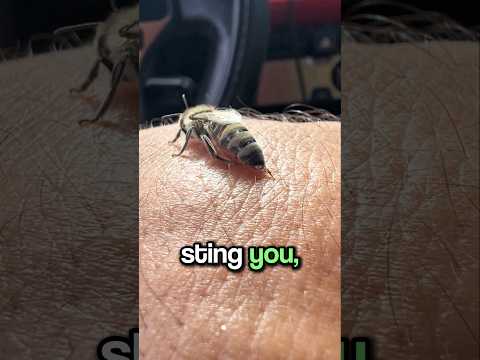
How you act around a bee really shapes what happens next. Bees don’t want to sting unless they feel like they have no other choice.
If you keep calm and skip the sudden movements, you’re way less likely to get stung.
Typical Bee Reactions to Human Behavior
Bees aren’t aggressive by nature. If you stay still, most bees just fly away.
They only sting to protect themselves or their hive. When you move slowly or act chill, bees barely notice you.
If you make quick, jerky moves, you can startle bees. When a bee lands on you, try not to touch or swat at it. It’ll usually just leave on its own.
Bees save their sting for emergencies, so your calmness really does help.
Why Movement Triggers Bee Stings
Bees notice movement right away. Fast actions, like swatting or running, make you look like a threat.
These actions can trigger pheromones—basically bee alarm signals. Other bees pick up on this and might join in.
Sudden moves can actually raise your risk of getting stung. If you keep your movements slow and relaxed, you help the bee decide you’re no big deal.
Standing still really does make a difference.
| Movement Type | Bee Reaction | Sting Risk |
|---|---|---|
| Sudden | Defensive, alert others | High |
| Slow/Still | Calm, likely to fly away | Low |
Species Differences in Sting Risk
Not all bees act the same way. Honey bees usually sting only if they feel directly threatened.
Their stinger has barbs, so they die after stinging once. That’s a pretty big reason for them to avoid stinging unless they really have to.
Other insects, like yellow jackets or wasps, can sting again and again and tend to be more aggressive. Knowing that honey bees are less likely to sting if you stay still helps you stay safer outside.
Avoid sudden moves no matter what kind of bee or wasp you see. It’s just the safest bet.
You can dig deeper into this with bee stings and movement.
Smart Ways to Avoid Getting Stung

Knowing how to act around bees can seriously cut your chances of getting stung. Staying calm and moving slowly really matter.
If you do get stung, treating it quickly can help with pain and swelling.
How to Act Around a Bee or Swarm
When you spot a bee or a bunch of them, stay calm. Don’t make sudden moves.
Bees react fast to quick gestures, which they see as threats. Move away slowly—no flailing or swatting.
Skip the bright colors and strong perfumes. Bees love those, and they might come closer out of curiosity.
Stick to paths if you can and avoid stepping near flowers or hives. It’s just easier to steer clear of trouble.
If you block a bee’s flight path, especially near a hive, you might make them nervous. Give bees some space and don’t stand between them and their home.
A little respect goes a long way.
What to Do if a Bee Lands on You
If a bee lands on you, try not to panic. Don’t swat at it.
Stay still and wait—it’ll probably fly off once it figures out you’re not a flower. Sometimes, bees just want to check out a scent.
If you really need to get the bee off, gently blow on it or use a piece of paper to brush it away. Keep your motions slow and soft.
Sudden moves can make the bee feel trapped and more likely to sting. Staying relaxed is your best bet.
Most bees that land on people are honey bees, and they don’t want to sting unless they have to. Your stillness gives them no reason to attack.
Responding to a Bee Sting
If a bee stings you, grab a flat object like a credit card and scrape the stinger out as soon as you can. Try not to squeeze it with your fingers or use tweezers—doing that might actually push more venom in and make it hurt worse.
Go ahead and wash the spot with soap and water. That helps keep infection away. I usually grab some ice or a cold pack and press it on the sting for a bit; it really helps with swelling and takes the edge off the pain.
You can take an over-the-counter pain reliever or antihistamine if it gets itchy or sore. That usually does the trick for most folks.
Keep an eye out for any signs of a bad allergic reaction—like trouble breathing, swelling spreading past the sting, or feeling dizzy. If you notice any of that, don’t wait—call for medical help right away.


