
Ever had a squirrel dart right up to you out of nowhere? It’s a little startling, isn’t it? Usually, the squirrel wants food, feels curious, or has figured out that humans sometimes hand out snacks.
Most of the time, if a squirrel comes up to you, it’s because it smells food or expects you to offer something.

Try staying calm and still, just to see what the squirrel does next. Let’s break down why squirrels approach people and what you can do if one gets a little too close for comfort.
Core Reasons Squirrels Approach Humans
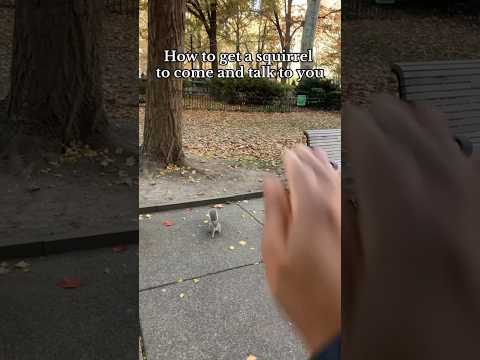
Squirrels usually come near you for pretty simple reasons. They want food, feel curious, have gotten used to people, or they’re young and on their own.
Each of these reasons changes how the squirrel acts—and what you should probably do.
Seeking Food and Handouts
If you’re eating or holding nuts, a squirrel might wander over looking for a snack. Gray squirrels figure out quickly where food comes from.
You’ll probably notice them staring, inching closer, or just waiting for crumbs nearby. They love nuts, seeds, and fruit, but they’ll take bread or even chips if that’s all you have.
Feeding squirrels tends to become a habit for both you and them. When people feed them regularly, squirrels start expecting it and get pretty bold.
If you do decide to feed one, stick with plain, unsalted nuts or a bit of fruit. Processed or sugary foods aren’t good for them.
Curiosity and Exploration
Squirrels are just naturally nosy. They’ll check out new things, sounds, or people in their space.
You might see one circling you, climbing up a tree, or poking its nose around your bag. At first, they can be a bit cautious.
Curiosity gets stronger in places where people act calm and don’t pose any threat. If you stand still and quiet, a squirrel might come closer just to see what’s up.
Watch for tail flicks, upright posture, or twitchy ears. Those signs mean the squirrel’s on alert but interested.
If it relaxes, it probably feels safe enough to keep investigating.
Habituation to Humans
Squirrels that live in parks or busy neighborhoods often get used to people. When that happens, they stop seeing humans as dangerous.
You’ll notice these squirrels barely flinch at sudden movement and sometimes come right up to you.
They act calm because they’ve had lots of safe encounters with people. Some even take treats from your hand or hang out near benches, just waiting.
But when squirrels lose their natural fear, they might get into trouble with cars or pets. It’s better to give them some space so they stay cautious.
Juvenile Squirrels and Orphaned Behavior
Young squirrels, especially babies, tend to be braver (or just more clueless) than adults. If a baby squirrel comes up to you, it might be hungry, cold, or just not know any better.
Sometimes, orphaned babies seek out people for warmth or food because they don’t have a mom around. You might spot one sitting on the ground, making weak noises, or even climbing onto your shoe.
If you see a baby squirrel that looks hurt or too young to be alone, it’s best to call a wildlife rehabilitator. Don’t try to care for it yourself.
If the little guy seems healthy, just leave it be—the mother usually comes back. Only step in if it looks injured or in trouble.
What to Do If a Squirrel Comes Up to You

Stay calm, keep your distance, and move slowly if you want to leave. Don’t reach out, and pay attention to how the squirrel acts—does it look healthy or sick?
How to Respond Safely
Just stand still and take a breath. Sudden moves might spook the squirrel or make it act defensively.
If the squirrel gets within arm’s reach, freeze for a second, then slowly back away—maybe a step every couple of seconds.
If the squirrel won’t leave, make a loud noise. Clap, stomp, or say something to startle it, but don’t throw things or chase after it.
Got food? Put it away and close your hands so the squirrel can’t grab it.
If one actually climbs on you, try to stay calm and gently brush it off. Wash any skin it touched with soap and water afterward.
If the squirrel won’t leave or seems off, call local animal control.
Signs of Illness or Injury
Watch for weird behaviors—wobbling, drooling, not reacting to you, glassy eyes, or obvious wounds. Healthy squirrels run away fast, eat normally, and stay alert.
If you spot one that looks weak or unsteady, don’t touch it. Keep kids and pets away, and call a wildlife rehabilitator or animal control.
If you see bleeding or open wounds, make a note of where the squirrel is and don’t get too close.
If the squirrel’s alive but injured, you could put a small box with air holes nearby to contain it—just don’t force it inside. Give the rehabilitator as much info as you can: where, when, and what you saw.
Why Squirrels Stare at You
Squirrels stare to size you up and look for food clues. If you’re holding food or eating, a squirrel might lock eyes on you, trying to figure out if it’s safe to come closer.
They also stare to watch for predators or warn other squirrels. If one stares and edges toward you, it’s just testing to see if you’ll move or stay put.
If you make eye contact and then step away, sometimes the squirrel follows for a second, hoping for dropped food.
Young squirrels stare a lot—they’re still learning and aren’t as scared of people. In areas where people feed wildlife, squirrels start expecting handouts and watch even more closely.
Risks of Squirrel Bites
Squirrels can bite hard enough to break your skin. These bites might cause infections or even spread diseases.
If a squirrel nips you while snatching food, wash the wound right away. Use soap and water, and scrub for several minutes.
Go see a doctor for deep bites or if you can’t stop the bleeding. If you haven’t had a tetanus shot in the past 10 years, mention that.
Let your healthcare provider know that a wild rodent bit you. Did the squirrel act strangely—like showing aggression, drooling a lot, or moving oddly? If so, tell health officials immediately.
Report any squirrel bite to your local health or animal control office. They can give advice on what to do next.
Jot down how the squirrel behaved, and note the exact time and place it happened. That info helps doctors and public health folks keep good records.


