
Ever watched a squirrel flick its tail and wondered what’s going on? Squirrels use those tail flicks to send quick signals—about danger, emotions, or even who’s nearby.
If you pay attention to the speed, direction, and what’s happening around the squirrel, you’ll start to notice the differences.

A tail flick can warn about predators, show irritation, or act as a friendly greeting, but it all depends on the situation. Watch how fast the tail moves and where the squirrel’s looking. Stick around and you’ll pick up how to spot alarm flicks versus social ones, plus how squirrels use tail flicks along with sounds and body language to get their point across.
Why Do Squirrels Always Flick Their Tails?
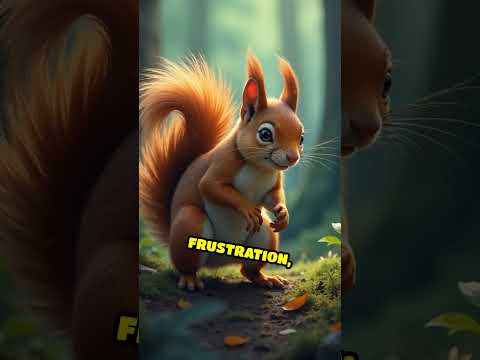
You’ll see quick tail flicks all the time, but they can mean different things depending on what’s happening. Watch the speed, the direction, and the squirrel’s body language to figure out if it’s warning others, showing emotion, or dealing with a rival.
Alarm Signals and Predator Warnings
When a squirrel spots a hawk, cat, or dog, it usually lets out a loud call and snaps its tail in sharp flicks. The tail flicks act like a flag, making it easier for other squirrels to spot the one raising the alarm—even if there are a bunch of branches in the way.
Fast, repeated flicks? That’s usually a sign that something’s really wrong. Slower, rhythmic flicks might mean the threat isn’t as urgent.
The tail’s direction gives you clues too. If the squirrel faces the ground while flicking, it probably saw danger on the forest floor. If it suddenly freezes and stops flicking, maybe there’s a hawk overhead and it’s trying to stay hidden.
If you want to dive deeper into how tail flicks work as alarms, check out this explanation of tail signaling in squirrel communication (https://nature-mentor.com/squirrel-tails/).
Emotional Expression and Frustration
Squirrels use their tails to show how they feel, and you can actually read those signals. Short, jittery twitches often mean stress or annoyance—maybe the squirrel’s fighting with a tough food shell or got spooked by someone walking by.
Bigger, slower swishes? That’s usually a sign the squirrel feels calm or just mildly curious, like when it’s foraging near other squirrels.
If you watch a squirrel get frustrated with a locked feeder or after a failed food search, you’ll notice the tail pattern change. Quick, repeated twitches show rising frustration, while softer swishes mean the squirrel’s starting to relax.
These little signals help you guess a squirrel’s mood and what it might do next.
Territorial Displays and Rival Encounters
Tail flicking is a big deal when squirrels argue over food, nests, or territory. Red squirrels, for example, will flick their tails sharply, stand tall, and chatter loudly to warn rivals to back off.
Gray squirrels, which are a bit more social, use less intense flicks during close encounters. Sometimes it’s just part of a quick dominance display or a greeting.
Look for other behaviors that go with tail flicking, like chasing or boxing. The whole combination tells you if the squirrel’s defending territory or just giving a mild warning to another squirrel.
How Squirrels Use Tail Flicking to Communicate
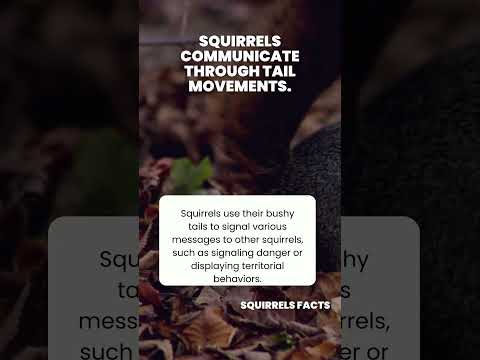
You can actually learn a lot just by watching a squirrel’s tail. Tail flicks give away clues about danger, territory, and even a squirrel’s social mood—if you pay attention to the pace, direction, and how the rest of the body moves.
Squirrel Communication Through Tail Movements
Squirrels use tail movements as visual signals, adding detail to their vocal calls. Quick, sharp flicks usually mean alarm, and you’ll see the squirrel facing the threat or pointing its body right at it.
Slower, easygoing swishes tend to mean the squirrel feels calm or is showing friendly intent.
Watch the rhythm and speed. Rapid, repeated flicks with raised fur mean the squirrel’s on high alert. If you hear chattering or a loud call with a tail flick, there’s probably a predator nearby.
If the squirrel’s body looks tense and it backs away while flicking, you’re probably seeing defensive behavior.
Direction matters too. Tail flicks aimed at other squirrels help them spot each other in the trees or brush. That visual cue lets nearby squirrels react faster than sound alone.
Differences Across Squirrel Species
Different squirrel species flick their tails in their own ways. Red squirrels, which are territorial, give sharp, aggressive flicks to warn rivals and protect their food stashes. You’ll see these flicks near food caches or nests, and they often come with chasing.
Gray squirrels, which tend to be more social, use gentler tail signals. Their flicks are more about quick disputes or figuring out who’s boss, without getting into serious fights.
The setting matters too. Squirrels that live in trees use big, visible tail flicks that stand out among the branches. Ground squirrels mix tail flicks with calls that travel across open spaces.
So, next time you see a squirrel, pay attention to what’s going on around it. The meaning behind the tail flick might be clearer than you think.
Squirrel Behavior in Social and Mating Contexts
When squirrels court, their tails really get involved. Males usually quiver or tremble their tails as they move closer to a female.
Those tail movements grab attention and sometimes spark wild chases through the trees. You can almost feel the excitement in the air when that happens.
If you watch squirrels meeting up, you’ll notice gentle tail waves during calm greetings—especially between those that already know each other. These waves move slower, and the squirrels keep a relaxed posture, with fur lying flat.
But things change when there’s tension. Squirrels show low-level aggression with quick, sharp tail flicks, especially when they’re jostling over space or food.
Tail use can even hint at social rank. Dominant squirrels might flick their tails to claim first dibs at a feeding spot.
Subordinate squirrels usually back off or let out a submissive call instead of returning an aggressive flick. If you stick around and watch their repeated run-ins, you’ll start to pick up on each squirrel’s go-to signals.


