
Grey squirrels might seem like cute and playful creatures, but they often get a bad reputation. Yes, grey squirrels are considered vermin in many areas due to their destructive behaviors and the problems they can cause for gardens and wildlife. Their habits can lead to significant damage to trees, gardens, and even homes.
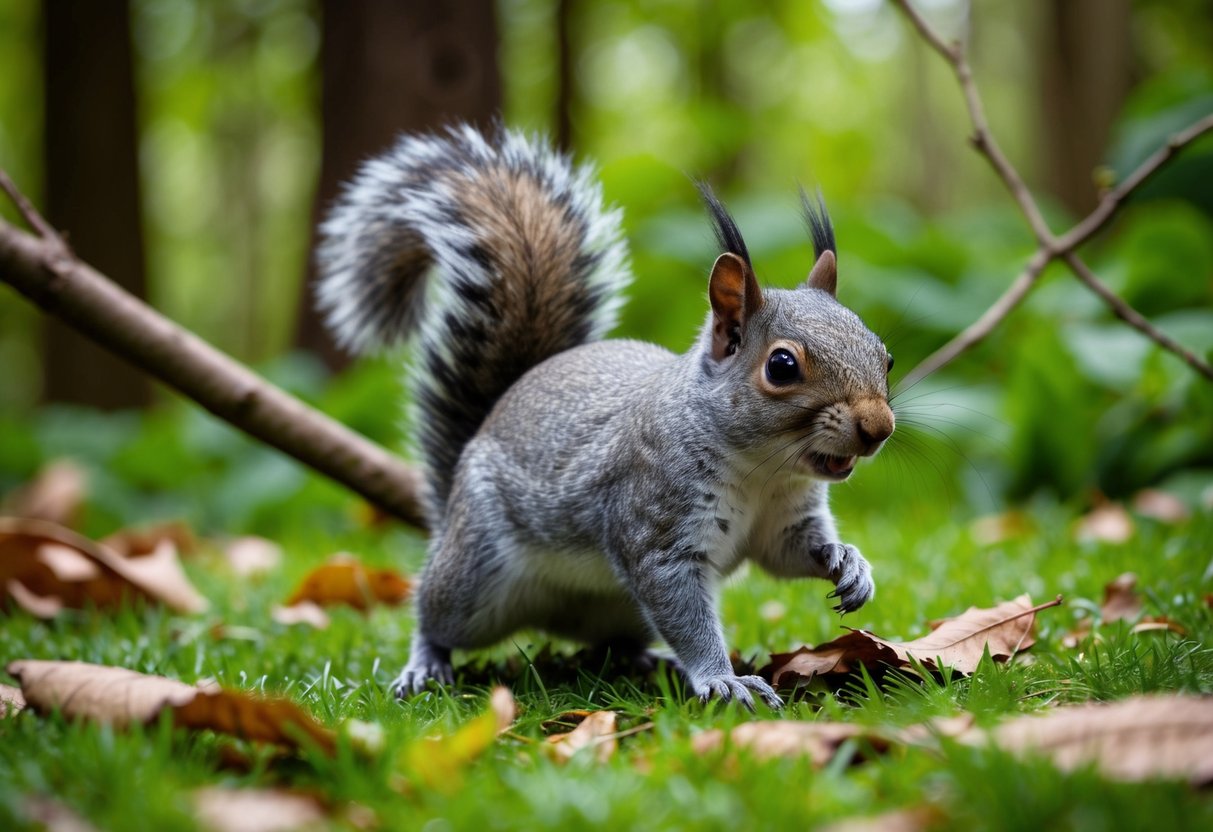
As you explore this topic, you’ll learn more about the effects grey squirrels have on local ecosystems. They can be notorious for raiding bird nests and damaging plants, making them a concern for many homeowners and gardeners. Understanding whether these furry critters are truly pests can help you manage their impact in your space.
Join us as we delve deeper into the debate over grey squirrels as vermin. You’ll discover insights into their behavior, the legal aspects of managing them, and tips for protecting your property from these lively invaders.
Understanding Grey Squirrels
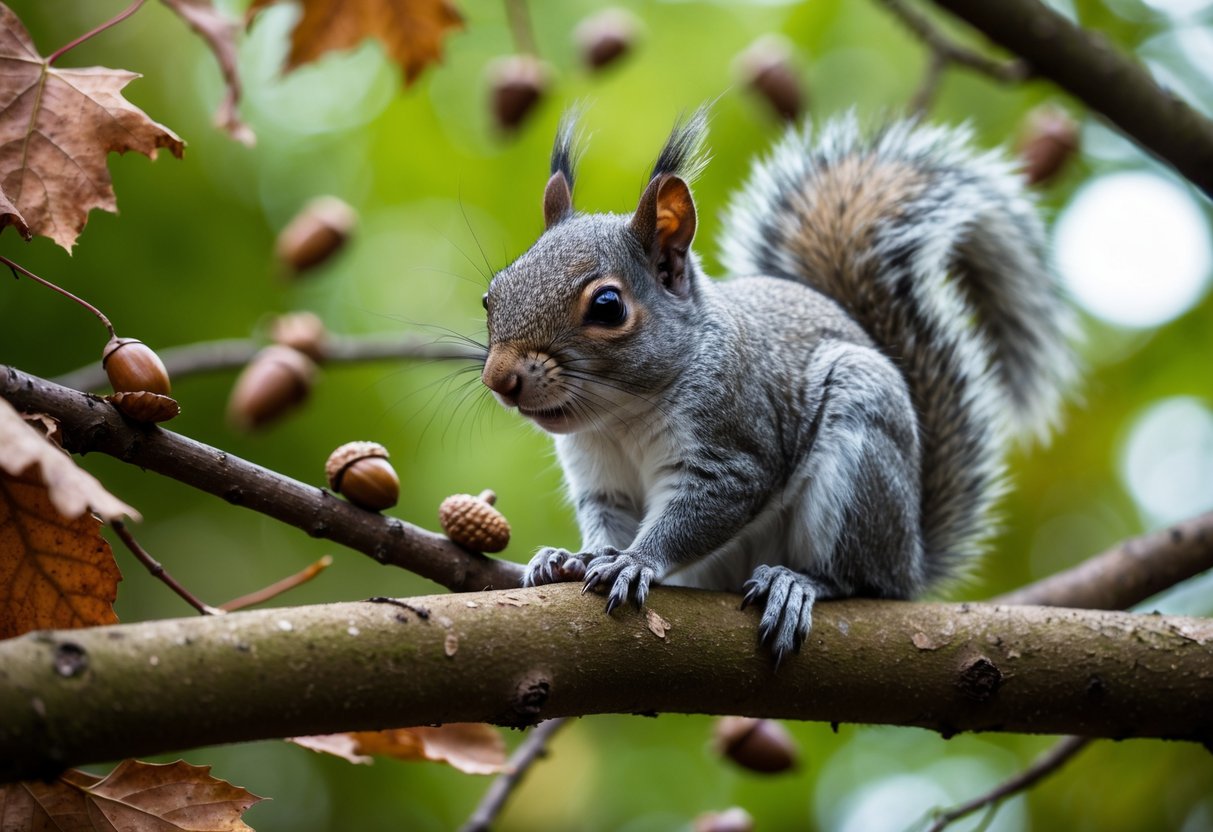
Grey squirrels are fascinating creatures that play a significant role in their environments. They are known for their adaptable nature and can be found in various regions. Understanding their characteristics and habits can help you appreciate their impact on local ecosystems.
Species Overview
The grey squirrel, or Sciurus carolinensis, is a type of rodent native to North America. It was introduced to Britain in the 19th and 20th centuries. These squirrels are easily recognized by their bushy tails and often grey fur, although the color can vary.
Adult grey squirrels typically measure between 15 to 20 inches long and weigh about 1.25 pounds. They are known to be hoarders, often storing nuts and seeds for later use. This behavior is crucial for their survival during winter months when food is scarce.
Habitat and Distribution
You can find grey squirrels in urban areas, forests, and parks across North America and Britain. They thrive in habitats with plenty of trees, which provide shelter and food sources.
Grey squirrels prefer deciduous forests where they can forage for nuts, seeds, and fruits. They build nests in tree hollows or make dreys—ball-like nests made of twigs and leaves. Their ability to adapt to various environments has contributed to their widespread presence.
Impact on Ecosystems
Grey squirrels can have significant effects on local ecosystems. Their feeding habits can lead to competition with native species, especially the native red squirrel. As grey squirrels thrive, they can decrease the population of red squirrels by competing for food and habitat.
Moreover, they play a role in forest regeneration. As they bury nuts, some of these seeds can grow into new trees, benefiting the environment. However, it’s essential to maintain a balance in wildlife populations to ensure that native species can survive alongside the grey squirrel.
Grey Squirrels and Human Interactions
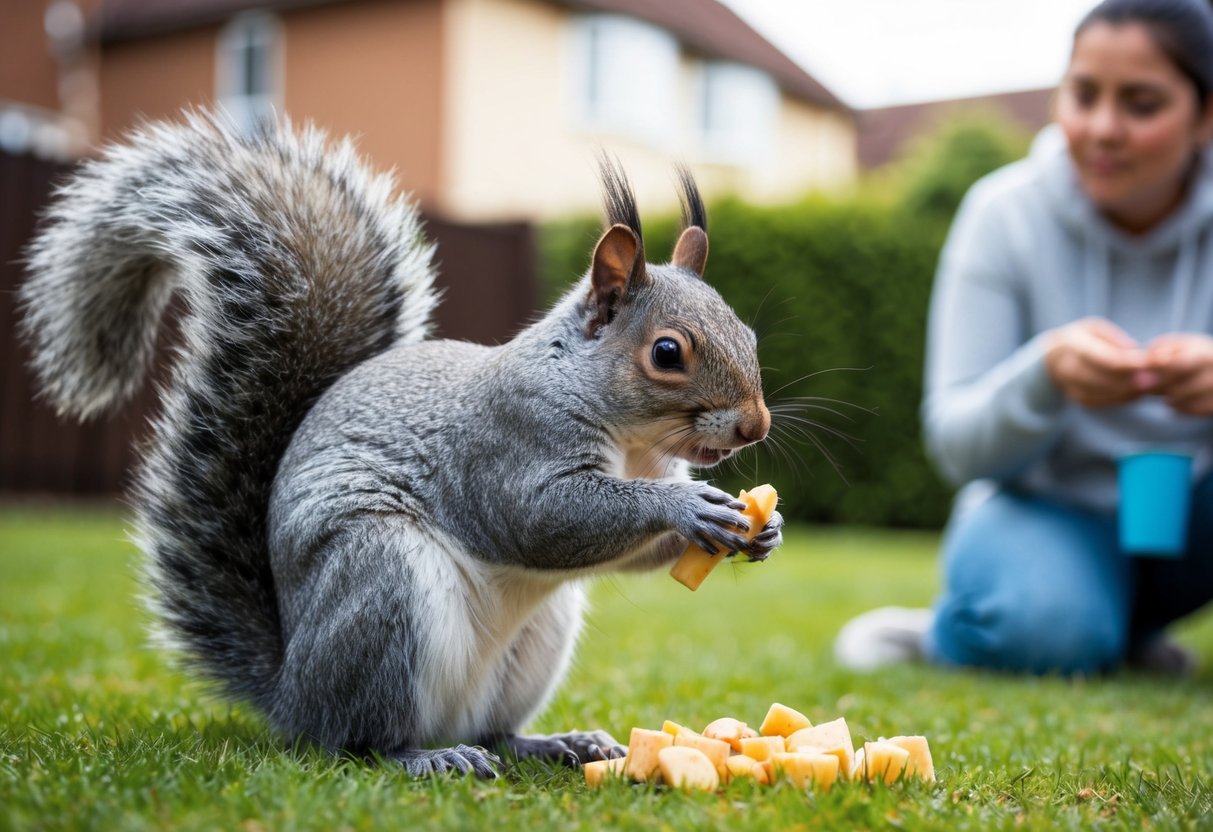
Grey squirrels often find themselves in conflict with humans. Their behaviors and activities can lead to problems in gardens and homes. Understanding how these squirrels interact with people is important for managing their presence.
As Pests
Many people see grey squirrels as pests due to their tendency to raid gardens. They often dig up bulbs and nuts, causing damage to plants. This can be frustrating for homeowners and gardeners alike.
Squirrels are also known to chew on wires and insulation in attics, which can lead to costly repairs. Additionally, they can transmit diseases, such as salmonella, though the risk is relatively low compared to other pests.
In some cases, they can be loud and disruptive, contributing to their reputation as a nuisance. It’s essential to learn how to coexist with them or implement effective pest control.
Legal Status
In many regions, grey squirrels are classified as vermin. This classification allows for various pest control measures to be taken. In the UK, for example, it is illegal to keep, import, or release grey squirrels without a special license.
This legal status is mainly due to their impact on native wildlife. Grey squirrels have been linked to the decline of red squirrel populations and some bird species. Thus, local laws often encourage the humane control of their numbers in certain areas.
It’s important to familiarize yourself with local laws regarding grey squirrels in your area to avoid any legal issues.
Control Measures
Effective control measures for grey squirrels depend on the situation. You can consider both humane and traditional methods.
Humane methods include using deterrents like noise devices or introducing natural predators’ scents. You might also plant squirrel-resistant plants to reduce damage to your garden.
For those facing severe issues, trapping may be an option. Always check your local regulations before using traps. In some cases, professional pest control services can provide assessment and targeted treatment plans to manage your squirrel problems safely.
By understanding these interactions, you can better appreciate the role grey squirrels play in your life and environment.


