
Ever notice how squirrels are almost always flicking or shaking their tails? They’re not just fidgety—those tail movements send quick signals. Squirrels warn others about danger, claim their territory, attract mates, and even keep their balance when leaping through the trees. That little tail language really helps them survive and move around so smoothly.

When you watch closely, you’ll see some shakes mean alarm, others show curiosity, and sometimes it’s just about balance or warmth. Speed and context matter—a fast flick usually means danger, while a slow quiver could be a social or mating signal.
Why Do Squirrels Always Shake Their Tails?
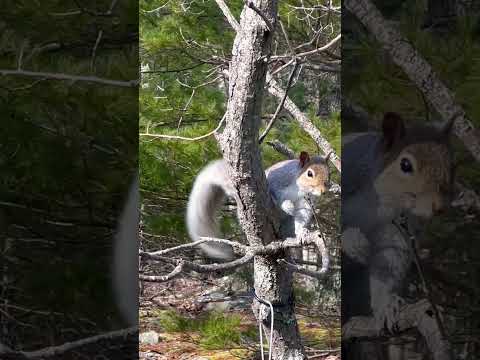
Squirrels use their tails in a bunch of ways: warning about danger, marking space, and showing interest during mating. If you pay attention to how fast and how often they flick their tails, you can figure out what they’re trying to say.
Alarm Communication and Predator Warnings
When you spot rapid, high-frequency tail flicks, the squirrel is probably sounding the alarm. Fast shaking grabs attention up in the trees and lets nearby squirrels know something’s up. Hawks or foxes often trigger this move; the tail flashes like a warning flag.
Sometimes, squirrels flick their tails to confuse predators. Abrupt tail motion might distract or even throw off a snake’s heat sensors. The way the tail moves—whether in short bursts or longer quivers—can clue you in on how serious the threat is.
Check out the squirrel’s posture, too. If you see a stiff, fast-flicking tail with raised fur, that’s a sign of high alert. A slow, low flick with a relaxed body usually means the squirrel’s only a little on edge.
Territorial Displays and Aggression
Squirrels shake their tails a lot during disputes over food or space. When one squirrel gets close to another’s stash or nest, tail flicking turns into a threat display. It’s like the squirrel is saying, “Back off or else.”
These tail moves aren’t random. Squirrels add chattering, lunges, and posturing to get their point across. If the tail looks puffed and the flicks are sharp, the squirrel’s trying to look bigger and more menacing.
This kind of signaling helps settle most arguments before they turn into fights. The tail says a lot about who owns what, and you can often tell if a scuffle is coming just by watching the tail and body language.
Attracting Mates and Social Interaction
During mating season, tail shaking gets a whole new vibe. Males quiver and flick their tails in a kind of rhythm to catch a female’s eye. These movements show off their fitness and readiness to mate.
You’ll also see tail shaking in friendly or neutral situations. Squirrels use lighter, slower flicks when they’re getting along. Family members or partners might use subtle tail waves while eating together or sharing a tree.
Want to read the mood? Watch for gentle, repeated tail flicks with a relaxed posture. That usually means the squirrel feels calm and social, not threatened or aggressive.
Understanding Squirrel Tail Movements in Daily Life

Tail flicks tell you a lot—about mood, balance during jumps, and even how squirrels handle heat or protect themselves. If you watch for the speed of the flick, how the tail’s held, and whether the squirrel’s moving or still, you’ll start to get the message.
Emotional Signals and Curiosity
Squirrels use tail flicks to send quick messages. A rapid, high flick almost always means alarm. When a squirrel holds its tail stiff and flicks it fast, it senses danger and wants to make sure others notice.
Slow quivering or gentle waving? That’s more about curiosity or mild agitation. If a squirrel pauses, looks at you, and slowly waves its tail, it’s probably just deciding if you’re a threat or not.
Tail position gives away confidence, too. A raised, fluffy tail often means the squirrel feels territorial or defensive. If the tail hangs low and loose, the squirrel probably feels safe.
Balance and Navigational Functions
The tail works like a counterweight when squirrels run along skinny branches or make wild jumps. You’ll see the tail spread out and angle during a leap; that helps them steer and stay stable in midair.
When they land, squirrels use their tails to shift balance and soften the impact. Quick tail flicks while running along a fence or wire help them catch themselves if they slip a little.
Think of the tail as a steering rudder. You’ll notice it moves way more when the route gets tricky, compared to when the squirrel’s just scampering on the ground.
Temperature Regulation and Protection
Squirrels rely on their tails to manage body temperature and keep themselves safe. On hot days, you might notice a squirrel holding its tail away from its body—kind of funny, but it helps them cool off by exposing blood vessels.
When the weather turns cold or they’re tucked inside a nest, squirrels wrap their tails around themselves like a fluffy blanket. That trick traps warmth and even protects their feet and noses from biting wind.
Their tails come in handy for more than just temperature, too. Sometimes, you’ll catch a squirrel draping its tail over its back or face. They do this to block out rain, harsh sunlight, or just to keep sensitive skin from getting too chilly.


