
Ever heard a squirrel let out a sharp, high-pitched cry and wondered what’s going on? Squirrels cry for a bunch of reasons—sometimes to warn others, sometimes because they’re scared or hurt, and other times it’s all about social or mating signals.

If you get close or notice frantic squirrel noises, you might want to know what’s up. This post will dig into the common reasons behind those sounds, how to spot an injured animal, and when you should actually step in.
Let’s figure out how to read their calls, watch their body language, and decide what to do if you spot a squirrel in trouble.
Reasons Squirrels Cry: Communication, Distress, and Survival

Squirrels use their cries for a lot: warning about danger, asking for help, defending their turf, or signaling hunger and mating. You’ll notice the pitch and pattern change depending on what’s happening.
Distress Calls and Their Meanings
When a squirrel gets hurt or stuck, you might hear a sharp, plaintive cry that sounds like it’s in pain. These cries often come with frantic movements—darting along branches or flicking their tail—to get the attention of nearby adults.
Young squirrels get really loud and repetitive if they’re separated from the nest. Their calls push mothers to search or come back. Adults sometimes make a softer, whining muk-muk sound when they’re injured or stressed.
If you see a squirrel making these noises, check for injuries, limping, or if it can’t climb. If it’s obviously wounded or orphaned, reach out to a local wildlife rehabilitator.
Alarm Calls and Predator Warnings
When a squirrel spots a predator—think hawk, cat, or fox—it lets out short, sharp barks and quaa-like notes. These alarm calls come fast and often, alerting other squirrels and maybe even confusing the predator.
You’ll probably see the squirrel stand upright, tail flicking, and its head darting around as it calls. The calls shift depending on the threat: high-pitched seets for aerial predators, lower chattery barks for those on the ground.
If you hear a bunch of quick calls, there’s a good chance a predator is close. These sounds help other squirrels hide, run for cover, or even gang up on the threat.
Territorial Disputes and Aggression
Squirrels can get pretty loud when defending food or nests. You’ll hear harsh chattering and rapid barking, especially in spring and fall when resources and mates matter more.
Often, you’ll see two squirrels chasing, pausing to bark, then going at it again. The chattering mixes sharp quaa or kuk notes with tail slaps to show who’s boss.
If a squirrel gets vocal near your bird feeder, it’s probably staking a claim. Spacing out feeders can cut down on these noisy disputes. Raised fur and stiff posture? That’s your sign things might get physical.
Hunger and Mating Cries
Hunger and mating bring out their own set of noises. Hungry babies whine and cry in a high, repetitive way to get their mother’s attention. You might hear these calls from tree hollows or nests, especially early or late in the day.
Mating calls are all over the place. Females sometimes give short, high-pitched sounds when they’re ready, while males get noisy with chases and sharp barks. During mating season, you’ll spot zig-zag running, lots of barking, and quick quaa-like notes as males chase females.
If you hear begging near a nest, the young probably need care. If you catch chase calls in spring, it’s likely just romance in the air.
Interpreting Squirrel Behavior and When to Help
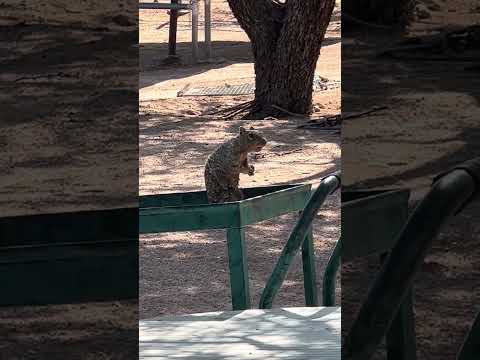
Knowing the difference between squirrel calls and reading their body language helps you figure out if a wild animal needs help. Pay attention to the sound, how the squirrel moves, and what’s going on around it.
Differences in Squirrel Sounds
Squirrels make all kinds of noises, each with its own meaning. A high-pitched, repeated cry or whine usually means distress or a baby that’s lost. Short, sharp barks and fast chattering warn others about predators or mark territory.
Low, soft chirps show up during social or mating moments. Flying squirrels stay quieter at night, but you might hear them squeak softly if they’re scared.
Listen for patterns and context. Notice how often the sound repeats and whether other squirrels react. If you’re unsure, a quick recording or video can help an expert later.
Don’t assume every call means the same thing—combine what you hear with what you see for a better guess.
Observing Body Language and Environmental Stress
Watch for tail flicks, hunched posture, or freezing. A flicking tail usually means alarm. If a squirrel crouches and breathes fast, it might be hurt or very stressed.
Check for wounds, limping, or blood before getting close. The setting matters too. A squirrel crying near a busy road or cat is probably in real danger.
A baby under low branches at dusk might just be misplaced; mothers sometimes leave them briefly. Flying squirrels, who are active at night, can get confused by bright lights.
Keep pets and people away while you watch from a distance.
When to Contact a Wildlife Rehabilitator
Reach out to a wildlife rehabilitator if you spot an animal that’s injured, can’t move, or is obviously orphaned.
Some signs that an animal needs help? You might notice open wounds, blood, broken limbs, or maybe it can’t climb. Sometimes you’ll hear persistent high-pitched crying and see no adult around—definitely a red flag.
If a squirrel looks dehydrated, cold, or just plain sluggish, it’s time to get help.
Found a healthy-looking baby during the day and no adults have shown up after an hour? It’s probably best to call a rehabilitator and ask what to do.
Don’t feed or give water unless a professional tells you to. It can actually cause more harm than good.
Stumbled across a nocturnal flying squirrel on the ground? Try putting a dark, ventilated box nearby, then call a rehabilitator.
You can use local wildlife hotlines or check with animal control for the nearest licensed rehabilitator.


