
Ever hear that sharp, chattering bark from a squirrel and wonder what’s up? When a squirrel barks, it’s usually sounding the alarm—warning other squirrels about danger, predators, or sometimes just trying to scare off whatever’s lurking nearby.

Different barks can tip you off about the kind of danger a squirrel senses. Some species go for sharper calls, others keep things softer.
Stick around: we’ll break down what these sounds mean, the behavior behind them, and which squirrels are the real chatterboxes in your neighborhood.
What Does It Mean When Squirrels Bark?

Squirrels bark to warn of danger, stake out territory, or show they’re agitated. That same sharp call can mean different things depending on who’s around and what’s happening.
The Purpose of Squirrel Barking
Squirrels mostly use barks as alarm calls. When you hear a kuk-like bark, the squirrel’s likely trying to alert others that a predator—or maybe a nosy human—is close by.
That bark can also tell the predator, “I see you,” which sometimes makes the hunter give up the element of surprise.
They use barks to mark territory too. If a squirrel defends its food stash or nest, it’ll let out repeated barks to keep other squirrels away.
Mating and dominance squabbles can trigger even harsher, more aggressive barks. Listen for how intense or repetitive the noise is—those details matter.
Common Triggers and Contexts for Barking
You’ll usually hear barking when a squirrel spots a hawk, cat, dog, or even a person. Aerial threats, like hawks, cause quick, high-pitched chirps or seets, while ground threats get harsher barks.
Ground squirrels sometimes whistle or chatter instead, especially if a snake shows up.
Territorial fights, food competition, and sudden loud noises can all set off barking too. Young squirrels might bark or squeak when they want a parent’s attention.
If you hear barking near a nest or food, it’s probably about defense. Out in the open, it’s more likely a general alarm.
How Barking Fits Into Squirrel Communication
Barking’s just one piece of the puzzle. Squirrels also flick their tails, change their posture, and use other calls to get their point across.
You’ll often see a squirrel bark while flicking its tail or standing stiff and upright. Those moves add extra meaning—tail flicks, for example, can show urgency or point out where the danger is.
Squirrels mix signals. One starts barking, others look up, some dash for cover, and a few might add softer calls. It’s a bit of teamwork that helps the group stay safe.
Honestly, sometimes you learn more by watching their reactions than just listening.
Differences Between Barking, Chattering, and Other Squirrel Sounds
Barking sounds short, sharp, and repetitive—think alarm or defense. It’s a bit like a tiny dog bark, but thinner and higher. You’ll hear it when something’s up right now.
Chattering comes out as rapid, trilling notes during close encounters or when squirrels get aggressive. If two squirrels fight over food, you’ll probably hear chattering and maybe some growls.
Quaas, moans, and seets are more species-specific. Quaas run longer, moans stay quieter, and seets are high and soft—usually for aerial threats. Baby squirrels use squeaks and buzzes to ask for food or attention.
Pay attention to the pitch, speed, and who’s nearby. That’ll help you figure out if it’s danger, a fight, or just social noise. For more on squirrel noises, check out this guide to squirrel noises and their meanings.
Squirrel Barking: Behavior, Species, and Significance
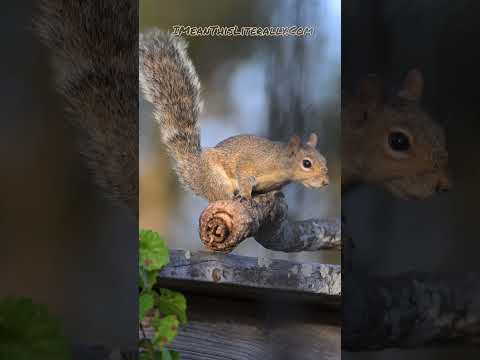
Squirrels bark to warn others, defend food or territory, and sometimes during play or mating. Barking changes depending on what’s going on, which species you’re watching, and where you are—city or forest.
Territorial Defense and Alarm Calls
When a squirrel barks sharply, it’s usually reacting to a threat or an intruder near its food or nest. Squirrels use short, repeated barks to alert others and mark their space.
If a predator gets closer, the barks get faster and louder.
Watch for patterns and pitch. Rapid, repetitive barks often mean immediate danger, like a hawk or cat.
Slower, harsher barks or some added chatter can signal a challenge over a tree, feeder, or nut stash. You’ll often see tail flicks and quick dashes to cover right after alarm barks.
Eastern Gray Squirrel Barking Habits
Eastern gray squirrels (Sciurus carolinensis) are some of the chattiest tree squirrels around. You’ll hear sharp, high-pitched barks—those “kuk-kuk” calls—echoing through parks and yards.
These calls cut through leaves and let other squirrels know about predators or people nearby.
In cities, eastern grays bark more often since cars, dogs, and people keep them on alert. You might hear them mix barks with teeth-chattering and dramatic tail flicks when they’re defending a feeder.
Their calls shift with the situation: short bursts for something far off, longer series when danger’s close.
Barking in Social Interactions and Mating
Squirrels don’t just bark when they’re scared—they use sounds in social and mating situations too. Males get especially vocal during mating season, calling persistently to attract females or warn off rivals.
Juvenile squirrels sometimes let out playful barks while chasing each other. You can spot social learning and bonding just by listening.
Instead of fighting, a dominant squirrel may bark, posture, and flick its tail to push a rival away from a nest or feeder. During mating chases, you’ll hear rapid calls mixed with flashy tail moves—expect more variety than the usual alarm barks.
Understanding Squirrel Behavior Through Vocalizations
You can start to decode squirrel behavior by watching for call type, repetition, and the little things they do with their bodies. Jot down a quick checklist as you observe: Is the call high or low? Do they repeat it, or just call once? What’s their tail doing? Are they tense, or relaxed? And what’s going on nearby—maybe a predator, a feeder, or just another squirrel?
If you’re after more detail, try comparing calls over a few days. When you hear a lot of barks near feeders during the day, it usually means squirrels are fighting over territory. But if you catch short, sharp bursts while a squirrel scans the sky, that probably means there’s a hawk or something else flying overhead.
Honestly, learning these little patterns just makes it easier to guess what squirrels might do next and why they’re making certain choices. If you want to dig deeper, check out articles like Why Do Squirrels Bark? | Nature’s Noisy Secrets (https://furric.com/why-do-squirrels-bark/). That one goes into alarm calls and how they change depending on the situation.


