
You might spot a squirrel nest as a round, messy bundle of twigs and leaves tucked high in a tree or hidden in a hollow trunk.
A typical drey looks like a ball of leaves and twigs about the size of a basketball. Dens, on the other hand, sit inside cavities or old woodpecker holes and offer more shelter.

Step outside and look up near forked branches or dense limbs. That’s where nests usually sit.
Stick around if you want to know how to tell a drey from a den, where different squirrels prefer to build, and what you should do if you find one on your property.
What Does a Squirrel Nest Look Like?

You’ll usually find a round, leafy ball tucked into branch forks or inside hollow trunks.
Nests look messy outside but squirrels line the inside with soft stuff for warmth and baby care.
Key Features and Appearance
A typical squirrel drey looks like a rough sphere, anywhere from 6 inches to 2 feet across.
You’ll spot a dense outer shell of twigs and leaves that hides an inner cavity. In winter, the drey often looks fuller and thicker because squirrels add more leaves for insulation.
Color and location help you spot one. Dreys blend with dead leaves and branch shadows, so they usually match browns and grays.
If you find a nest in an attic, it will look more like a pile of shredded insulation, fabric, and twigs than a neat ball.
How to Identify Squirrel Nests in Trees
Look high in sturdy trees where branches fork or where a lateral limb meets the trunk.
Dreys sit 10–30 feet up, often in maples, oaks, or elms with good branch support. A nest placed near thicker branches stands up to wind better.
Try using binoculars to check the shape and materials from the ground.
If the nest sits in a hollow inside a trunk or an old woodpecker hole lined with leaves, it’s a den, not a drey.
You might notice several small nests in nearby branches. Squirrels often use multiple homes for shelter and escape.
Materials and Construction Techniques
Squirrels weave the outer framework from small twigs and vines.
They pack dry and damp leaves into the shell and tuck softer material—moss, grass, shredded bark—into the inner cup for cushioning and warmth.
Here’s how they build it:
- Gather twigs and small branches for the frame.
- Weave a loose sphere around a branch fork.
- Stuff the cavity with leaves and insulating material.
- Add extra leaves in fall and winter for thicker insulation.
Flying squirrels usually prefer hollow cavities. Tree squirrels more often build leafy dreys.
You might also find squirrel nests inside attics. They use insulation, fabric, and paper to mimic a drey’s inner lining while avoiding open branches.
Types of Squirrel Nests and Where They Are Found
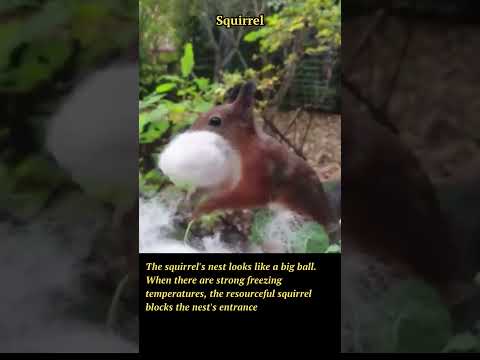
Squirrels use three main kinds of homes. They choose each for safety, weather, and food access.
You’ll see what materials they use, where they build, and which species go for each type.
Leaf Nests (Dreys)
Dreys are round, bulky nests built of twigs, leaves, and moss.
You’ll usually find them 20–60 feet high in the fork of a deciduous tree or among dense branches.
Squirrels weave an outer shell of sticks and line the inside with softer materials like shredded bark, grass, and feathers.
This creates insulation and some water resistance, but it’s not totally waterproof.
Tree squirrels often build multiple dreys within their territory.
You might spot several in one tree. Squirrels switch nests to avoid parasites or predators.
Dreys serve as day beds, temporary shelter, and places to raise baby squirrels during warmer months.
Tree Cavity Dens
A tree cavity den is a hollow inside a trunk or large limb.
You’ll find these in older or dead trees, often deeper in the trunk than a drey.
Cavities provide better insulation and protection from rain, wind, and hawks.
Many species, including flying squirrels, prefer cavities for winter nesting and rearing young.
You may see squirrels enter through a small round hole. The space inside is usually lined with dry leaves and fur.
Landowners can help by installing a proper squirrel nest box near likely cavity trees to offer safe, dry den space.
Burrows and Ground Nests
Some squirrels, like ground squirrels and a few others in open areas, actually dig burrows. They create underground tunnels with little chambers for nesting and stashing food.
You might spot entrances tucked away in tall grass or hiding under shrubs. These burrows help squirrels dodge aerial predators and stay comfortable, no matter the weather.
Squirrels usually build their burrows with more than one exit and set aside special spots for their babies. If you notice fresh soil piled up and lots of little runways, that’s a good sign you’re looking at an active burrow system—not just a simple nest.


