
Squirrels are fascinating creatures, and their ability to see the world is quite different from ours. You might wonder, squirrels can see some colors, but not red and green, as they have dichromatic vision. This means their eyes are equipped to detect primarily blue and yellow hues, which helps them navigate their environments and find food.
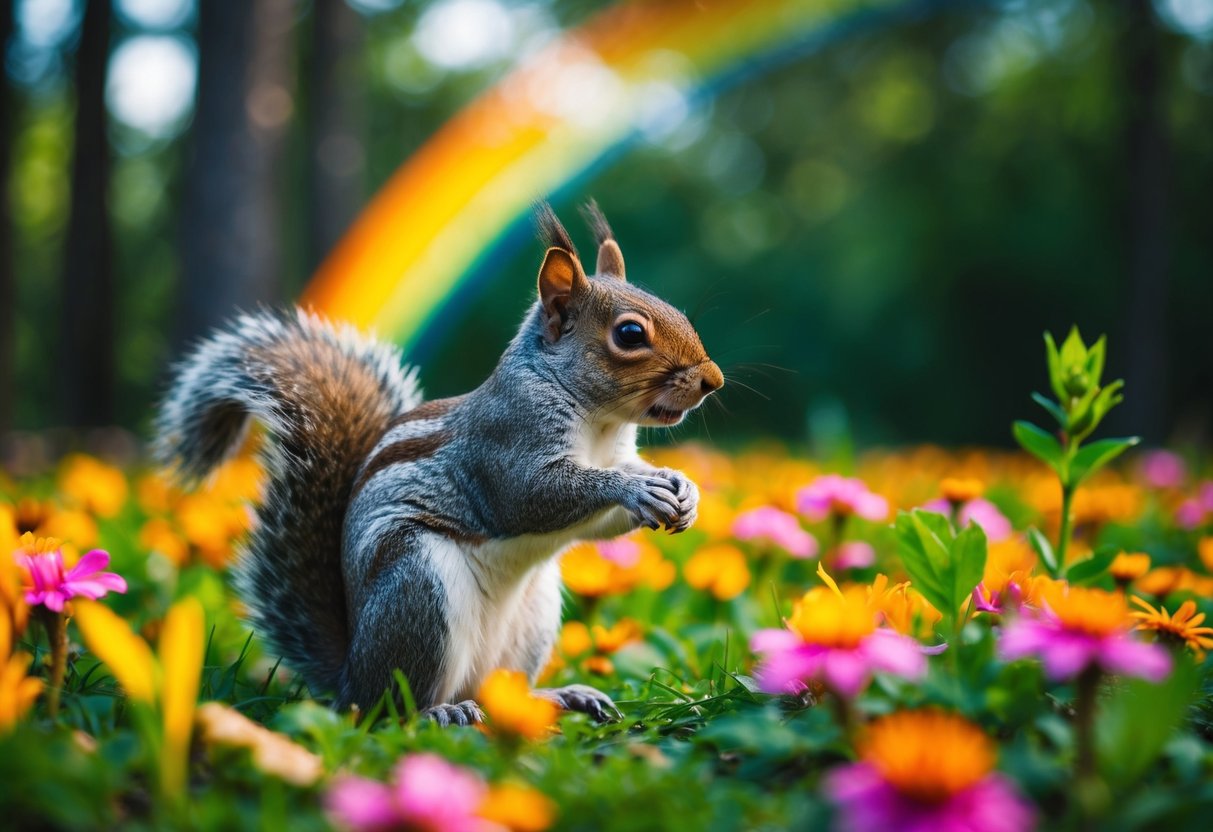
Understanding how squirrels perceive color can deepen your appreciation for these agile animals. In the wild, their vision plays a critical role in their survival, allowing them to spot predators and locate tasty treats. Join us as we explore the unique vision of squirrels and what it means for their behavior and interactions in the wild.
Understanding Squirrel Vision

Squirrels have unique visual abilities that help them navigate their environment. Their eyesight is tailored for survival, allowing them to detect predators and find food. Here’s a closer look at how squirrels see the world.
Basics of Squirrel Eyesight
Squirrels have large eyes, which give them a broad field of view. Their peripheral vision allows them to spot danger from almost any angle. This is crucial, especially for tree squirrels that need to stay alert while climbing.
On the retina, squirrels possess two types of color receptors, known as cones. This setup gives them dichromatic vision, meaning they primarily see shades of red and green. However, they struggle to perceive blues and purples, making them somewhat color blind in those tones. This limited color vision suits their needs, as they rely heavily on movement and brightness in their environment.
Differences in Squirrel Vision Types
There are two main categories of squirrels: tree squirrels and ground squirrels. Both types share similar visual abilities, yet details in their habits influence how they use their eyesight.
Tree squirrels are often seen navigating through branches, so their ability to see clearly at different depths is vital. Ground squirrels, on the other hand, live in open areas and depend more on spotting predators from afar.
While neither type has trichromatic vision like humans, their dichromatic color vision is well-suited for survival. Their eyesight helps them during both daylight and low light, making them effective foragers. Understanding these differences highlights how adept they are in their habitats.
Squirrel Behavior and Environment

Squirrels are fascinating creatures that rely heavily on their vision to navigate their environment. Their ability to see certain colors plays a crucial role in finding food and staying safe from predators.
Impact of Vision on Food Sources
Squirrels have a unique type of vision. They are colorblind and primarily see in shades of yellow-green, blue-violet, and various greys. This means they may not distinguish red or orange well.
Despite this limitation, squirrels have adapted. Their vision helps them detect food against their natural surroundings, especially in forests. They can easily spot the yellows and greens of nuts and fruits.
Squirrels often seek out bright colors in fruits, like apples or berries, as these colors signal ripeness. Knowing how color affects their food sources helps you understand their foraging habits better.
Predator Detection and Safety
Vision plays a major role in how squirrels spot potential threats. Their ability to see in different colors allows them to notice movements in their environment.
While they are colorblind, their wide field of view helps them watch for predators, like hawks and cats. This awareness keeps them alert and safe.
Interestingly, bright colors like hunter orange do not always stand out to them, making it easier for them to blend into their environment. This camouflage is essential for their survival.
Squirrels also use their vision to navigate quickly through trees, avoiding dangers while searching for food. Their behavior shows you how important vision is for their daily life.


