
You probably see squirrels darting around nearly every day. Ever wonder what’s actually on their menu? Squirrels are omnivores — they’ll eat plant foods like nuts and fruits, but they also go for insects, eggs, and sometimes even small animals. That mix lets them roll with the seasons and take advantage of whatever’s in your yard, whether it’s a bird feeder or a compost pile.

If you keep an eye on them, you’ll notice how their diet shifts as the months go by. Wild foraging isn’t quite the same as backyard snacking, and some of their animal-eating habits might surprise you. Digging into these details can help you get why squirrels act the way they do—and maybe make coexisting a little easier.
Are Squirrels Omnivores? Key Facts and What It Really Means

Squirrels munch on all sorts of foods. You’ll catch them with nuts, seeds, fruits, fungi, insects, eggs, and every now and then, something a bit more daring.
What Does Being Omnivorous Mean for Squirrels?
When we say squirrels are omnivorous, we mean they need both plants and animal items to stay healthy. If you’re watching a backyard eastern gray squirrel, most of the time, they’re eating acorns, hickory nuts, or sunflower seeds. Those plant foods give them fats, carbs, and a bit of protein.
When plants run low, animal foods step in. Maybe you’ll spot a fox squirrel digging up a grub, munching a caterpillar, or even raiding a bird’s nest for eggs. Those animal foods boost their protein, calcium, and calories, especially in spring when they’re breeding.
Omnivory lets squirrels switch things up as the year rolls by. In fall, they pack on nuts to get ready for winter. Come spring, they go after insects and eggs for growth and nursing. That kind of flexibility really helps them survive all sorts of changes.
How Squirrels Balance Plant and Animal Foods
Most of the year, squirrels stick to plants. Seeds, nuts, fruits, and fungi make up most of their meals. These foods are high-energy and not too hard to find.
Animal foods come in as extras. When squirrels need more protein, or if seeds are scarce, they’ll add insects or eggs. Young squirrels, for example, eat more bugs to help them grow fast.
Human food sneaks into their diet too. Bird feeders become squirrel buffets—sunflower seeds, corn, you name it. That means more calories, but maybe less variety, so feeders can shift what they eat overall.
Are Squirrels Carnivores or Herbivores?
They’re definitely not strict carnivores or herbivores. If you call them herbivores, you’d miss the bugs, eggs, and small critters they sometimes eat. But calling them carnivores? That ignores all the nuts and seeds they rely on.
Really, squirrels are opportunistic omnivores. Their teeth and guts work best with plants, but they can handle animal stuff too. Those sharp incisors crack nuts, and their cheek teeth grind up plant fiber.
When food gets tight, squirrels change up their behavior. They might snatch nestlings, eat roadkill, or even catch a frog. They’re not expert hunters, but they do what they need to make it through.
Omnivorous Behavior Across Different Squirrel Species
Different squirrel species eat animal food in different amounts. Eastern gray squirrels mostly stick to nuts and seeds but won’t turn down insects or eggs if they find them. Fox squirrels act pretty much the same, though in some places they go for bigger seeds.
Tree squirrels usually eat more plants than ground squirrels. Some ground squirrels eat more insects and small animals. Flying squirrels focus on fungi and nuts, with the odd insect thrown in.
Where they live matters a lot. In cities or suburbs, eastern gray and fox squirrels eat more people food and birdseed. In forests, when nuts are everywhere, they don’t bother with animal foods so much. Your neighborhood squirrels eat what’s around, so their diets can really vary.
If you’re curious about squirrel diets, check out how squirrels are omnivores or see how different species adapt.
Squirrel Diet in the Wild and in Backyards
Wild or not, squirrels eat all sorts of plant and animal foods. You’ll see them hiding nuts, grabbing fruit, and snatching insects or eggs if they get the chance.
Natural Foods: Plants, Nuts, Fruits, and Seeds
Nuts and seeds are their main fuel. Acorns, walnuts, hazelnuts, pine seeds—they go for whatever’s local. Those foods give them energy to run around and store fat for winter. You’ll probably spot them cracking shells or burying nuts under leaves.
Fruits and berries add water and sugar. Apples, berries, pears—if it grows nearby, they’ll try it. When pickings are slim, they’ll even chew on buds, shoots, or tree bark.
They don’t mind vegetables and fungi either. Corn, root veggies, mushrooms—these show up in their diet depending on what’s around. All these plant foods fill in the vitamins and minerals they need.
Animal Sources: Insects, Eggs, and Small Vertebrates
Squirrels grab animal protein when they can. Caterpillars, beetles, crickets—these are quick snacks you might see them catch.
They’ll raid bird nests for eggs too. Eggs give them fat, protein, and calcium, and an unguarded nest is just too tempting. If you notice fewer baby birds, squirrels might be the reason.
Every so often, squirrels take small vertebrates. They might go after baby birds, mice, or even the occasional snake if they’re really desperate. It’s not their go-to meal, but when times are tough, they get creative.
Seasonal Changes and Adaptations in Diet
Squirrel diets change with the seasons. In spring and summer, you’ll notice more greens, fruits, and insects on the menu. Those foods help them grow, breed, and raise their young.
When autumn hits, squirrels focus on nuts and seeds that are packed with fat. They get busy hiding food for winter, digging and stashing nuts all over the place.
Winter’s rough, so they rely on hidden caches, plus any fungi or berries they can dig up. Since tree squirrels don’t hibernate, you’ll still see them out and about, searching for buried nuts or scavenging near bird feeders to make it through the cold.
What Do Squirrels Eat Versus Feeding Squirrels
Squirrels naturally munch on nuts, seeds, fruits, mushrooms, insects, eggs, and sometimes even small animals. They pick from whatever’s available each season, so their diet shifts throughout the year.
These wild foods give them fats, protein, fiber, and minerals from lots of different sources. It’s kind of impressive how well they adapt.
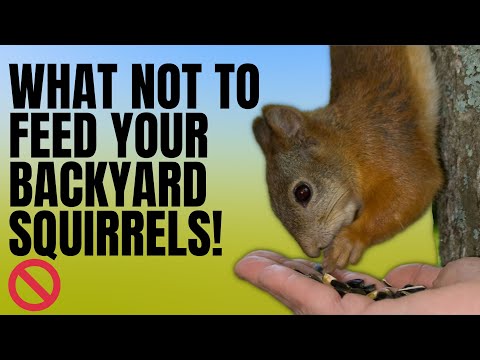
If you’re thinking about feeding squirrels, stick to natural stuff—unsalted nuts in the shell, a bit of chopped fruit, or some plain veggies. Please skip the junk food like chips, candy, or bread; honestly, that stuff just isn’t good for them and could mess up their growth.
You might see those squirrel mixes at the store for wildlife. Go ahead, but check the label for sneaky added salt or sugar.
Want to keep squirrels out of your bird feeders? Try using a squirrel-proof feeder, or put out safflower seed for the birds. Squirrels usually turn their noses up at that, so it’s a win for your feathered friends and lets the squirrels find their own snacks nearby.


