
Ever hear something rustling in your attic or catch a quick shadow darting through the branches after dark? Maybe you wonder if squirrels are behind the noise. Most squirrels actually stick to daytime hours, but flying squirrels? They’re nocturnal and love to move around at night. So, if you spot something scurrying after sunset, there’s a good chance it’s a flying squirrel or maybe some other nighttime critter.

Curious about which squirrels show up after dark and what wakes them up? Let’s dig in. I’ll walk you through how to spot nocturnal squirrels, plus why things like lights, weather, or even their nesting habits can throw off their usual schedule.
Which Squirrels Are Active at Night?
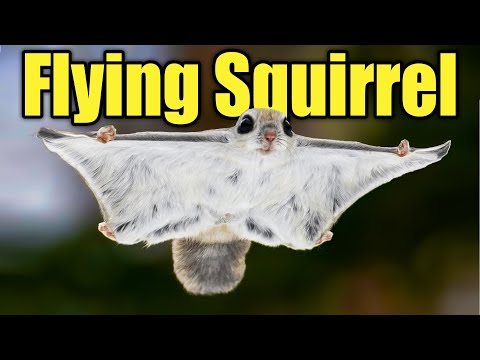
Most squirrels you see hopping around during the day are sound asleep by nightfall. Only a few species get busy after dark. Flying squirrels make up the main group of nocturnal squirrels. Tree and ground squirrels, on the other hand, are pretty much daytime regulars and rarely venture out at night.
Flying Squirrels and Their Nocturnal Habits
Flying squirrels—like the northern and southern flying squirrel—have truly mastered the night. You might spot them gliding between trees once the sun goes down. They use a stretchy bit of skin called a patagium to soar from branch to branch.
Those big eyes? They help flying squirrels see in low light so they can find seeds, fruits, and insects in the dark. They usually nest in tree cavities or even bird boxes. When dusk hits, they slip out and start gliding silently toward their favorite feeding spots. If you hear gentle chattering or soft rustling up in the branches at night, you might have flying squirrels nearby. Here’s a handy article if you want to dig deeper into their nighttime habits: nocturnal behavior of flying squirrels at this article on backyard pests.
Diurnal Squirrels: Tree and Ground Species
Most tree squirrels—think eastern gray, red, and fox squirrels—plus ground squirrels like the California ground squirrel, stick to daylight hours. You’ll see them out gathering nuts, digging up snacks, or squabbling over territory while the sun’s up.
They sleep in dreys, tree hollows, or burrows once night falls. Their activity follows a day-night rhythm, mostly shaped by temperature and the risk of predators. In cities, things like streetlights and easy food can nudge their routines a bit, but they almost never switch to full-on nocturnal life. Chipmunks act a lot like this too: mostly out in the day, maybe a quick dash at dusk.
Rare Instances of Night Activity in Diurnal Squirrels
Every now and then, a daytime squirrel will break its own rules. Maybe you’ll catch an eastern gray squirrel or a fox squirrel moving around at night after a sudden noise, a cold snap, or even during mating season.
Sometimes urban food—like a bird feeder or open trash—tempts them out after dark. These moments are rare, though. You might see a fox squirrel dash past a porch light or a ground squirrel peek out at dusk, but it doesn’t happen often. If you keep seeing day squirrels out at night, chances are it’s because of bright lights or food nearby.
What Influences Squirrel Activity at Night?

A squirrel’s night moves depend on safety, food, the weather, and their own inner clocks. Even small changes in light or temperature—or a sudden food find—can get a squirrel up and moving when you’d expect them to be sleeping.
Predator Avoidance and Safety
Most tree and ground squirrels tuck themselves into dreys or burrows once it gets dark. They want to avoid nighttime hunters—owls, foxes, raccoons. Being out in the dark just ups the risk of becoming dinner.
Squirrels count on sharp daylight vision and quick escapes through the trees, which just doesn’t work as well at night. Flying squirrels, though, evolved to thrive after dark. They use gliding and sharp hearing to slip safely from tree to tree. If your yard has bright porch lights, squirrels that aren’t nocturnal still feel exposed and usually hide. Sometimes, though, those lights attract predators, so it’s a mixed bag.
Food Availability and Foraging Patterns
What squirrels eat and when they eat really shapes their routines. Tree and ground squirrels prefer to forage at dawn and late afternoon, when nuts and seeds are easy to find. They stash food during the day so they don’t have to risk going out at night.
Flying squirrels do things differently. They leave their nests once it’s dark to hunt for insects, nuts, berries, and sometimes bird eggs. If food suddenly runs low, or a new food source pops up—like trash or a feeder under a light—even daytime squirrels might take a chance and sneak out at night.
Effects of Weather, Light, and Seasonal Changes
Weather makes a big difference in how active squirrels get. Cold snaps push them to stay tucked away in warm nests or dens. On hot nights, a squirrel might leave its nest just to cool off.
Artificial lights can mess with their habits too. Bright streetlamps or porch lights might scare squirrels off—or draw them in—depending on whether there’s food nearby. Seasons play a role as well. In fall, squirrels go all out gathering and storing food during the day. Winter, though, means longer stretches in the nest and way less movement, mostly because food is harder to find and it’s just plain cold.
Adaptations Like Hibernation, Torpor, and Circadian Rhythms
Squirrels use all sorts of physiological and behavioral tricks to match their activity to whatever’s going on outside. Most species stick to a circadian rhythm, which means they’re up during the day and tucked away at night.
Some ground squirrels, along with a few other species, enter torpor when it gets cold—they drop their body temperature and slow their metabolism for a bit. Only a handful of ground-squirrel species actually hibernate; you’ll spot them snoozing for long stretches through the winter.
Flying squirrels don’t bother with hibernation, but they’ll crowd together in nests just to keep warm. All these adaptations let squirrels save up energy and make it through those tough seasons when food’s scarce.
So, if you’re watching their nighttime habits, you’ll probably notice changes depending on the weather and what’s available to eat.


