
Ever watched a squirrel whip its tail and thought, “What’s going on there?” Honestly, it’s not just random. Most of the time, that twitch is a message: a quick warning, a flash of annoyance, or just a squirrel’s way of saying something to its buddies.
When you see a squirrel twitch its tail, it’s usually showing emotion or alerting others to danger. The speed and the situation will tell you if it’s alarm, irritation, or maybe even a friendly wave.

You can spot the difference by watching how fast the tail moves, where the squirrel looks, and what kind of squirrel you’re dealing with.
Let’s break down those clues so you can figure out if a twitch means “watch out,” “I’m ticked off,” or just “hey there” in squirrel-speak.
Decoding Squirrel Tail Twitching: Key Meanings and Communication

Squirrels use tail twitches as clear messages, but it all depends on what’s happening around them.
They warn each other, claim their turf, show how they feel, or even flirt a little.
Warning Signals and Alarm Calls
When a squirrel spots a predator, it’ll flick its tail fast and let out sharp alarm calls.
You’ll often see quick, short flicks while the squirrel crouches and stares straight at the threat.
This combo tells other squirrels exactly where to look for danger.
Out in the open, that tail acts like a little flag, helping other squirrels figure out where and how far away the problem is—even if they can’t hear much.
Oddly enough, when hawks or other aerial predators show up, squirrels usually stop flicking and go quiet.
They’ll rely on silence and blending in instead.
You might hear high-pitched chirps or chatters when the danger is on the ground, though.
Territorial Displays and Social Signals
Squirrels get pretty obvious with their tail flicks when marking their space or showing off.
If one stands tall and faces an intruder, those sharp, repeated flicks mean “back off.”
Territorial species do this a lot—the flick grabs attention before a chase or a scuffle breaks out.
In more social squirrels, you’ll catch milder flicks during little disputes or when one wants to show who’s boss.
The way the tail moves tells you if the squirrel is serious about chasing someone off or just making a point.
Emotional Expressions: Agitation, Frustration, and Curiosity
A squirrel’s tail can be a dead giveaway for its mood.
If it’s twitching faster and faster, the squirrel’s probably annoyed or frustrated—like when it can’t get into a stash of food or another critter is bugging it.
The more annoyed it gets, the more that tail twitches.
On the flip side, slow, gentle swishes usually mean the squirrel’s curious or just checking something out.
If you see tense muscles and ears pinned back along with those flicks, that’s stress.
But if its body looks relaxed and the tail moves softly, it’s probably just curious.
Twitching During Mating and Courtship
Tail moves aren’t just for warnings—they show up during mating, too.
Males often flick and wag their tails in big, showy ways to get a female’s attention or to challenge other males.
Sometimes things go from slow and casual to wild chasing in a flash, with tails waving to show intent.
Females might answer with gentler tail movements or let the chase happen if they’re interested.
If you see fast, steady flicks during a chase, that usually means the males are really fired up and competing.
Tail Twitching in Different Squirrel Species and Everyday Life
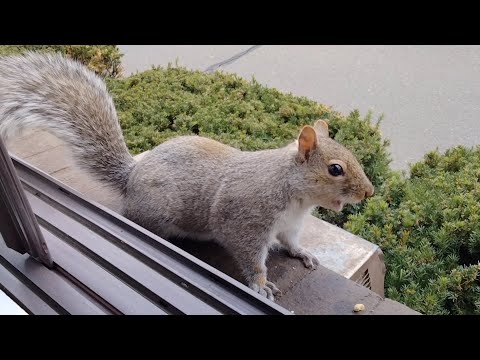
Tail twitches can show alarm, help with balance, or just mean the squirrel’s curious.
You’ll spot different patterns in smaller, territorial squirrels versus bigger, more social ones.
Where the squirrel lives and what it’s up to can totally change what the tail twitch means.
Species-Specific Behaviors: Red Squirrels vs. Gray Squirrels
Red squirrels? They’re feisty and loud.
When a red squirrel twitches its tail, it’s usually pretty annoyed or trying to warn others away from its food stash.
You might see those quick, sharp twitches when it’s guarding a midden or sizing up a rival.
Eastern gray squirrels and their cousins use tail twitches in more situations.
Their twitches can mean anything from a mild warning to excitement or just a social cue during mating.
You’ll notice gray squirrels twitch their tails more when foraging together or if a dog or person gets too close.
If the flicks are rapid and jerky, the squirrel’s on high alert.
Slow, steady flicks? That’s more about curiosity.
Balance, Agility, and Thermoregulation
A squirrel’s tail isn’t just for talking—it helps with movement, too.
When a squirrel leaps between branches, it flicks or stretches its tail to keep balance.
That tail lets it make sharp turns and adjust midair.
You’ll also see squirrels use their tails for temperature control.
On hot days, they might flick or hold their tails up to get air moving over their bodies.
When it’s cold, they wrap their tails around themselves for warmth.
These uses look different from warning twitches since they happen during normal movement or while the squirrel’s just hanging out, not when it’s on alert.
Environmental Contexts: Urban vs. Wild Squirrels
In cities and parks, squirrels deal with dogs, cars, and people all the time. Urban gray squirrels often twitch their tails quickly and frequently when someone walks by or when traffic gets loud.
Those little twitches let them keep an eye on danger while they still grab a snack near humans. It’s almost like they’re saying, “Yeah, I see you, but I’m busy here.”
Wild squirrels act a bit differently. Red squirrels in thick forests use louder, bolder tail signals to claim territory and guard their food from rivals.
You’ll spot them showing off slower, more deliberate tail movements in the quiet woods. I guess it makes sense—visual signals just travel farther when it’s peaceful.
Try noticing if the squirrel’s alone, hanging out by a nest, or in a group. That usually hints at what the tail twitch really means.
If you’re curious, you can check out more on how squirrels use those tail flicks for both communication and balance in this article: why squirrels flick and twitch their tails.


