
Ever watched a squirrel flick its tail and wondered what on earth it’s trying to say? Squirrels twitch their tails to send out quick signals—maybe warning others, showing they’re annoyed, or just sharing a social cue. They also use those tails for balance, which is pretty clever if you ask me.

If you keep an eye on a squirrel’s posture and how fast its tail moves, you can usually figure out whether it’s warning about danger, marking territory, or just being friendly. Let’s dig into some of the main reasons behind all that tail action.
Primary Reasons Squirrels Twitch Their Tails
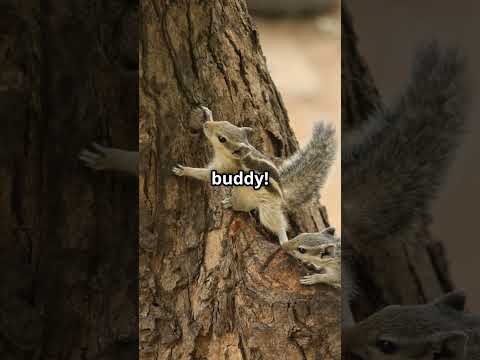
You’ll spot tail twitches in all sorts of situations: warning nearby squirrels, sending social signals, showing stress, or sometimes even trying to attract a mate. Each twitch really depends on what’s happening around the squirrel.
Warning of Predators and Signaling Alarm
When a squirrel spots a hawk, cat, or some other threat, it starts using its tail as an alarm. You’ll probably hear sharp little calls along with quick tail twitches or a flagging motion.
Those tail movements help tell other squirrels if the danger’s coming from above or on the ground. Researchers actually noticed that squirrels use different combos of calls and tail twitches depending on the predator.
For flying threats, they tend to make a quiet moan and keep the tail still. If it’s a ground predator, you’ll see a whipping tail and hear sharper barks.
Other squirrels often react right away—either climbing higher or freezing in place once they catch the signal.
Squirrel Communication and Social Signals
Squirrels use their tails to talk to each other, in a way. If the tail hangs low and relaxed, that usually means the squirrel feels calm or wants to show dominance.
Fast, jerky twitches? That’s a sign of agitation or alertness. Tail signals go hand-in-hand with things like teeth chattering, foot stomping, and those funny squirrel sounds.
When two squirrels argue over territory, you’ll see the tail become a big part of the message. Rapid flicks might mean “back off,” while a steady tail can show who’s in charge.
This helps them avoid unnecessary fights—kind of smart, really.
Expressing Emotions and Stress
Tail twitching often gives away how a squirrel feels. If it’s struggling with a tough nut or container, you’ll see that tail flick faster and more often.
It’s like a person frowning or sighing—just a visible sign of frustration.
When a squirrel feels startled or uneasy, you’ll notice a tense body, raised fur, and quick tail movements. These signs warn other squirrels and let you know the little guy feels threatened.
Attracting Mates and Courtship Behavior
During mating season, tail movements tell a different story. Males and females might make trembling or shivering motions with their tails to get noticed.
These displays help them stand out and signal they’re ready to mate. You might even spot a squirrel holding its tail in a special way while circling or moving closer to another.
All that tail language, mixed with calls and scent marking, is part of the whole courtship dance.
Tail Twitching in Daily Life and Survival
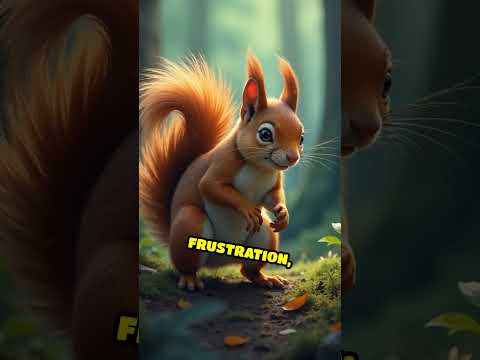
Squirrels use tail twitches not just for signaling, but also for balance and dealing with the weather. If you pay attention, you can usually tell if a squirrel is guarding food, playing, or about to leap.
Territorial Displays and Resource Defense
When a squirrel finds a good stash or a cozy nesting spot, it hangs around and flicks its tail at anyone who gets too close. You’ll spot short, sharp twitches if another squirrel tries to approach a feeder or tree hollow.
Those tail flicks basically mean “this is mine.” If the intruder doesn’t back off, the tail flicking gets faster, and the squirrel might even chase or start making loud calls.
Watching how fast the tail moves and the squirrel’s posture can help you guess who’s likely to win the standoff.
Chasing Behavior and Social Play
Tail twitching shows up a lot during chases, whether the mood is playful or a bit more serious. In aggressive chases, tails twitch quickly and the squirrels dash in straight lines, stopping suddenly.
During play, the twitches look more rhythmic, often with jumps or mock charges thrown in. The tail really signals what’s going on—rapid, jerky flicks mean tension, while slower, bouncier twitches are more about fun or flirting.
If you watch closely, you can usually tell if the chase is all in good fun or if it’s something more serious.
Balancing, Navigation, and Temperature Regulation
Squirrels rely on their tails to stay steady when they dart across narrow branches or launch themselves into the air. If you watch closely, you’ll notice the tail swings in the opposite direction of a jump, kind of like a counterweight.
That little move helps them stick the landing on even the tiniest perches. It’s honestly impressive how precise they can get.
Squirrels also use their tails to navigate through thick branches. Sometimes they’ll tuck or flick their tail to steady themselves during a tricky climb.
Occasionally, a squirrel wraps its tail around the bark for extra grip. That move looks almost accidental, but it’s surprisingly effective.
On hot days, a few light tail flicks can stir the air and cool them down a bit. In winter, squirrels drape their tails over their bodies to trap warmth.
It’s hard not to admire how the tail works as more than just a signal—it’s a clever, everyday tool for survival.


