
Ever spot a baby squirrel or catch one sipping from a saucer? You might start wondering if squirrels can actually drink milk safely. Adult squirrels really can’t digest cow’s milk well, and giving them dairy can cause diarrhea, pain, and dehydration—so it’s best to skip regular milk.

If you find a tiny, orphaned squirrel, focus on warmth and proper fluids first—not milk. Let’s get into why dairy causes problems for squirrels, when special milk replacers might help, and what actually keeps them healthy and hydrated.
Why Can Squirrels Drink Milk

Squirrels naturally drink milk only when they’re nursing babies. Adult squirrels just can’t handle milk well, and babies need special formulas that match what their mother produces.
How Squirrels Digest Milk
Baby squirrels make the enzyme lactase, which breaks down lactose in their mother’s milk. This enzyme lets them absorb nutrients and fluids in their first weeks.
As they grow, their bodies make less lactase, and their guts switch to digesting nuts, seeds, fruits, and insects. If you need to feed a very young, orphaned squirrel, use a milk replacer that matches squirrel milk in fat and protein.
Cow or human milk has a different balance of nutrients and sugars. The wrong milk can go through the gut undigested, causing gas and loose stools.
Lactose Intolerance and Health Effects
Most adult squirrels don’t have enough lactase after weaning, so they’re lactose intolerant. If you give cow, cat, or human milk to an adult squirrel, the lactose ferments in their gut.
That fermentation causes bloating, diarrhea, dehydration, and pain. For a baby squirrel switched too early to solid foods or the wrong milk, you might see poor growth or infections.
Look for watery stools, lethargy, or weight loss—these mean you should stop milk and talk to a vet.
Risks of Cow, Cat, and Human Milk
Cow’s milk has way too much lactose and the wrong protein-to-fat ratio for squirrels. Cat milk and goat milk also don’t match what squirrels need and often upset their digestion.
Human milk isn’t right either; it lacks the right minerals and has different sugar levels. Leaving dairy out can attract bacteria, which increases the risk of foodborne illness.
Don’t offer milk as a substitute for water. It doesn’t hydrate safely and can do more harm than good.
Appropriate Milk Replacers for Baby Squirrels
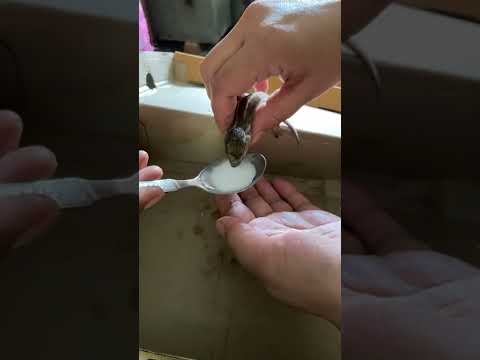
If you must feed an orphaned squirrel, use a commercial squirrel milk replacer or a formula made for wild rodents or puppies. These products try to match squirrel milk’s calories, fat, and protein.
Follow the instructions for mixing and feeding carefully. Use a small syringe or nursing bottle, and keep the formula warm (but not hot).
If possible, reach out to a wildlife rehabilitator or vet for help with the right product and feeding schedule. They can tell you how much to feed based on weight and when to start solid foods.
Hydration and Nutrition Beyond Milk
Squirrels get most of their fluids and nutrients from the foods they eat, not from dairy. Let’s look at what they eat for water and energy, how to spot dehydration, and safer liquid options than milk.
Natural Diet and Fluid Intake
Squirrels eat nuts, seeds, fruits, buds, and sometimes insects. Nuts and seeds give them fats and protein for energy.
Fruits and fresh buds supply water and vitamins. Many common foods have high moisture—berries can be 80–90% water.
Fresh greens and fruits like apples add fluid during feeding. Sometimes squirrels nibble on mushrooms or fungi, which also hold moisture and minerals.
Young squirrels get water from their mother’s milk until weaning. Adults rely on food moisture and drinking water.
If you feed or watch squirrels, put out clean water in a shallow dish instead of dairy. That keeps their digestion stable and meets their fluid needs without lactose problems.
Signs of Dehydration in Squirrels
Watch for sunken eyes and dry, tacky gums; these show dehydration. If a squirrel moves slowly, has weak coordination, or trembles, it might be dehydrated.
Check fur and skin: pinch loose skin gently—if it doesn’t snap back quickly, fluids are low. Diarrhea and rapid weight loss are also warning signs since small animals can lose fluids fast.
If you find a dehydrated wild squirrel, don’t give cow’s milk. Offer plain water in a shallow dish or call a local wildlife rehabilitator for advice on rehydration and care.
Alternative Hydration Sources Like Tree Sap
Squirrels sometimes lap up tree sap and cambium, especially when late winter turns into early spring. Sap gives them water, a bit of sugar, and trace minerals—no lactose in sight.
You might catch a squirrel feeding on sap near a cut or sap flow, especially on maples or birches. They’ll also drink dew off leaves, or find puddles and slow streams when they can.
In cities, squirrels often check out pet water bowls or perch on the edge of a birdbath for a quick drink. If you want to help, just keep a shallow dish of clean water in a spot where they won’t feel threatened.
Skip the milk or sweet drinks—those can upset their stomachs or even lead to malnutrition.
If you’re curious about their drinking habits, or wondering why milk isn’t a good idea, check out this article: Do Squirrels Drink Milk?.


