
Have you ever noticed how people blame opossums for things they don’t actually do? A lot of folks see them as pests or even dangerous, but honestly, most of that comes from old stories or just plain misunderstandings.
The truth? Opossums mostly keep to themselves and actually help out by eating pests like ticks and snakes. They rarely cause any real trouble for people.
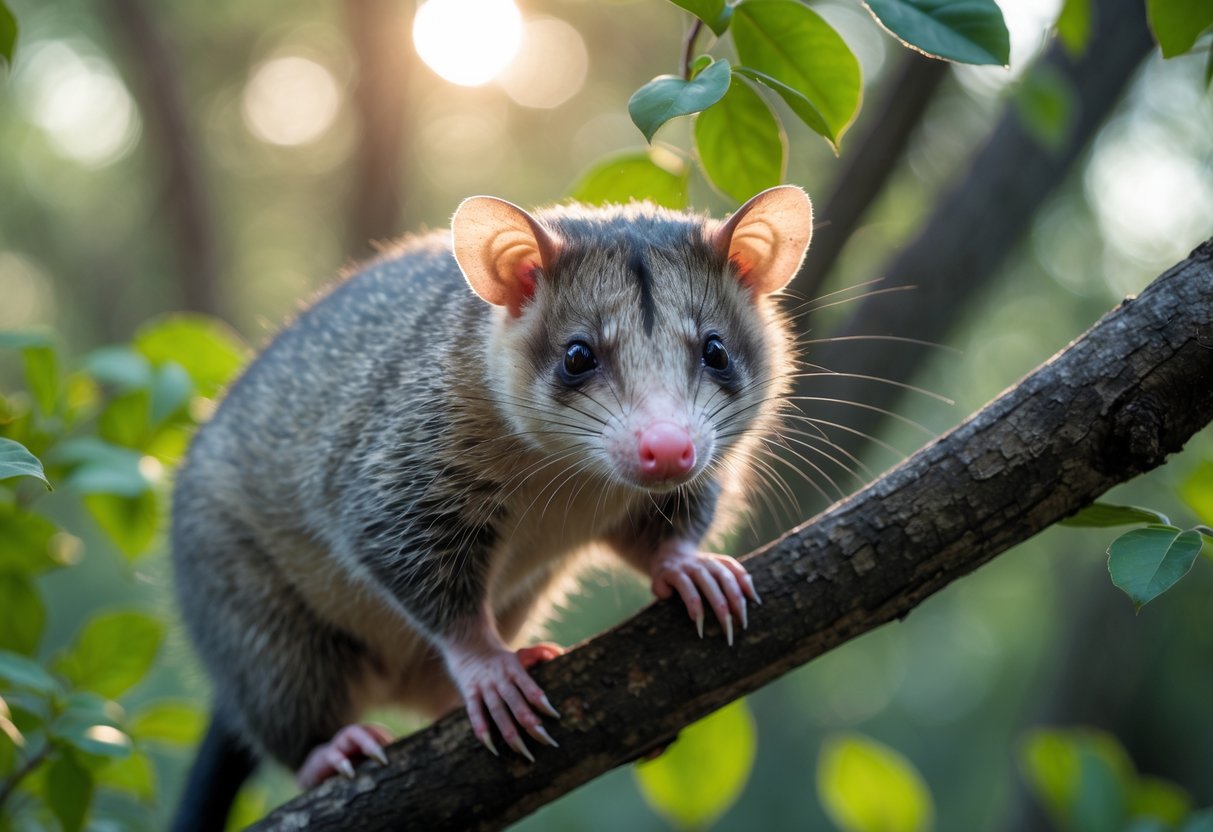
If you’ve wondered why opossums get such a bad reputation, it’s often just about how they look or because they hang around garbage sometimes. Their faces are a bit odd, and, let’s be honest, not everyone finds them cute.
But here’s the thing: these animals are actually pretty clean. They do a lot of good by keeping your yard free from harmful bugs and rodents.
Learning what opossums really do can change how you see them. Giving them a chance means you’re helping a neighbor you might not have noticed before.
Curious about why opossums deserve a little more respect? Keep reading. If you want to dig deeper, check out this detailed look at how opossums help with pest control.
Understanding Why Opossums Get a Bad Rap

A lot of people think opossums cause problems or just look scary. But honestly, most of their bad reputation comes from not understanding how they act or what they really are.
People often compare them to rats and mice, which doesn’t help. Knowing the facts can totally change your mind about them.
Common Misconceptions About Opossums
You might have heard people say opossums ruin gardens or attack pets. In reality, they rarely damage anything.
They don’t usually go after chickens or tip over garbage cans, but they’ll definitely clean up scraps other animals leave behind.
Some folks worry opossums carry rabies or are aggressive. That’s just not true. They might hiss or show their teeth if they feel threatened, but they don’t attack.
When scared, they “play dead”—it’s just a defense trick, not a sign of sickness.
Opossums help out by eating ticks, insects, and even small rodents. If you keep your garbage lids tight and don’t leave pet food outside, you can discourage visits without harming them.
You can check out more facts on Humane World for Animals.
Comparisons to Rats and Mice
People often lump opossums in with rats and mice just because they have long tails and sometimes scavenge. But they’re not even rodents—they’re marsupials, which makes them pretty unique.
Unlike rats and mice, opossums eat a ton of ticks and help control pests. They’re actually doing you a favor.
Rats and mice live closer to people and breed fast, so you see them more often. Opossums mostly keep to themselves and wander around at night.
That difference in habits really sets them apart, even if they don’t always get credit for it.
Appearance and Behavior Stereotypes
Let’s be real—opossums can look a bit unsettling with those beady eyes and rat-like tails. When they’re scared, they might hiss or show their teeth, which looks pretty intimidating.
But that’s just a bluff. They’re not looking for a fight.
Opossums move slowly and have a calm nature. They won’t chase or attack you. Their defensive displays are just a way to stay safe.
If you know their weird looks and scared behaviors are normal, it’s easier to see them as harmless. They’d rather play dead than get into trouble.
For a deeper dive into their behavior, check out Animal Capture Wildlife Control.
The Surprising Benefits of Opossums

Opossums might look like pests at first, but they actually help out in your neighborhood. They eat bugs and rodents, protect you from diseases ticks spread, and almost never carry rabies.
These are some pretty good reasons to appreciate them if you ask me.
Pest Control: Eating Cockroaches, Rats, and Mice
Opossums do a great job cleaning up pests around your home. They eat cockroaches, rats, and mice—those annoying little critters that can make you sick or mess up your house.
Since they snack on all sorts of insects and small animals, opossums help keep pest numbers down naturally. They’re not out there fighting or chasing; they just quietly clean up at night.
If you’ve got too many rats or mice, having opossums around can help without needing traps or poison.
Tick Consumption and Disease Prevention
Ticks are tiny but can cause big problems by spreading Lyme disease. Opossums eat thousands of ticks every year, mostly the ones that try to hitch a ride on their fur.
As they groom, they kill these ticks before the bugs can bite you, your kids, or your pets.
This natural tick control lowers your risk of tick-borne diseases in your yard. Next time you spot an opossum, just remember—it’s out there acting as a living tick vacuum and helping keep your family safe.
Low Rabies Risk and Marsupial Traits
Honestly, it’s easy to worry about wild animals carrying diseases, but opossums almost never have rabies. Their body temperature runs lower than most mammals, so rabies just can’t really get a foothold in their system.
Here’s something cool: opossums are marsupials. They actually carry their babies in a pouch, which sets them apart from rodents and other wildlife you might mistake them for.
They tend to be shy, and they move pretty slowly. You’re not likely to see them acting aggressive toward people or pets.
It’s kind of nice to know that, right? Their unusual biology actually makes them less of a threat than you’d expect.
If you’re curious, you can check out more about why opossums are surprisingly helpful at 5 Surprising Benefits of Opossums.


