
Ever catch a deer staring right at you and wonder what’s going on in its head? Deer lock eyes with you to check for danger, figure out what’s new in their space, or decide if they should take off running. It’s a quick survival move that helps them stick around another day.
When a deer looks your way, it’s usually freezing in place to figure out if you’re a threat, just something odd, or not worth worrying about.
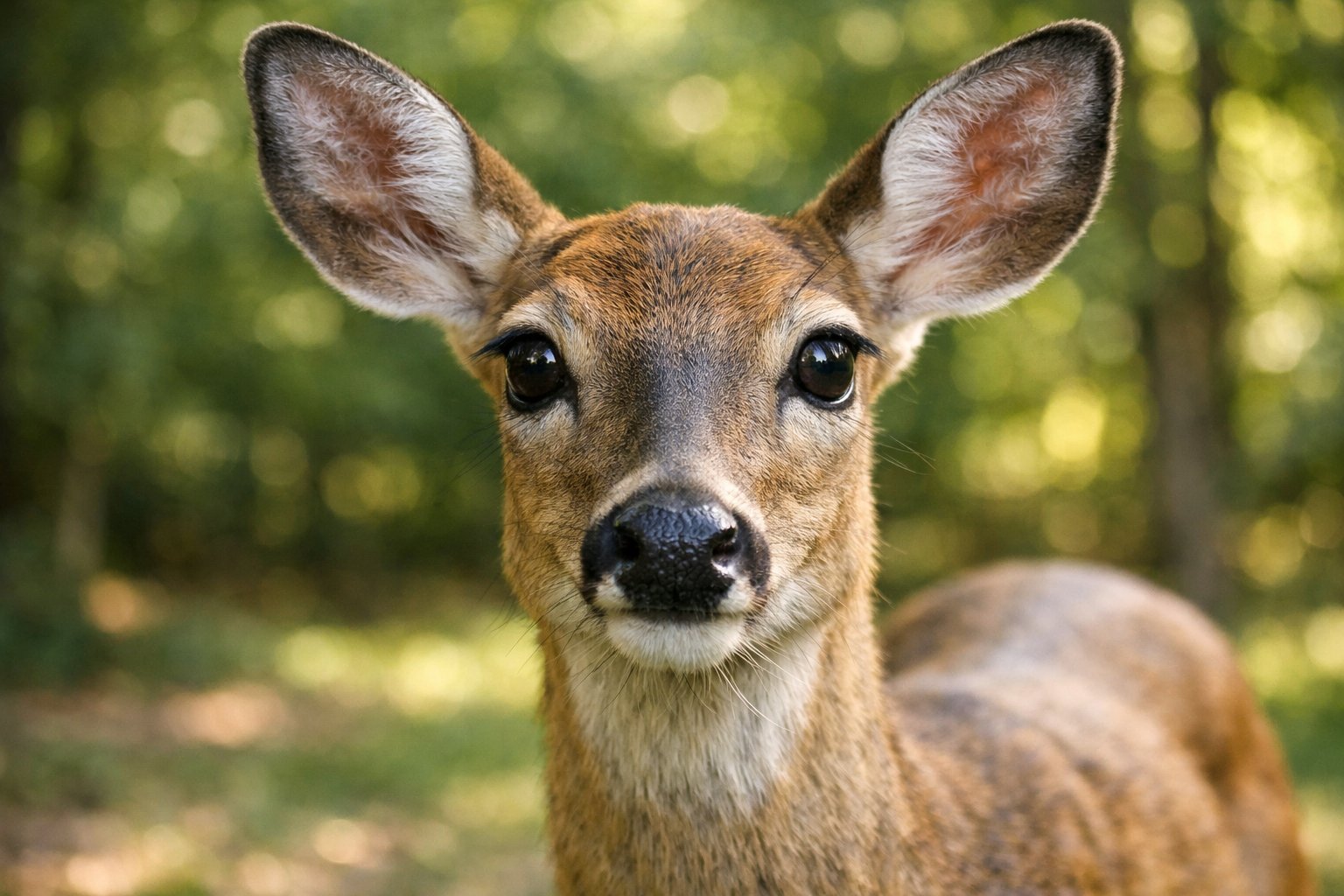
Their eyes, ears, and nose work together to help them decide. You’ll spot clues in how they stand or move—tells that show if they’re chill, on edge, or ready to bolt.
Honestly, it pays to know the difference between plain curiosity and real caution. That way, you’ll know how to handle yourself next time a deer fixes you with that intense stare.
Why Do Deer Look at You?

Deer stop and look right at you because they want to figure out who you are and if you’re a problem. You’ll notice them stand still, listen, and sniff the air—trying to make a quick, safe call.
Freeze Response and Survival Instincts
When a deer freezes and stares, it’s pulling out a classic survival move. Staying still hides them from predators who spot movement first.
You’ll see the deer raise its head, tense up, and shift its weight back, ready to spring away if things go south.
That stillness gives the deer a chance to gather more info. It might catch your scent or hear a tiny rustle—details that help it decide if it should stay, move carefully, or dash off.
If a fawn’s close by, a doe might freeze even longer or take up a defensive stance instead of running.
Your actions matter, too. Step forward, make a sudden move, or get loud, and you’ll likely send the deer running. If you just stay calm and give it space, chances are it’ll go back to whatever it was doing.
Assessing Threats and Curiosity
Deer aren’t staring to pick a fight—they’re sizing you up. They check out your posture, what you’re carrying, and how you move.
If you’ve got a backpack, a dog, or make a quick gesture, you’ll probably make the deer more nervous and earn yourself a longer stare.
Curiosity kicks in when something’s new but not obviously dangerous. You might see the deer flick its ears, tilt its head, or take a tiny step forward—just gathering more info.
If its ears snap forward, it starts breathing fast, or its tail goes up, it’s time to back off. Those are red flags. But if the deer drops its ears and lowers its head, it’s probably decided you’re not a threat.
Deer Senses: Vision, Hearing, and Smell
Deer use all their senses to check you out. Their eyes sit on the sides of their heads, so they see a wide area and catch movement easily, though their straight-ahead vision isn’t super sharp.
When a deer stares, it’s trying to get a better look at your shape and what you’re doing.
Their ears are another story—they swivel around to catch sounds from any direction. You’ll see their ears turn toward the tiniest crackle or a distant voice. Soft noises or snapping twigs can keep a deer’s stare locked on you longer than steady, far-off sounds.
Smell is huge for deer. They pick up your scent if the wind’s right, and that can make them stare longer or act jumpy. Even if you barely move, your scent might tip them off. If you want the deer to relax, try to stay downwind or just give it some room.
Curious about more deer behavior? Check out how experts break down those stares at Why Did a Deer Stare at Me?.
Interpreting Deer Body Language and Human Interaction
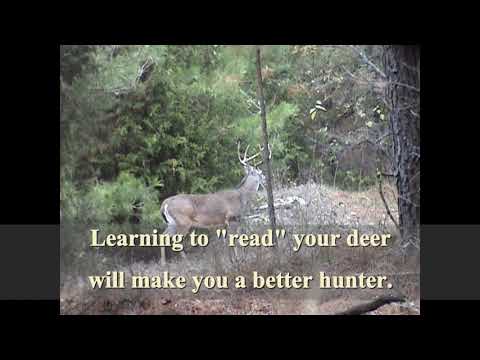
Deer don’t talk, but they sure know how to send a message with their bodies. You’ll pick up on signals from their posture, ears, tail, and even the sounds they make.
Knowing how to react—and why getting too close or feeding them messes with their natural behavior—can make a big difference.
Non-Verbal Communication Signals
Deer use little movements to say a lot. Watch those ears: if they point forward, the deer’s alert; if they pin back, it’s probably annoyed.
A tail that pops up and flashes white? That’s the deer’s way of saying it’s about to bolt.
When a deer locks eyes with you and keeps its head still, it’s usually deciding if you’re trouble. If you notice fast breathing and tight muscles, the deer’s on edge and ready to run.
On the other hand, if it’s chewing slowly or blinking in a relaxed way, it’s not too worried.
Their movements tell you more. Short, careful steps mean curiosity. Stomping, snorting, or a quick tail flick warn you to keep your distance.
If you see that “deer in headlights” look—wide eyes, frozen in place—just stay put and back away slowly. These signals help you figure out if the deer’s curious, anxious, or about to take off.
How to React When a Deer Stares at You
Best move? Stay calm and skip any sudden gestures. Just stop, make yourself smaller, and if you have to talk, keep it soft.
Running at or away from the deer is a bad idea—it’ll just make things worse and could send the deer into a panic, maybe even right into traffic.
Give the deer space. Back up slowly, facing it but without staring it down. If you spot a fawn or think you’re near a bedding spot, put even more distance between you and the deer—does will protect their babies and can get aggressive.
If a deer starts stomping, snorting, or pins its ears flat, just leave right away.
On the road, slow down and stay in your vehicle. Honking or flashing your lights might just spook the deer into running somewhere dangerous. And don’t forget—where there’s one deer, more might follow, so keep your eyes open.
The Impact of Feeding Deer and Habituation
Feeding deer really messes with their instincts. They start to lose their natural fear of people.
Once you feed them, they begin to expect humans and wander into yards or onto roads. That just ramps up the risk of car collisions and adds stress for the animals.
Deer that get used to humans will hang around homes more often. They stop acting cautious, which isn’t great for their safety or the balance of the ecosystem.
If you want to respect wildlife, try not to feed them. Make sure you secure things like compost and pet food.
If deer keep showing up, maybe think about removing attractants like fruit trees. You might notice signs that deer are getting too comfortable—like walking up to you for food, ignoring loud sounds, or just seeming oddly calm near busy roads.
You can discourage this by making your yard less appealing and sticking to your local wildlife guidelines.
Curious about how deer communicate or why they stare at you? Check out this guide on interpreting deer behavior and stares.


