
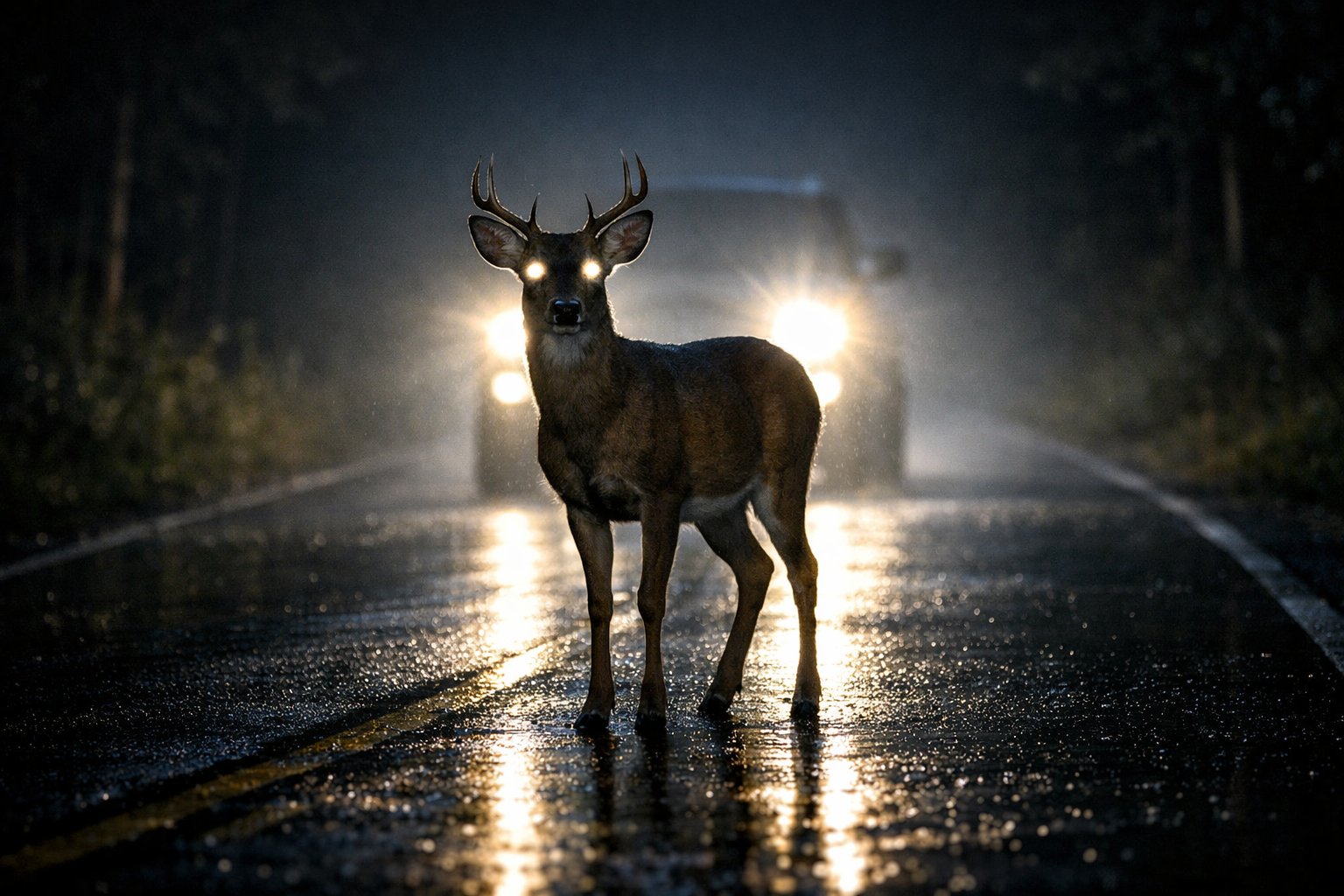
Ever felt your stomach drop when you spot a deer caught in your headlights? The animal just stands there, frozen and unsure, and you can’t help but wonder—why doesn’t it just run?
Deer freeze mostly because bright headlights overwhelm their low-light vision and trigger an instinct to stay still while they figure out if they’re in danger.
If you understand this, you can react quicker and stay safer behind the wheel. Let’s get into how deer vision and instinct work together to cause that freeze—and what it means for you out on the road.
What Causes Deer to Freeze in Headlights?

Deer tend to stop moving when headlights hit them. Their eyes, instincts, and the sudden burst of light all combine to make them freeze up instead of running.
Deer Vision and Light Sensitivity
Deer eyes have tons of rod cells, so they see well in the dark. Those rods help with night vision but don’t give much detail or color.
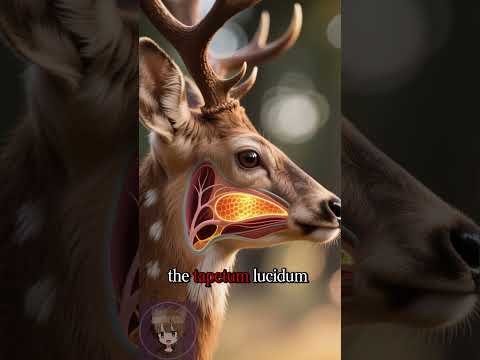
A layer called the tapetum lucidum sits behind their retinas and bounces light back through the eye. That boosts their low-light sight, but it also makes bright lights, like headlights, feel blinding.
When you shine headlights on a deer, its pupils are already wide open from the darkness. That sudden brightness can dazzle or blur its vision for a bit.
You might see the deer freeze and stare because, honestly, it can’t see well enough to move safely. This visual overload can last a few seconds while its eyes try to adjust.
Instinctual Freeze Response
Freezing is a basic defense for deer in the wild. When you come across a deer at night, it might go totally still to avoid being noticed by predators that look for movement.
Freezing becomes the go-to move, buying the deer a few seconds to listen and smell before it decides what to do. It’s part of that classic “fight, flight, or freeze” response.
Adrenaline kicks in, and the deer has to make a snap decision. Your headlights can trigger the freeze because the animal needs a moment to figure out if it should bolt.
The Role of Sudden Bright Lights
Sudden, intense lights send a confusing signal to deer. Headlights just aren’t like natural light at dawn or dusk.
They’re bright, fixed, and follow your car, which can really throw the animal off. The glare wipes out depth cues, making it tough for the deer to judge distance or speed.
If you stop and turn off your headlights, the deer usually regains its vision and wanders off. Sometimes a short honk can get it moving once its eyes recover.
You should brake and give the animal space, since that combo of visual overload and freezing instinct is what puts deer in front of cars.
If you want to go deeper, check out this detailed explanation of why deer freeze in headlights (https://www.britannica.com/science/Why-Do-Deer-Freeze-In-Headlights).
Deer Road Behavior and Safety Implications
Deer can show up out of nowhere and freeze instead of running off, so you really need to slow down, scan both sides of the road, and stay ready to stop.
Knowing when deer move and how they react can help you avoid those sudden swerves that sometimes lead to even worse crashes.
Times When Deer Encounters Are Most Common
Deer are most active around dusk and dawn, when the light drops and their eyes adjust better than yours. Expect more deer just before sunrise in spring and fall, and especially during the fall mating season when bucks wander farther.
Watch for deer crossing signs, wooded roadsides, and fields near highways. Deer numbers go up in some places, so routes near forests or farms carry a bigger risk.
Winter pushes deer onto roads too, since plowed paths and road salt attract them.
If you’re driving on two-lane rural roads at night, slow down. Use your high beams when you can, but dim them if you spot a deer so you don’t blind it.
It helps to scan the road margins and ditches—deer usually move in groups, so if you see one, there’s probably another close by.
Deer-Driver Interactions
If a deer freezes in your headlights, hit the brakes firmly and stay in your lane. Swerving suddenly to dodge a deer can end up much worse—you might hit another car or go off the road.
Keep both hands on the wheel and use steady braking to keep control, especially if the pavement’s wet or icy.
When you stop, keep your headlights on low and wait. Deer might bolt without warning, so giving them a minute lowers the odds they’ll run into your path.
If you hit a deer, pull over safely, turn on your hazard lights, and call local authorities if the animal’s blocking traffic or anyone’s hurt.
If you’ve got kids or pets in the car, slow down sooner in areas with lots of deer and leave more space between you and the car ahead. Report big deer herds or injured animals to animal control so someone can handle the road hazard.
Reducing Collisions and Promoting Safety
You can cut down on deer-vehicle collisions by staying alert in areas where deer like to wander. Try to drive extra carefully around dusk, dawn, and during mating season—those are the times deer seem to show up out of nowhere.
Pay attention to deer crossing signs, and if you’re on a rural road where deer are common, just ease off the gas by 10–20 mph. It’s not always fun to slow down, but it beats a collision.
Here are a few things that might actually help:
- Keep your eyes moving, especially along the road’s edges, and look for those glowing eyes reflecting your headlights.
- If a deer suddenly appears, hit the brakes instead of swerving.
- When one deer crosses, there’s almost always another, so keep your speed down until you’re past the area.
- Make sure your headlights are clean and aimed right—you don’t want to blind the deer or yourself.
Communities can make a difference, too. Local agencies sometimes put up fencing, add warning signs, or build wildlife crossings where deer and cars keep running into each other.
If you notice a spot where deer are always popping up, let your local authorities know. Supporting these safety efforts can help make your daily drive a little less stressful.


