
Bees don’t sting just to bother you. They sting because they feel threatened and want to protect themselves or their hive. When a bee stings, it’s just trying to defend itself from danger it senses nearby.

Ever wonder why bees, especially honeybees, sometimes seem to sting out of nowhere? Honestly, they only do it when they think their home or colony is in trouble.
If you know what triggers a bee to sting, you can change how you act around them. Learning to spot their warning signs and respecting their space can help you avoid getting stung and keep things peaceful outside.
For more details on why bees sting and how to prevent it, you might want to check out this article about why bees sting.
Why Do Bees Sting?
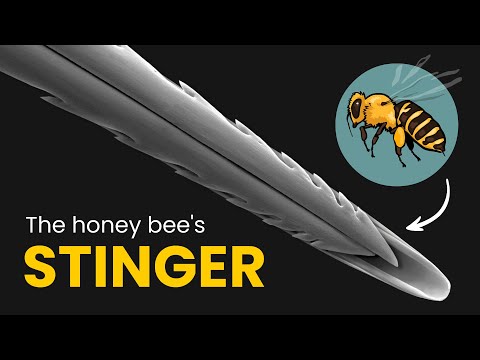
Bees sting mostly to protect themselves or their home. Their stings help guard the hive and signal danger to other bees.
Different bee types react differently, but at the end of the day, they’re just trying to keep their colony safe.
Self-Defense and Threat Perception
Bees usually sting if they feel threatened. If you step near a bee or swat at it, the bee sees you as a danger.
Honeybees and bumblebees use their stings to defend themselves from attacks. When a honeybee stings, it almost always dies afterward, since its barbed stinger gets stuck in your skin.
This makes stinging a last resort for them. It’s a reminder that bees really don’t want to sting unless they have to.
Protection of the Hive and Colony
Worker bees defend the hive when they sense danger. If you get too close or disturb the hive, worker bees might sting to protect the queen and the larvae inside.
The hive is the heart of the colony, so they’ll do whatever it takes to keep it safe. Africanized honeybees, sometimes called “killer bees,” act more aggressively when guarding their hives.
Most honeybees and solitary bees like carpenter bees only sting to protect the colony. If you keep your distance from a hive, you’re much less likely to get stung.
Pheromones and Attack Signals
When a bee stings, it releases alarm pheromones. These chemicals warn other bees nearby to get defensive or even attack.
The pheromones spread quickly, and if you stick around, you might get stung again. This alarm system helps the colony react fast to threats, but it’s bad news for anyone nearby.
If you get stung, moving away calmly and trying to mask your scent can help you avoid more stings.
Species-Specific Stinging Behaviors
Different bees sting in different ways. Honeybee stingers have barbs that get stuck in your skin, so the bee dies after stinging.
Bumblebees and many solitary bees, like carpenter bees, have smoother stingers and can sting more than once. Some bees just aren’t likely to sting unless you really provoke them.
Knowing these differences helps you respect their space and avoid surprises. Beekeepers pay attention to these behaviors to keep themselves and their bees safe.
How Bees Sting and What Happens After
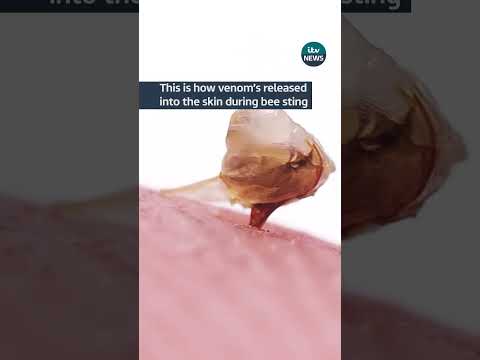
When a bee stings, it uses a special part of its body to inject venom into your skin. This causes pain, swelling, and sometimes a stronger reaction.
Knowing how the stinger works and what the venom does can make it easier to handle stings if they happen.
Stinger Anatomy and Types
Female bees have a stinger, which is actually a modified ovipositor—normally used for laying eggs. In honey bees, this stinger has barbs.
When a honey bee stings, the barbs make the stinger stick in your skin, tearing away from the bee and killing it. Bumble bees have smoother stingers, so they can sting more than once without dying.
Male bees don’t have stingers at all, so you don’t have to worry about them stinging you. This stinging mechanism lets the bee defend itself or its hive when it feels threatened.
Bee Venom and Its Effects
Bee venom contains several proteins, including melittin, which causes pain and swelling where you get stung. When the stinger pierces your skin, it injects this venom.
Your immune system reacts to the venom, which leads to redness and itching. The chemicals in the venom can damage tissue and cause inflammation.
How much venom you get and where you’re stung affect how much it hurts. Some people have only mild symptoms, but others might have a stronger reaction.
Reactions to Stings in Humans
Most people get swelling, redness, and itching at the sting site. This is normal and usually goes away in a few hours or days.
Some people are allergic to bee venom, though. They can have anaphylaxis, a dangerous allergic reaction that needs emergency help.
Signs of anaphylactic shock include trouble breathing, swelling of the face and throat, a rapid heartbeat, and dizziness. If you or someone else has these symptoms after a sting, get medical help right away.
Avoiding Bee Stings and First Aid
If you want to avoid bee stings, try to stay calm when bees are nearby. Don’t swat at them or mess with their hives.
Wear light-colored clothes, and skip perfumes or lotions that smell like flowers or candy. Bees seem to love those scents, and, honestly, who can blame them?
If a bee stings you, pull the stinger out as quickly as you can. Use your fingernail or the edge of a credit card to scrape it out.
Try not to squeeze the stinger, since that just pushes more venom into your skin. That’s the last thing you want.
Put a cold compress on the sting to help with swelling and pain. You can use over-the-counter creams or antihistamines if the itching drives you nuts.
If you’re allergic, always keep an epinephrine injector with you. After a sting, get medical help right away.
Need more info? Check out this article on bee stings and treatment.


