
Ever wondered what smell bees just can’t stand? You’re definitely not the only one. Bees have crazy sensitive noses—well, antennae—that help them track down flowers, but certain scents drive them away fast. Bees really dislike strong, sharp smells like peppermint, cinnamon, citrus, and even vinegar.
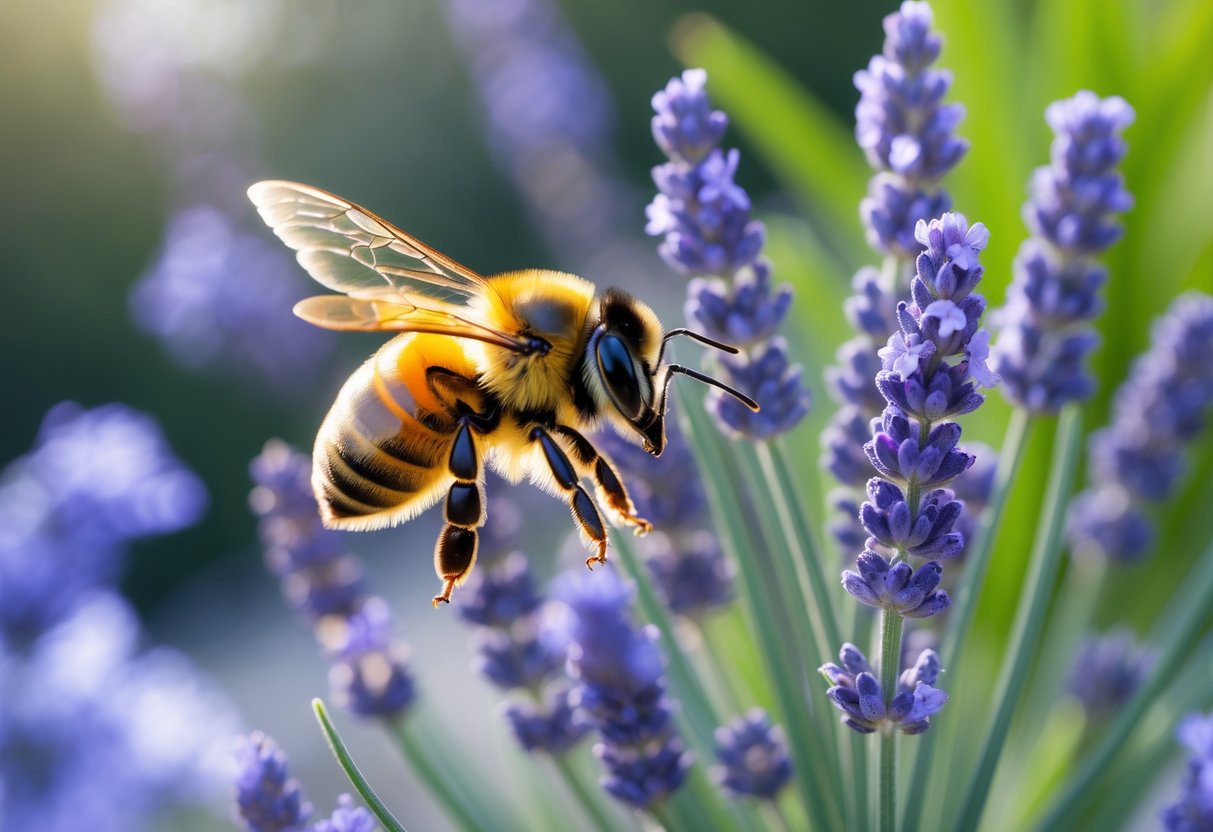
Knowing which smells bother bees gives you a gentle way to keep them at a distance. If you want to avoid stings or just keep bees out of certain spots, these scents offer a natural, safe solution.
Let’s dig into which smells really bug bees and how you can use them around your home or garden. Maybe you’ll finally get to enjoy your porch or backyard without all that buzzing.
Scents And Smells That Bees Hate

Some smells just keep bees away, plain and simple. These scents mess with how bees use their sense of smell to find flowers or talk to each other. If you use odors like mint, citrus, garlic, or certain spices, you can set up natural barriers in places you want bee-free.
Peppermint And Mint Odors
Bees can’t stand the smell of peppermint and other mint oils. Peppermint oil is so strong it confuses or irritates their sense of smell, making it tough for them to sniff out nectar.
Try planting peppermint near spots you want to protect from bees. You can also use peppermint oil in a diffuser or mix it into a spray bottle. That fresh, sharp minty scent? It’s just too much for bees and works as a natural repellent.
Eucalyptus, which has a similar vibe to mint, also helps because bees dislike its strong aroma. So peppermint and eucalyptus make a solid, chemical-free combo for keeping bees at bay.
Citrus And Vinegar Aromas
Citrus scents—think lemons and limes—are another big no for bees. These fruits give off sharp, acidic odors that make bees uncomfortable. You could toss some citrus peels around your yard or spray a bit of diluted lemon juice to keep bees away.
Vinegar works in a similar way. Its strong, sour smell really bothers bees and can cover up the floral smells they usually track. Just mix vinegar and water in a spray bottle and hit the spots where bees like to hang out.
Both citrus and vinegar are safe, natural, and honestly, pretty easy to use when you want quick relief from bees.
Garlic And Cinnamon Repellents
Garlic has a super pungent smell that bees totally avoid. You can sprinkle garlic powder near doorways or plant garlic in your garden if you’re serious about keeping bees away.
Cinnamon is another winner. Its spicy, intense aroma just drives bees nuts. Try using cinnamon powder or a few drops of essential oil around your outdoor seating or flowerpots.
These scents won’t hurt bees, but they make your space way less appealing to them. If you want to gently nudge bees to go somewhere else, these are good options.
For more on using these scents, check out scents that bees hate.
Natural Ways To Keep Bees And Wasps Away
You can actually use natural scents and plants to keep bees and wasps away, and you don’t have to harm them. A lot of essential oils have strong enough smells to cover up the scents these insects use to find food or build nests.
Try planting stuff bees dislike near fruit trees or patios to cut down on visits.
Safe Use Of Essential Oils
Essential oils like lavender, citronella, eucalyptus, and peppermint can keep bees and wasps at bay. Just mix a few drops with water in a spray bottle and spritz it around your patio, picnic table, or near fruit trees.
Don’t spray essential oils directly on food or anywhere pets hang out. Always test a small spot first if you’re using them on fabrics or wood, just in case.
You can also soak cotton balls in essential oils and tuck them into small containers near where you sit. Refresh the oils every few days to keep the effect going.
Creating Bee-Repealing Plant Areas
Try planting herbs like mint, thyme, and lemongrass around your home or garden—they help keep wasps and bees away. These plants give off scents that mess with the insects’ ability to sniff out food.
Put these herbs close to fruit trees if you want to protect ripening fruit from wasps. You can stick them in pots or just use garden beds, depending on your space.
A lot of people love lavender, and honestly, it’s easy to see why. It smells great to most of us, but insects usually steer clear.
Keep the plants healthy and trim them now and then. That way, they’ll do a better job at repelling bees and wasps.
For more details, check out 12 natural wasp and bee repellents that actually work.


