
Bats often fly close to people, which can be unsettling. You might worry that they’re aiming for you, but that’s not the case. Bats typically swoop toward humans to catch insects that are attracted to the carbon dioxide we exhale.
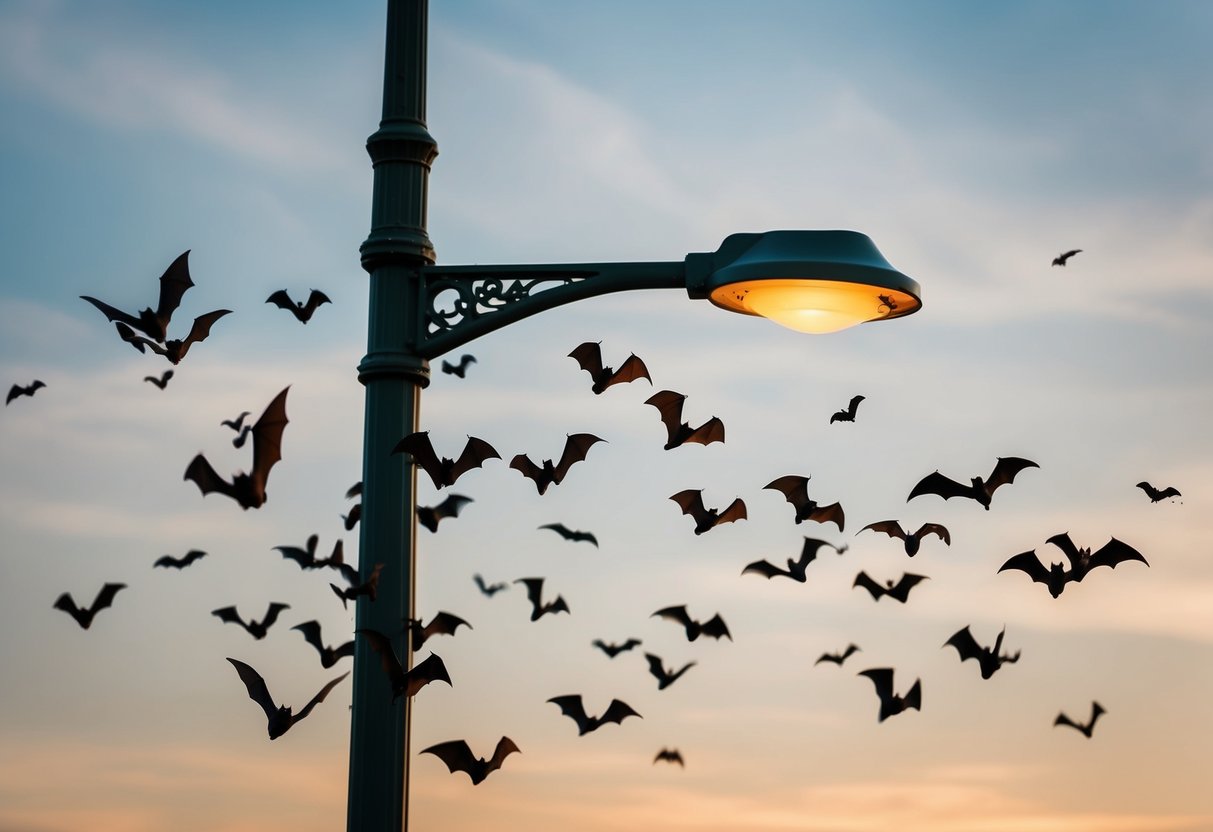
Understanding bat behavior can help ease some of your fears. Instead of being a menace, these creatures are often just hungry and trying to enjoy a meal. Knowing their true intentions can make encounters with bats feel a lot less scary and more fascinating.
Understanding Bat Behavior

Bats are fascinating nocturnal creatures with unique behaviors. Learning about their habits can help you better understand why they might fly close to people and how to coexist safely with them.
The Nightly Life of Bats
Bats are primarily nocturnal, meaning they are most active at night. They tend to hang upside down in roosts, which can be found in caves, trees, and sometimes buildings. This position helps them conserve energy and take flight quickly when needed.
During the night, bats leave their roosts to feast on insects or search for fruits. Their diet varies by species, and many bats can consume thousands of insects in a single night. This behavior is essential for pest control, making them beneficial for your environment.
Echolocation: Navigating the Dark
Bats use echolocation to navigate and find food in total darkness. This process involves emitting high-frequency sounds that bounce off objects, creating echoes. By listening to these echoes, bats can determine the size, shape, and distance of obstacles and prey.
This ability allows them to fly swiftly and accurately, even in complete darkness. It’s important to note that bats do not use echolocation to identify people. Their calls are aimed at locating insects and are not meant to interfere with human activities.
Bats and Human Encounters
When bats fly close to humans, it can be startling but is rarely a cause for alarm. They are not aggressive and usually avoid contact. If you happen to be near a bat, it is likely because it is chasing insects or navigating its surroundings.
Misconceptions about bats often stem from myths and movies that portray them as dangerous. In reality, bats prefer to avoid humans. While they can carry diseases like rabies, the risk of transmission through flying or casual encounters is low. Respecting their space can help keep interactions safe for both you and the bats.
Bats in the Ecosystem
Bats play important roles in many ecosystems, helping with natural pest control and influencing disease dynamics. Understanding these roles can help you appreciate their presence in your environment.
The Diet of Bats and Natural Pest Control
Bats are incredible pest controllers. Most bats eat insects, such as mosquitoes and beetles, helping to keep their populations in check. A single bat can consume thousands of insects in one night. This natural pest control is beneficial for farmers and homeowners alike.
Bats often roost in bat houses, which can be a great addition to backyards. By providing a home for bats, you invite these helpful creatures to munch on pesky flying insects around your property. This symbiotic relationship promotes a healthier ecosystem and reduces the need for chemical pesticides.
The Role of Bats in Disease Ecology
Bats contribute to disease ecology in complex ways. While they can carry diseases like rabies and histoplasmosis, their role in ecosystems helps balance health risks. They are known to carry some pathogens, but their impact is often less than you might think.
In some ecosystems, bats can help control diseases by keeping insect populations low. For example, fewer mosquitoes mean a lower chance of spreading diseases. Additionally, vampire bats, which feed on the blood of other animals, are often misunderstood. They play a role in the ecosystems where they live, though their behavior can cause concern.
Common Misconceptions and Facts
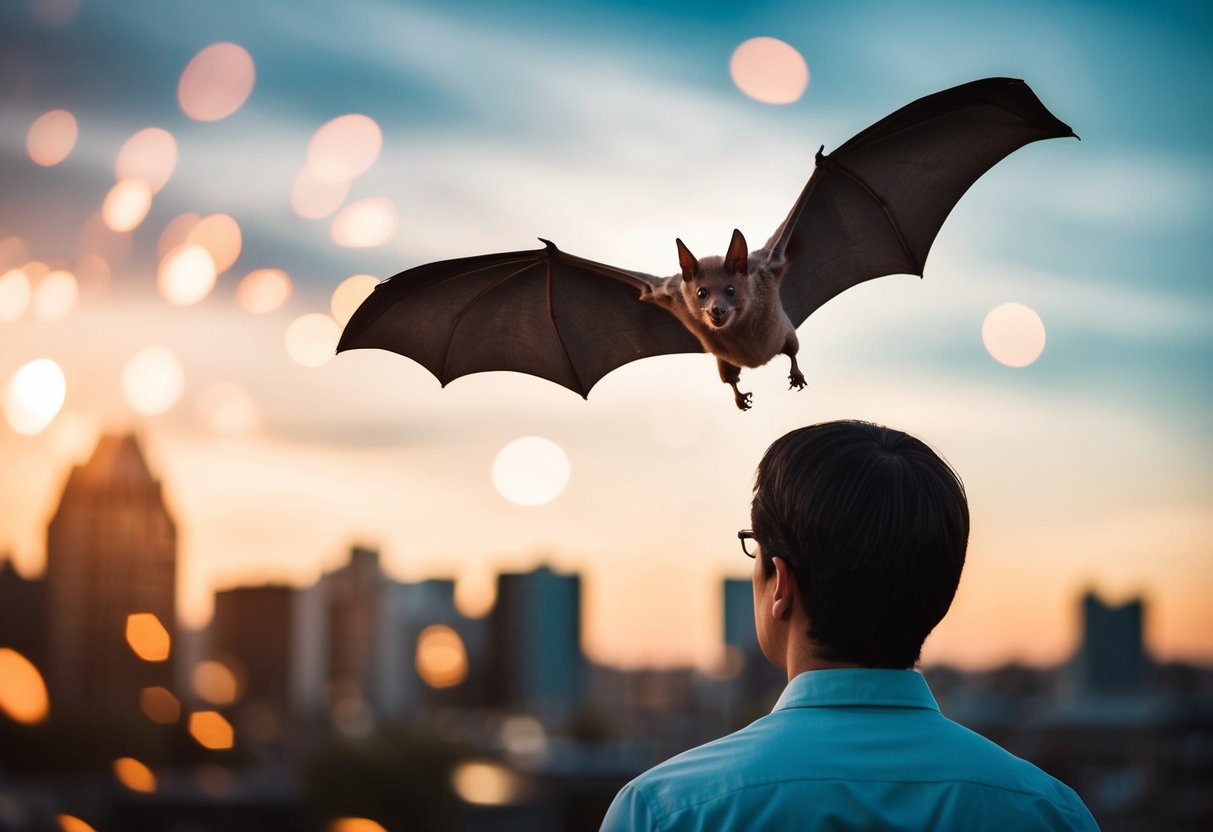
Many people have misunderstandings about bats and their behavior. It’s important to clarify these misconceptions to help you feel more at ease when encountering these fascinating creatures.
Debunking Myths About Bats and Attacks
A common myth is that bats are aggressive and will attack people. In reality, bats do not attack humans. When they fly close to you, they are usually just navigating their environment.
If a bat happens to brush against your hair, it is not trying to get tangled. It’s just a curious creature avoiding obstacles. The chance of a bat flying directly into you is very low. Most bats have excellent echolocation that helps them avoid collisions.
For the small number of bat bites reported, they usually happen when a bat feels threatened or cornered. Remember, bats are more interested in insects than humans!
Understanding Bat Swooping Behavior
Bats often swoop down near people as they hunt for insects. They have a unique way of detecting their food using echolocation, which allows them to sense movement very well.
When you see a bat swooping, it’s typically chasing after a bug and not aiming for you. The movement can be surprising, and it may seem like they are flying at your head, but they are skilled fliers.
If you find yourself outdoors at dusk, you might notice bats more frequently. They are active during the evening and can be seen darting around.
This behavior is completely natural and part of their feeding habits.


