Getting bitten by a bat can be alarming, but knowing what to do can make a big difference. If a bat bites you, seek medical attention immediately. Rabies, which is a serious risk associated with bat bites, should be checked by a healthcare professional. Bats can be carriers of this dangerous virus, and even minor bites can lead to potential health issues.
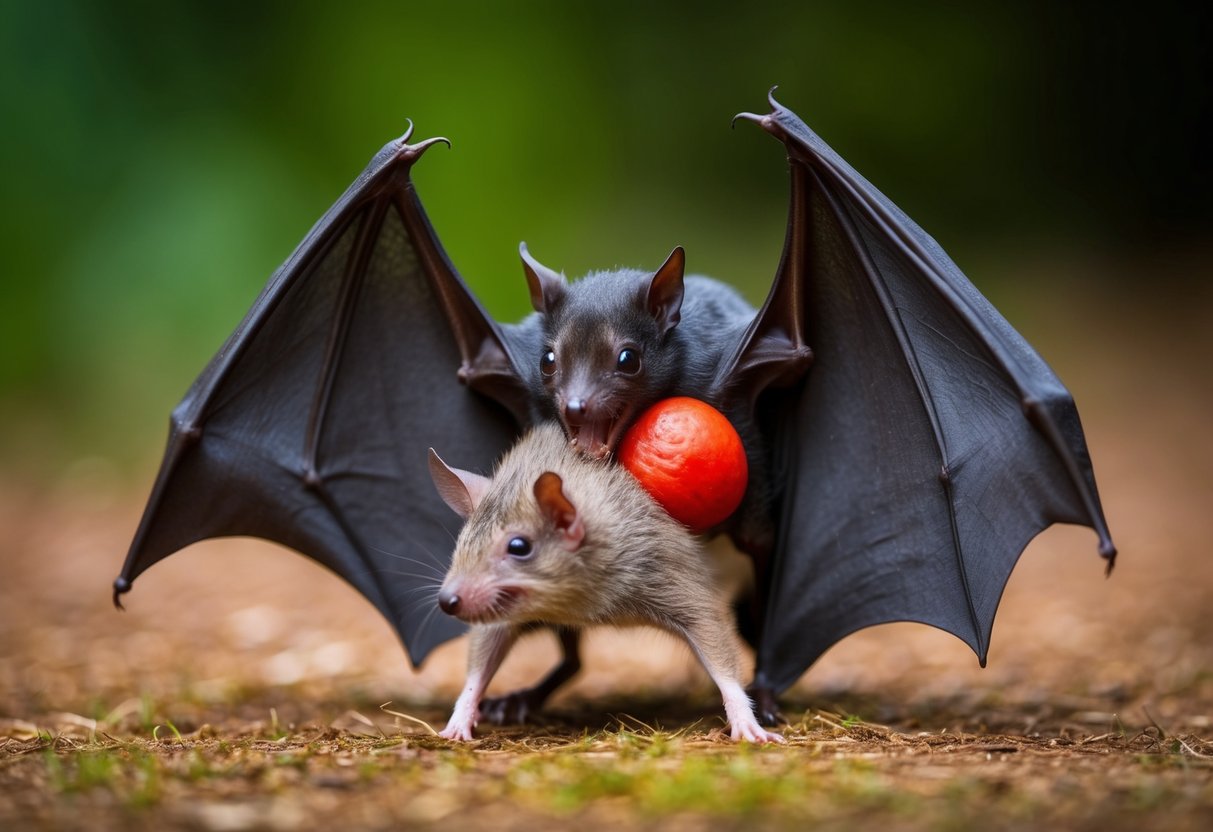
After a bite, it’s important to wash the wound thoroughly with soap and water. This helps reduce the risk of infection. Following this, reaching out to a healthcare professional for advice and possible treatment is crucial. They may recommend a rabies vaccination if needed, especially if the bat is not available for testing.
While bat bites are rare, understanding the potential risks can help you act quickly if it happens. Taking swift action not only protects your health but also gives you peace of mind.
Understanding Bat Bites
Bat bites can be concerning, especially when you consider the different species and their behaviors. Knowing the risks involved is essential for anyone who may encounter these creatures.
Different Bat Species and Their Behaviors
There are over 1,400 species of bats, each with unique behaviors. Two common types are brown bats and vampire bats.
- Brown Bats: These are often found in North America. They are generally not aggressive but may bite if threatened or handled.
- Vampire Bats: These bats feed on blood, primarily from livestock. Their bites can be more noticeable due to the puncture wounds they leave.
While most bats will avoid humans, some might bite if they feel cornered. Being aware of their habits can help you understand your risk of getting bitten.
Risks Associated with Bat Bites
The risks from bat bites can be serious. One major concern is rabies. This deadly virus can spread through a bat bite, even with small puncture wounds.
If you are bitten, seek medical help right away. Doctors usually recommend rabies postexposure prophylaxis (PEP) to prevent the infection. In some cases, the bat should be tested for rabies if it can be caught safely.
Other risks include infections from bacteria in the bat’s saliva. Always take bat bites seriously and monitor any symptoms that may arise after an encounter. Staying informed can help keep you safe.
Immediate Actions After a Bat Bite

If you have been bitten by a bat, it’s important to take immediate actions to protect your health and safety. Knowing how to handle the situation properly can make a big difference.
Capturing a Bat Safely
If you encounter a bat that bites you or someone else, try to capture it safely if possible. Use a thick, sturdy container, such as a large bucket or a cardboard box. Place the container over the bat while keeping your distance.
Once it’s enclosed, carefully slide a piece of cardboard underneath to trap the bat inside. Make sure not to handle the bat directly, as it may bite again.
After capturing the bat, contact local animal control for assistance. They can help determine if the bat needs testing for rabies. This information is important for your healthcare provider to know when you seek medical advice.
Seeking Immediate Medical Attention
After a bat bite, it’s crucial to seek medical attention right away. Wash the wound gently with soap and water for at least 15 minutes. This helps reduce the risk of infection.
After cleaning the bite, visit a healthcare provider as soon as you can. Your healthcare provider may recommend getting the rabies vaccine, especially if the bat is not available for testing. Remember, rabies can be deadly if not treated early.
Bring the captured bat, if possible, for testing. This information will help your doctor make the best decisions for your treatment plan. Taking these actions seriously can protect your health and ensure you get the right care.
Medical Evaluation and Treatment
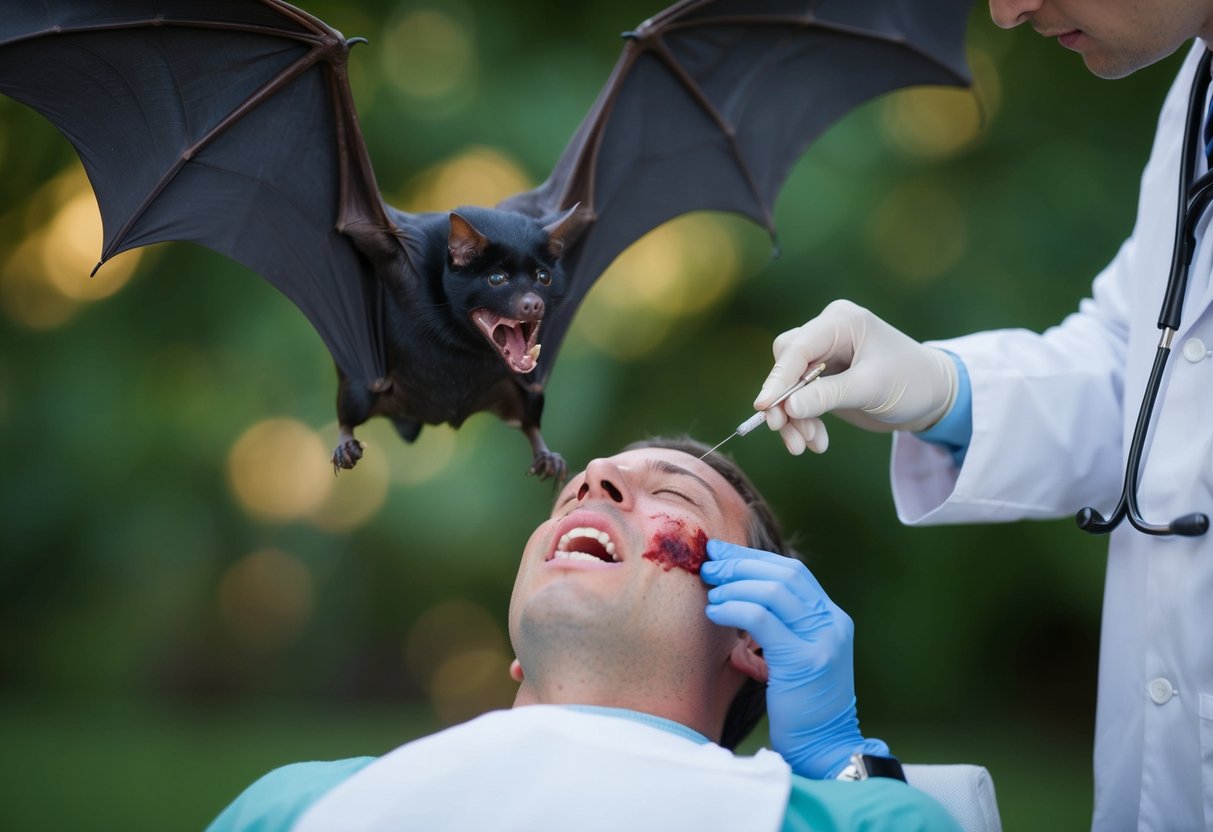
If a bat bites you, it’s essential to seek medical help right away. Evaluating the risk of rabies and starting treatment promptly can prevent serious complications.
Rabies Exposure Assessment
When you get bitten by a bat, medical professionals will assess your risk of rabies exposure. They will ask questions about the bite, such as where it occurred and the behavior of the bat. This step helps them determine if rabies testing is necessary.
If the bat is captured, it may be tested for rabies. If it tests positive, you will need immediate treatment. Even if the bat isn’t available for testing, it’s safer to treat the bite as a potential rabies exposure. Early intervention is crucial.
Post-Exposure Prophylaxis and Vaccination
Post-exposure prophylaxis is a preventive treatment for rabies. If there’s a risk of rabies after a bat bite, you will receive a series of rabies vaccinations and possibly rabies immune globulin.
The rabies vaccine is given in multiple doses over weeks. The immune globulin offers immediate protection. Following medical advice is important, as skipping doses can leave you vulnerable to the virus.
Always seek treatment as soon as possible after a bat bite. Your health is the priority, and prompt action is the best way to stay safe.
Prevention and Education
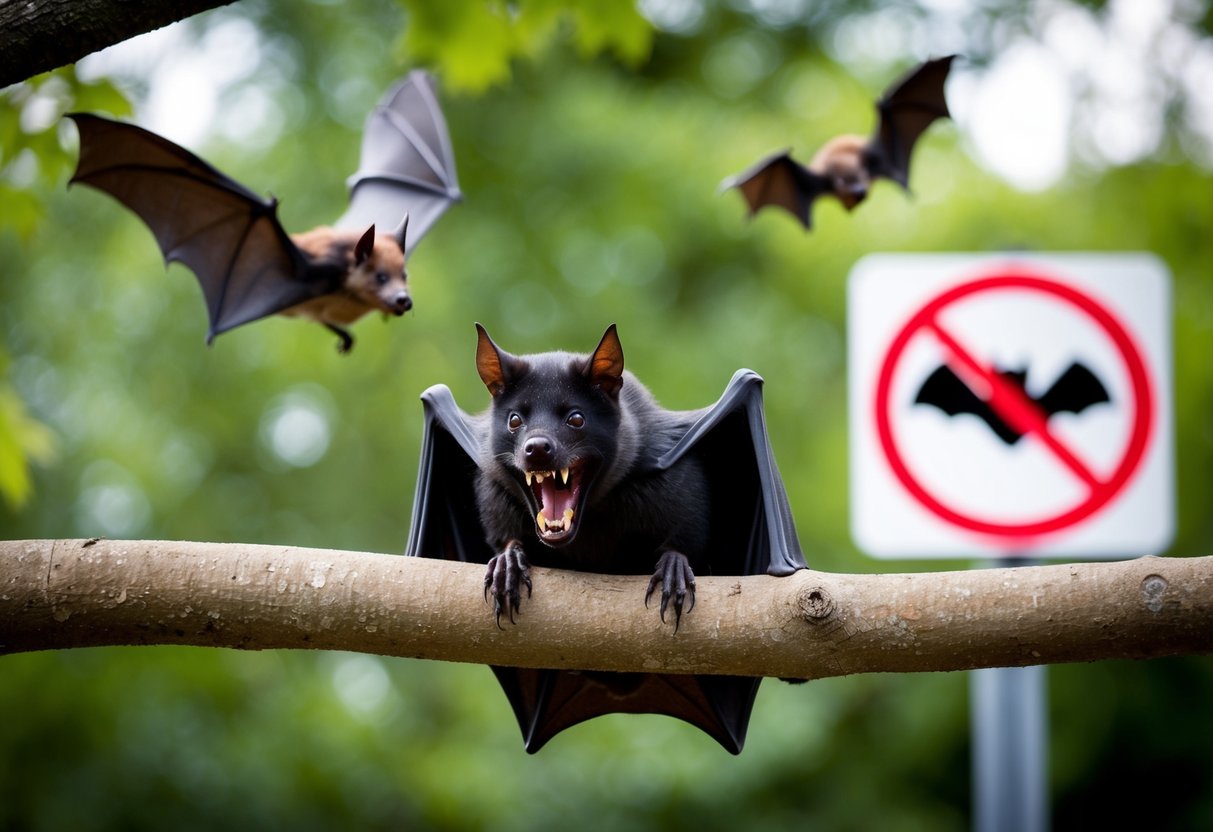
Knowing how to prevent bat encounters and understand the risks can keep you safe. Education is key in reducing both the chances of bites and the spread of diseases like rabies.
Avoiding and Reporting Bat Encounters
To minimize encounters with bats, avoid places where they roost, such as attics or caves. Use screens on windows and doors to keep bats outside. Seal cracks in your home to prevent access.
If you notice a bat in your living space, do not try to handle it. Instead, contact animal control or a health professional for safe removal. If bitten or scratched, wash the area with soap and water immediately. Seek medical attention to discuss the need for a rabies vaccination.
Remember that bat saliva can transmit infections, so it’s best to be cautious.
Educational Resources for Public Awareness
You can stay informed about bat behavior and what to do in case of an encounter. Resources from organizations like the CDC provide valuable information. Their site offers guidance on avoiding bats and understanding rabies risks.
Local health departments may also have materials on safely coexisting with wildlife. They often share educational programs to raise awareness.
Understanding diseases linked to bats, such as histoplasmosis and salmonella, is important too. This helps you appreciate the need for caution.
Knowing the signs of a rabid bat can save you from serious health risks.


