
Finding a baby bat on the ground can be a surprising and concerning experience. The best approach is to observe it closely from a safe distance and only intervene if it shows signs of distress or is clearly injured. It’s important to remember that baby bats often leave their nests before they’re able to fly, and their mothers might be nearby.

Your instincts might tell you to scoop it up and take it home, but many times, the best action is to leave it where it is. It’s crucial to check for signs that the bat needs help, like if it is cold or surrounded by flies. This article will guide you through the steps to take if you think the bat is in trouble and how to ensure its safety while respecting wildlife.
Initial Steps Upon Finding a Baby Bat

Finding a baby bat can be surprising and concerning. It’s important to know what to do to help the bat while staying safe yourself. Here are some specific steps to follow in this situation.
Assessing the Situation
First, check if the baby bat is injured or in distress. Look for signs such as closed eyes, weakness, or being cold to the touch. If the bat seems healthy and is roosting, it may not need immediate help.
Observe it from a safe distance. Use binoculars if needed. If the baby bat is on the ground and cannot fly, it is likely in need of assistance. In this case, contact a wildlife rehabilitator for advice on how to proceed. These professionals are trained in helping baby bats and can guide you through the best options for care.
Safety Precautions
When dealing with a baby bat, it is crucial to prioritize your safety. Avoid direct contact with the bat, as they can carry diseases.
If you must move the bat, wear thick gloves to protect yourself. Use a cloth or paper to gently scoop the bat into a small, ventilated container, like a shoebox. Make sure the container has soft material for comfort.
Keep the box covered and place it in a quiet area away from pets and children. This helps reduce stress for the baby bat while you seek help. Remember, your safety and that of the animal is the top priority.
Contacting Wildlife Professionals
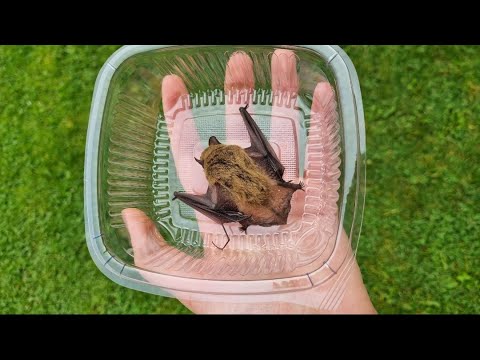
If you find a baby bat on the ground, it’s important to act quickly and responsibly. You should contact professionals who can provide the right care and ensure everyone’s safety. Here are two key options for reaching out for help.
Licensed Wildlife Rehabilitator
A licensed wildlife rehabilitator is trained to care for injured or orphaned animals. When you find a baby bat, contacting one should be your first step. They know how to handle bats safely and have the necessary equipment.
You can search online for a licensed wildlife rehabilitator in your area. Many states have directories that will help you locate one nearby. When you call, provide as much information as possible, including the bat’s condition and exact location.
These professionals can also give you advice on immediate steps to take while you wait for help. Their expertise greatly increases the chances of the bat’s survival.
Animal Control Officer
If a wildlife rehabilitator isn’t available, consider reaching out to an animal control officer. They can assist in managing wildlife situations in your area. Animal control officers are trained to handle various animals, including bats.
You can find your local animal control contact information through your city or county’s website. When you call, explain what you’ve found and provide details about the bat’s situation. They may be able to send someone to safely collect the bat.
Keep in mind that animal control officers can help with other wildlife concerns too. They usually have knowledge about local laws and regulations regarding wildlife.
Understanding Health Risks

Finding a baby bat on the ground can raise important health concerns. Awareness of rabies and its vector species is crucial in these situations, as they can affect both you and your pets.
Rabies Awareness
Rabies is a serious viral disease that can be transmitted through bites or scratches from infected animals. Bats are known carriers of the rabies virus. While not all bats carry rabies, it is vital to approach the situation with caution.
If a bat shows unusual behavior, such as being active during the day or appearing disoriented, it might be a sign of rabies. Always avoid direct contact with any bat you find. If you, your pet, or someone else is bitten, seek medical attention immediately. Rabies is preventable with prompt treatment, so it’s better to be safe than sorry.
Rabies Vector Species
Bats can be classified as rabies vector species, meaning they can spread the rabies virus to other animals and humans. The types of bats that commonly carry rabies include the little brown bat and the big brown bat.
While not all bats are infected, it’s wise to treat all encounters with caution. When you see a baby bat, consider whether adult bats are nearby since they could also pose health risks. If you suspect any health threat from a bat, report it to local wildlife authorities. They can help you manage the situation safely.
Aftercare and Rehabilitation

Finding a baby bat on the ground can be concerning. Proper aftercare and rehabilitation are essential for ensuring the bat gets the help it needs. Here are two key areas to focus on after you have rescued the bat.
Wildlife Clinics
If you find an injured bat, contacting a wildlife clinic is a strong step in its recovery. Wildlife clinics, such as the Tufts Wildlife Clinic, specialize in rehabilitating wild animals. They have trained staff who can evaluate the bat’s condition.
When you arrive, keep the bat in a dark, quiet container. This reduces stress. The clinic will provide necessary care, like fluids or medications, to help the bat heal. In addition, they will educate you on how to care for the bat during the rehabilitation process and may assist in finding a licensed wildlife rehabilitator.
Veterinarian Assistance
Wildlife veterinarians can also be a valuable resource. If a wildlife clinic isn’t nearby, local veterinarians can offer important help. A veterinarian can assess the injured bat and provide treatment options.
When you take the bat to a vet, ensure it is transported safely. Use a small box lined with soft cloth. Be prepared to give the vet information about the bat’s condition and any visible injuries. They can recommend follow-up care. They may also work with wildlife rehabilitators to ensure the bat receives the best support.


