
If you’ve ever wondered why dogs and foxes can’t mate, you’re not alone. Many people are intrigued by the idea of these clever animals producing offspring together. The answer lies in their significant genetic differences, which make interbreeding impossible. Though they share a family tree, dogs and foxes diverged millions of years ago, and their evolutionary paths led to distinct species.
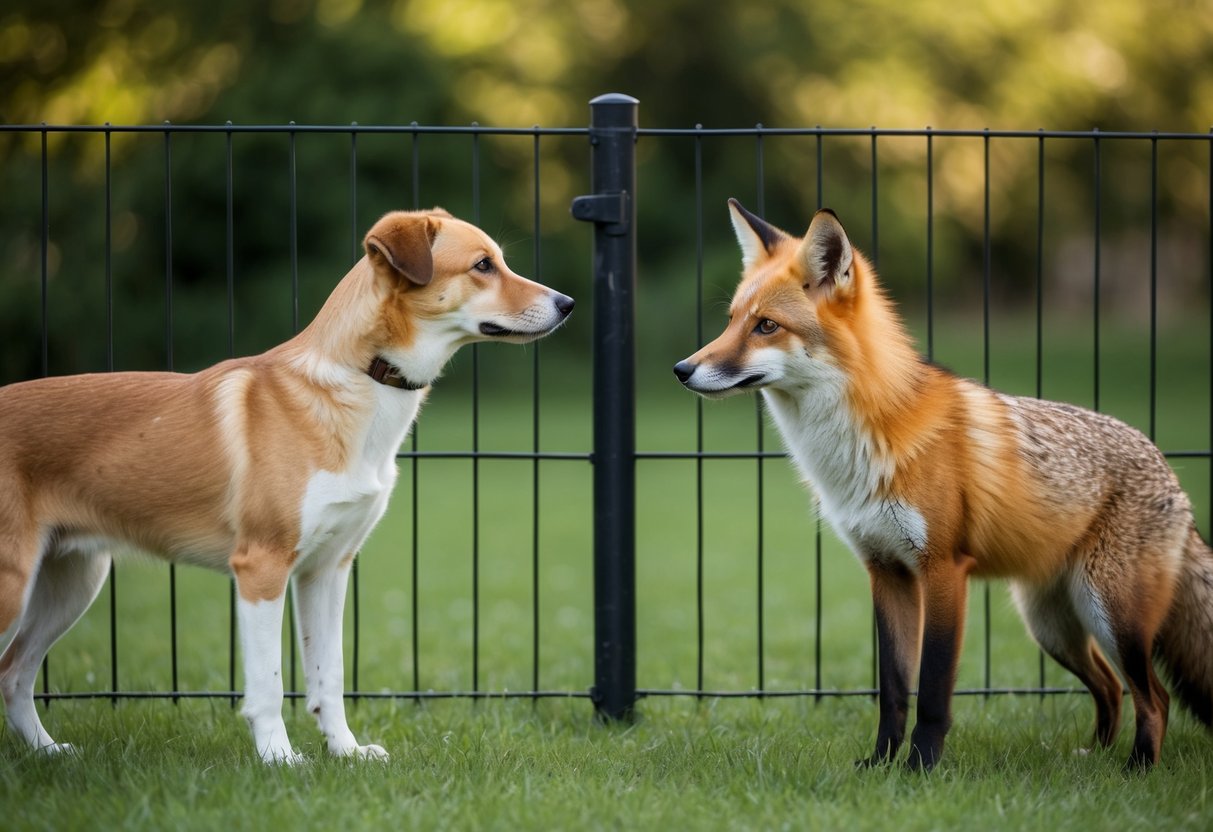
Dogs have 78 chromosomes, while foxes have only 34. This difference in chromosome number means that even if they attempted to mate, their reproductive cells wouldn’t align properly. You might have noticed some dogs that look a bit like foxes, but this resemblance is just skin deep. It doesn’t indicate any ability to cross-breed.
Understanding the reasons behind this genetic barrier can deepen your appreciation for these fascinating animals. Dive into the details of their unique characteristics and what truly sets them apart as you explore this curious topic further.
Understanding Species and Genetics
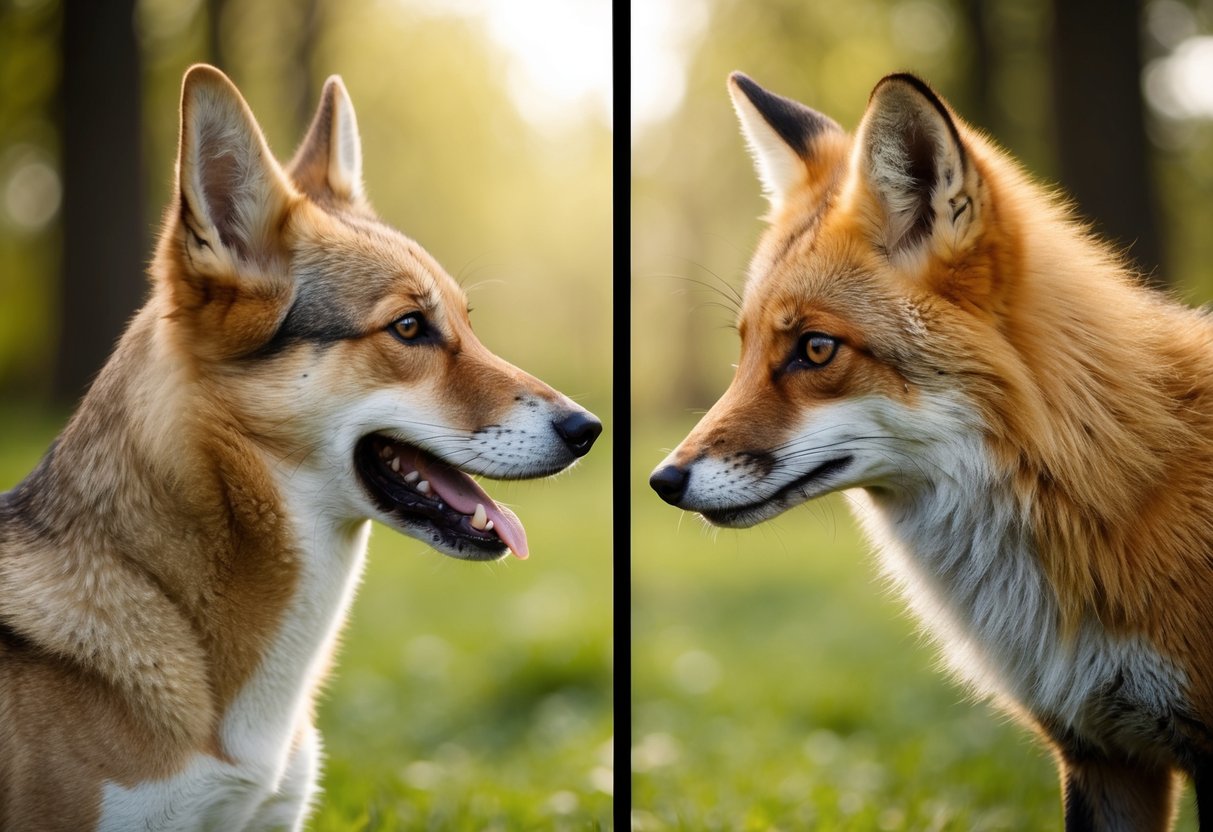
To grasp why dogs and foxes cannot mate, it’s essential to look at their classification and genetic differences. Understanding how they fit into the Canidae family and their unique chromosome structures explains their inability to interbreed.
Classification within the Canidae Family
Both dogs and foxes belong to the Canidae family, but they are categorized into different genera. Dogs fall under the genus Canis, which includes species like the domestic dog (Canis lupus familiaris) and wolves. Foxes belong to the genus Vulpes, with the red fox being a well-known example (Vulpes vulpes).
These classifications show that while they share a common ancestor, they have diverged significantly over time. The domestication of dogs has further separated their genetic paths from wild canids, like foxes. This evolutionary split plays an important role in their reproductive compatibility.
Species-Specific Chromosomes and Genetic Material
A major reason dogs and foxes cannot mate is the difference in their chromosomes. Dogs have 78 chromosomes, arranged in 39 pairs, while foxes have only 34 chromosomes, including some B chromosomes. This substantial difference means that their genetic material is not compatible for reproduction.
Successful mating and viable offspring require closely related species that share similar chromosome structures. In many cases, the genetic differences become barriers that prevent hybrids from forming. While some anecdotal reports suggest unusual hybrids, these instances are rare and not reliably executable across the species.
Barriers to Hybridization
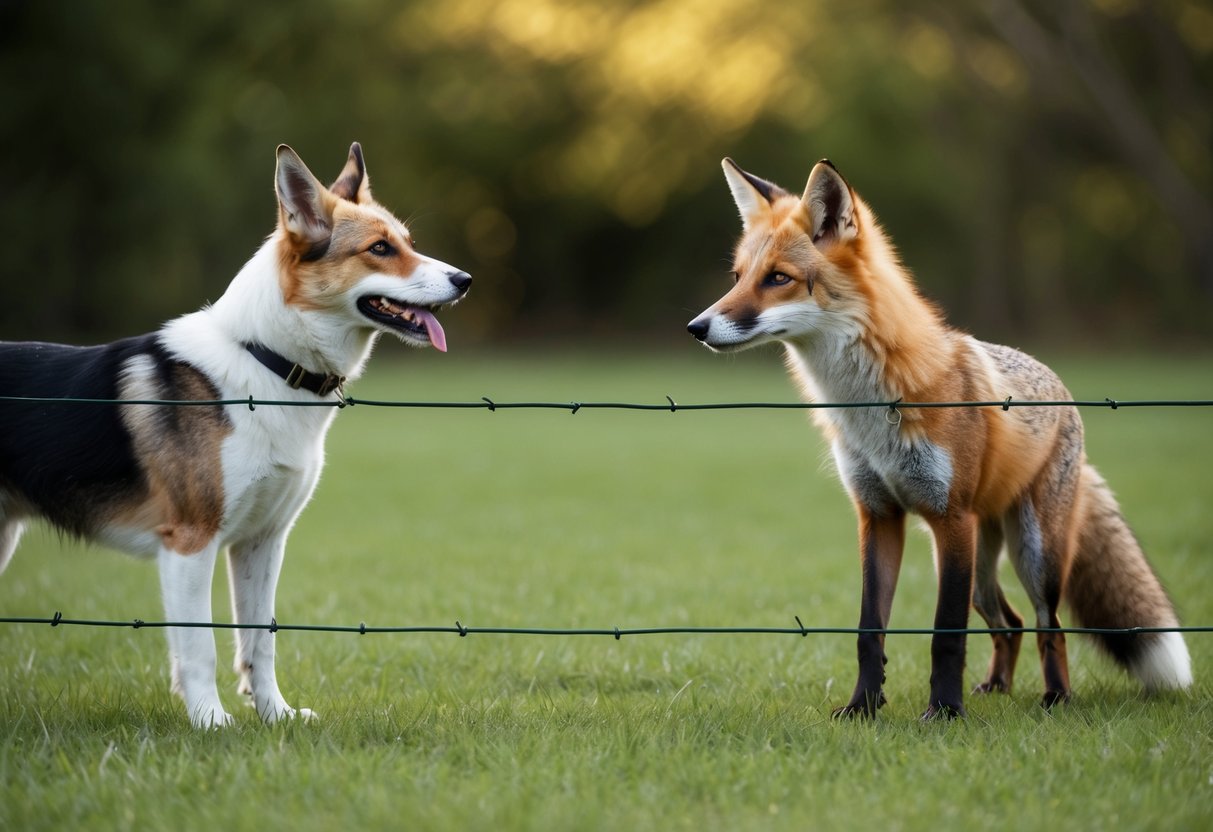
When considering why dogs and foxes can’t mate, there are significant barriers that prevent successful hybridization. These include genetic incompatibilities and behavioral differences that affect social interactions and mating habits.
Genetic Incompatibilities
Genetic differences are a major barrier to hybridization between dogs and foxes. They belong to different genera: dogs are from the Canis genus, while foxes fall under Vulpes.
This distinction leads to different numbers of gametes. For example, dogs have 39 chromosomes, while most foxes have only 34. When animals can’t align their genetic materials properly, it becomes impossible for them to create viable offspring, commonly referred to as hybrids.
Even if mating occurs, the chances of producing healthy hybrids are extremely low due to these incompatibilities. This means the sperm from a dog is unlikely to fertilize a fox’s eggs, leading to unsuccessful interbreeding.
Behavioral Differences and Social Behavior
Behavior also plays a crucial role in preventing hybridization. Dogs are domesticated and have social structures that differ greatly from the wild instincts of foxes.
Foxes are generally more solitary and have unique mating patterns centered around their wild lifestyles. This can lead to misunderstandings during mating seasons.
Dogs, on the other hand, are trained and bred for specific behaviors and social interactions. Their social behavior tends to be more community-oriented, which doesn’t align with the independent nature of foxes.
These behavioral differences make it unlikely for the two species to engage in mating rituals successfully. Even if they do come together, the chances of forming a bond necessary for breeding are minimal.
Cases of Canid Hybridization

Canids, including dogs, wolves, foxes, and coyotes, can sometimes interbreed. These cases reveal fascinating aspects of their genetic similarities and differences.
Historical Instances of Canid Cross-Breeding
Throughout history, there have been various instances of canid hybridization. In some parts of the world, wolves and dogs have produced hybrids known as wolfdogs. These animals often exhibit traits from both parents, like size and temperament.
Jackals can also interbreed with domestic dogs, leading to unique hybrids. These instances demonstrate that dogs share a significant amount of genetic material with other canids, making cross-breeding possible.
In some situations, foxes and dogs have been seen to hybridize, though these cases are rarer. Notable hybrids include dog-fox hybrids. Such combinations reflect the adaptability and genetic diversity of these animals.
Contemporary Understanding of Canid Hybrids
Recently, there has been a growing interest in canid hybrids. A notable case is the discovery of a female hybrid between a pampas fox and a domesticated dog, known as Dogxim. Genetic analysis revealed that this hybrid had 76 chromosomes, showing its mixed lineage.
Additionally, the rise of coydogs—hybrids between coyotes and domestic dogs—illustrates how human activities influence interbreeding. As urban areas expand, wild canids come into closer contact with domesticated ones.
Understanding these hybrids helps scientists learn more about the potential risks to wildlife and conservation efforts. It also highlights how adaptable canids can be when faced with changing environments.
The Role of Domestication in Canid Breeding
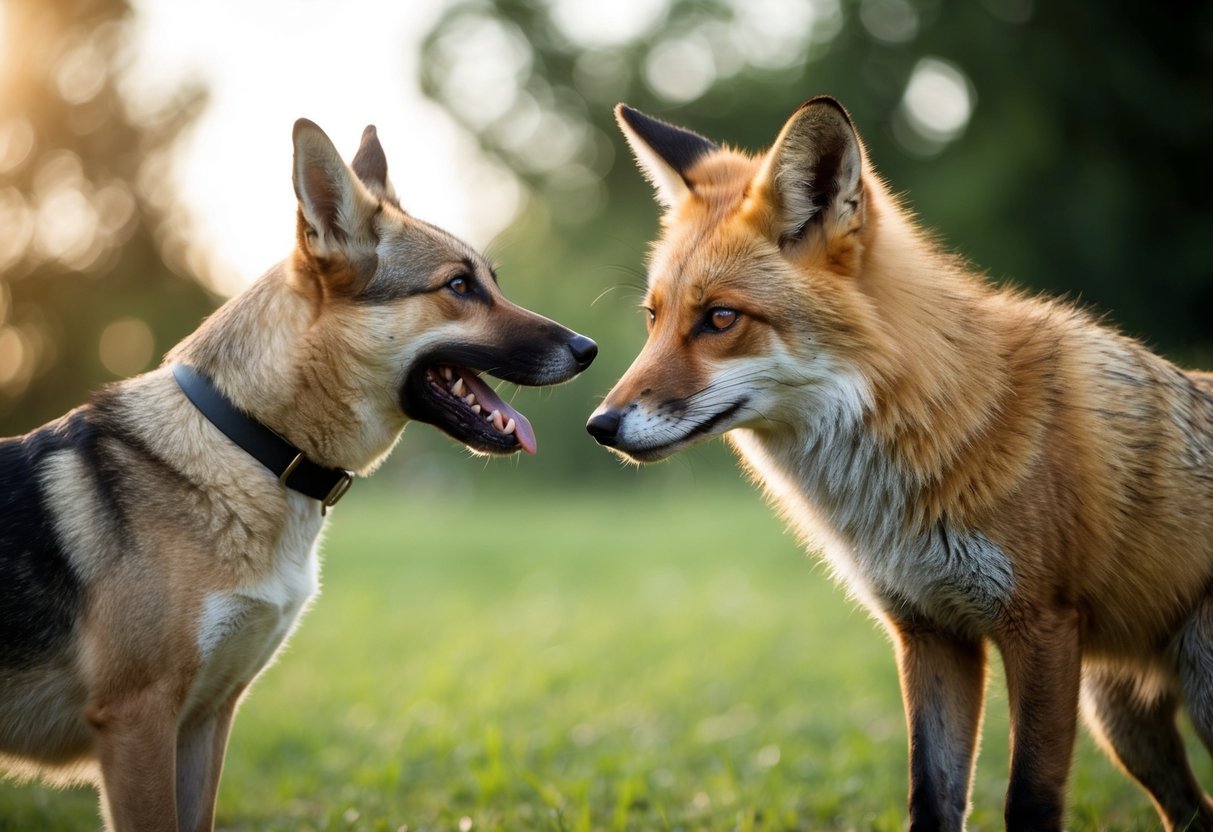
Domestication has greatly influenced the breeding of canids, shaping their behavior and genetics. Understanding how domestic dogs and foxes have evolved helps clarify their differences in breeding.
Domestic Dogs and Their Breeds
Domestic dogs come in a wide variety of breeds, each with unique characteristics. Breeds like the Chihuahua, known for their small size, and the Shiba Inu, with their fox-like appearance, have distinct traits that result from specific breeding practices.
Other breeds, such as the Finnish Spitz and Basenji, were bred for particular tasks like hunting or herding. These breeding choices have made domestic dogs highly adaptable to human needs. This adaptability, along with controlled breeding, allows for a range of behaviors and appearances among breeds. With deep lineage, these dogs have genetic diversity within their breeds but are still part of the same species, Canis lupus familiaris.
Fox Domestication and Its Challenges
Foxes, particularly the silver fox in domestication experiments, offer intriguing insights into canid behavior. Taming foxes is much more challenging than domesticating dogs due to their wild roots. Breeding efforts have shown some success, but domesticated foxes like the fennec fox still retain many wild traits, including strong survival instincts.
Differences in breeding practices can lead to behavioral variations. For example, a schipperke may be friendly and eager to please, but a tame fox might still exhibit wariness and unpredictable behavior. These traits highlight the complexities involved in domestication.
Breeding foxes for temperament and traits over several generations has proven difficult, with results that can sometimes diverge significantly from domesticated dogs. Understanding these concepts sheds light on why dogs and foxes cannot easily mate.


