
If you’ve ever wondered about the safety of your pets around foxes, you’re not alone. Many pet owners are curious about whether foxes will go after cats or small dogs. The good news is that, in most cases, foxes avoid these pets altogether, especially in urban areas where they are used to people.
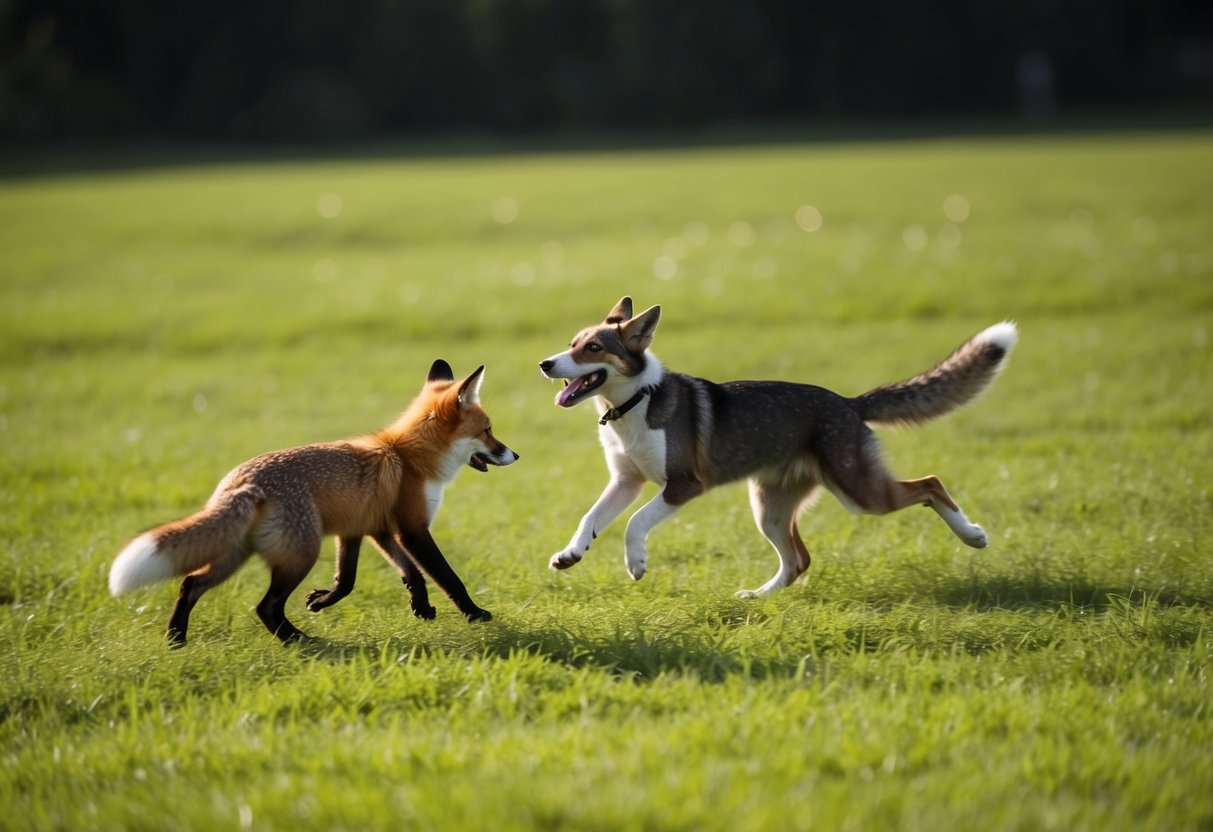
Foxes are generally shy animals that prefer to steer clear of larger creatures. They usually see pets like cats and dogs as threats rather than prey. However, certain factors can change this behavior.
For example, very small dogs or unattended kittens might catch a fox’s attention, especially if they are outside in a natural habitat during feeding hours.
Understanding fox behavior can help you keep your pets safe. Knowing when and where foxes are active can guide you in making decisions about outdoor supervision for your pets. So, let’s take a closer look at these clever creatures and how you can protect your furry friends.
Fox Behavior and Encounters with Pets
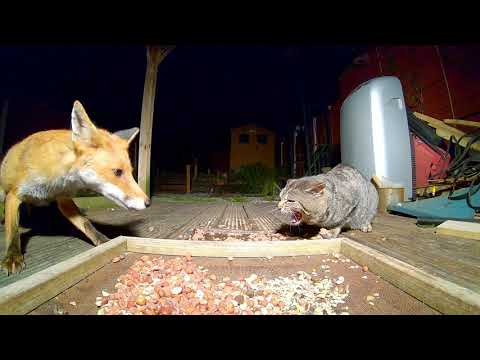
Foxes are curious and adaptable animals. Understanding their behavior can help you keep your pets safe during encounters. It’s important to know how your cats and dogs might react when they cross paths with these wild creatures.
Understanding Fox Encounters with Cats and Dogs
Foxes typically avoid domestic pets, but they can view smaller animals as potential prey. If your cat roams outdoors, it may attract a fox’s attention, especially if it’s in a quiet area.
Encounters can happen more often in suburban settings where foxes have adapted to humans. Instincts play a big role. Domestic cats are agile and can escape, but it’s wise to keep them indoors, especially at night when foxes are more active.
For small dogs, caution is essential. Although attacks are rare, their size may make them more vulnerable. Always supervise your pets when outside to minimize risks.
The Importance of Size and Territory
Size matters when it comes to encounters. A large dog might intimidate a fox, while a small dog could provoke curiosity or even aggression.
Foxes are territorial animals. They mark their areas and can be protective of their space, especially during breeding season. If you live near a fox habitat, consider a secure area for your pets.
Keeping dogs on leashes during walks can prevent unexpected encounters. If you spot a fox, calmly move your pet away. This approach helps maintain a safe distance and keeps your pets from feeling threatened.
Safety Concerns and Preventative Measures

Keeping your pets safe from potential threats, like foxes, is important. Knowing how to deter foxes and protect your domestic animals can give you peace of mind. Let’s explore some effective strategies to ensure the safety of your furry friends.
Deterrence Strategies for Foxes
To keep foxes away from your yard, consider implementing several deterrent strategies. Start by securing your trash bins with tight-fitting lids. Foxes are opportunistic scavengers and will rummage through loose garbage.
Remove any attractants, such as pet food or bird feeder remnants. It’s best to avoid leaving food outside, as this can draw foxes into your area.
Planting thorny bushes around the perimeter of your yard can also act as a natural barrier. Additionally, motion-activated lights and sprinklers can startle foxes and discourage them from entering your space.
If you spot a fox in your yard, make noise to scare it away. Keep in mind that foxes are generally shy, so a little commotion often leads them to leave.
Protective Measures for Domestic Cats and Dogs
Your pets’ safety is paramount. Keeping your cats indoors is one of the most effective ways to protect them from fox attacks. This practice also shields them from diseases and other risks.
For dogs, consider using a leash when walking them, especially in areas where foxes are present. Training your dog to respond to commands can help maintain control during outings.
Building a secure outdoor enclosure can give your pets a safe space to enjoy the outdoors without risk. Ensure the fence is tall and buried a few inches underground to prevent digging.
Additionally, avoid leaving your pets unattended outside, especially at dawn and dusk when foxes are most active. Taking these protective measures can significantly reduce any potential conflicts with wildlife.
Fox Attacks: Risks and Responses

Foxes may pose a risk to your pets, especially dogs and cats, under certain conditions. Understanding the potential for fox attacks and knowing how to respond can keep your pets safe.
Dealing with a Fox Attack on a Pet
If a fox attacks your pet, it’s important to respond quickly and carefully. First, try to scare off the fox by making loud noises or shouting. Use nearby objects to throw at the fox, but avoid harming it unnecessarily.
Check your pet for injuries immediately after the encounter. If your pet is hurt, contact your veterinarian right away. They can assess any wounds and provide necessary care.
You can also prevent future incidents by making sure your yard is secure. Installing fencing can help keep foxes away. It’s essential to monitor your pets when they are outside, especially at dawn or dusk, when foxes are most active.
Understanding the Risk Factors for Fox Attacks
Fox attacks are more likely to occur when food is scarce. If natural prey is low, foxes may seek alternative food sources. This can include pets, especially smaller dogs or young kittens.
Time of day plays a crucial role as well. Foxes are usually active at night or early morning. Keeping your pets indoors during these times can greatly reduce their chances of encountering a fox.
Another factor is the presence of food sources in your yard. Ensure that you don’t leave pet food outside and secure trash cans. These actions can help deter foxes from visiting your property and reduce the risk of an attack.
Urban Foxes and Their Interactions with Domestic Animals
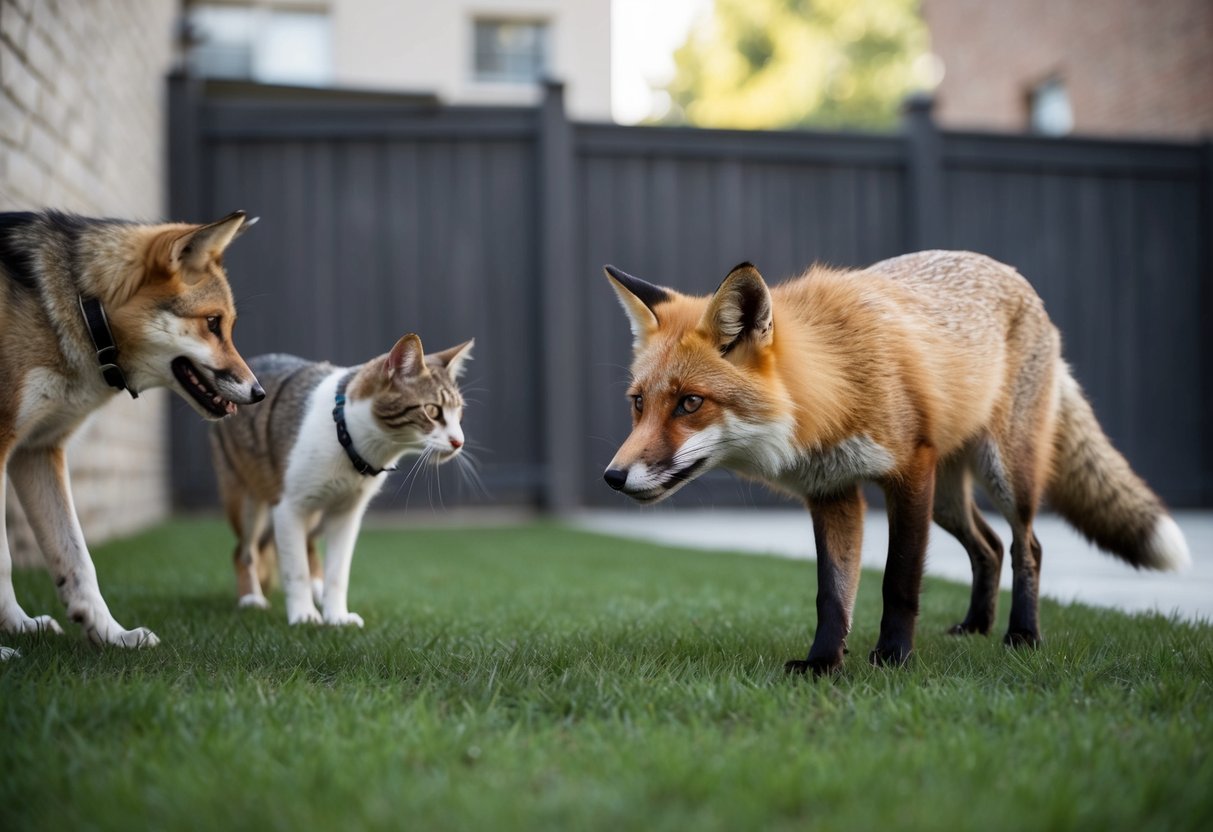
Urban foxes have become a common sight in many cities. They adapt well to the urban environment, often coming into contact with domestic animals like cats and small dogs. Understanding their behaviors can help you protect your pets from potential threats.
Adapting to Increased Fox Populations in Cities
Fox populations have been increasing in urban areas due to factors like abundant food sources and shelter. They are opportunistic feeders, often scavenging for food in gardens, parks, and trash bins. This adaptation makes them quite skilled at living near humans.
As a result, you may notice foxes exploring your yard, especially at night. While they typically avoid confrontation, they can become curious about small pets. Ensuring your yard is secure can help minimize risks.
Some tips to keep in mind include:
- Secure garbage bins to reduce food sources.
- Close off entry points to under decks or sheds where foxes might hide.
- Supervise outdoor time for smaller pets, especially at dusk and dawn.
Foxes and Small Mammals as Prey
Foxes primarily target small mammals. They may also see domestic cats and small dogs as potential prey, especially if their natural food sources are limited. Foxes are agile hunters. They use stealth to approach their targets.
Mother foxes with cubs are particularly vigilant as they seek food for their young. If you have a cat or a small dog, it’s essential to keep them safe.
Here are some protective measures you can take:
- Keep cats indoors during peak activity hours for foxes.
- Use leashes for small dogs when walking in neighborhoods known for fox sightings.
- Provide secure shelter for your pets in your yard.
By being proactive, you can help ensure that your pets stay safe from encounters with urban foxes.


