
If you’ve ever spotted a fox in your backyard and wondered how it interacts with your cat, you’re not alone. Many pet owners share the same concern about whether foxes pose a threat to their feline friends.
Typically, foxes leave cats alone and do not see them as prey. They are more likely to avoid confrontation with cats, especially if they sense the cat is not a threat.
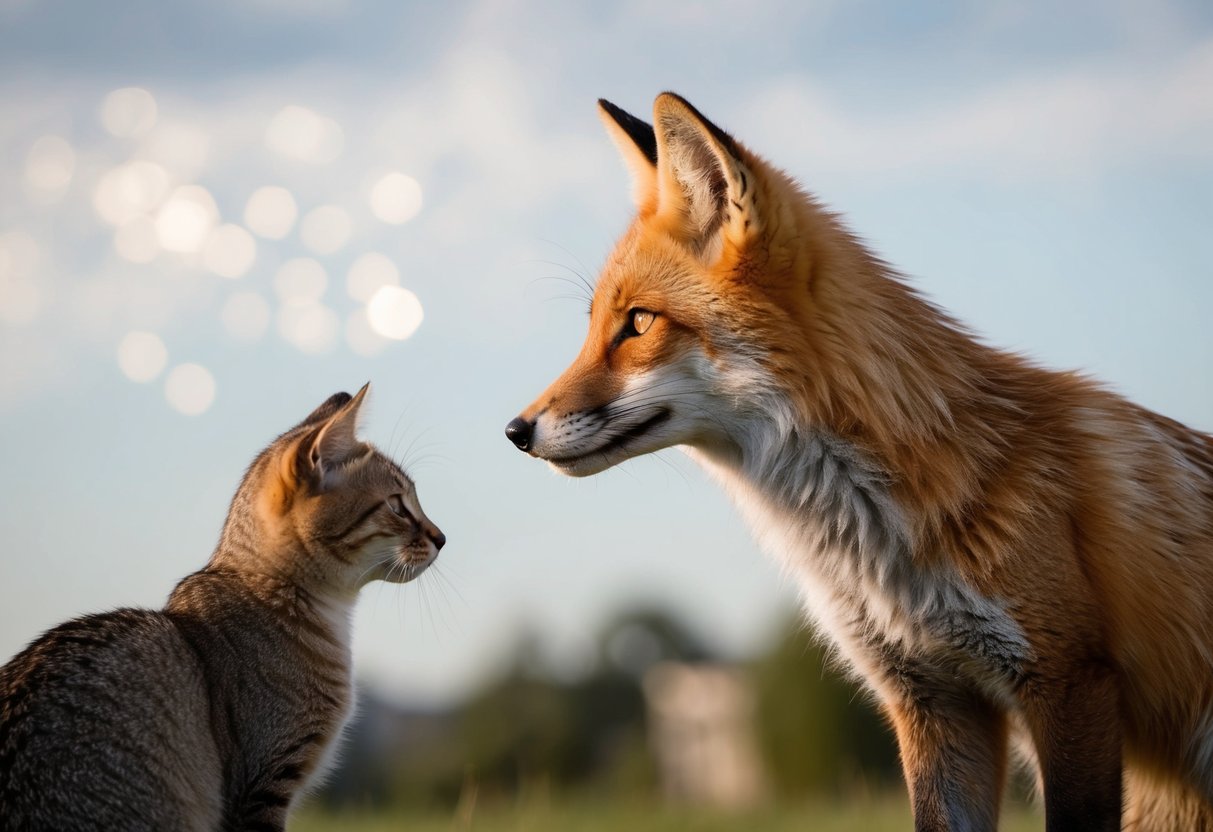
Understanding the behavior of foxes can help ease your worries. Foxes are solitary animals, often keeping to themselves and focusing on their natural prey.
You might even find that your cat can roam freely in areas where foxes are present, as long as they don’t get too close to a fox’s den or young kits.
Reading more about the relationship between foxes and cats will give you a better perspective on this wildlife situation in your neighborhood. Whether you’re curious about how to coexist or simply want to know more about these fascinating creatures, you’ll find plenty of interesting insights ahead.
Understanding Fox Behavior

Foxes have unique behaviors that revolve around their natural habits, diet, and interactions with other animals. Recognizing these characteristics will help you understand how foxes relate to their environment and the other wildlife around them.
Natural Diet and Prey
Foxes are opportunistic hunters with a varied diet. They primarily hunt small mammals like rabbits, rodents, and birds. This preference stems from their size and hunting style, which favors smaller, less risky prey.
While foxes can chase small animals, including cats, they usually avoid pets they know are not easy targets. Their instinct is to minimize risk during hunts.
In urban settings, foxes may also scavenge for food. They adapt their eating habits based on available resources, which can sometimes include leftover pet food or trash. This adaptability plays a key role in their survival as wildlife increasingly interacts with human environments.
Territorial Habits
Foxes establish territories that they actively defend. These territories help them secure a consistent food supply and space to raise their young. They often mark their territory using scents to communicate with other foxes.
Territory size can vary greatly based on habitat and food availability. In urban areas, their range may be smaller due to limited space. Still, foxes maintain a keen awareness of their surroundings and will monitor other animals that wander close to their territory.
While foxes can be territorial, they generally prefer non-confrontational encounters. This behavior reduces the risk of injury and helps them stay safe from larger predators.
Interaction with Wild Animals
Foxes are social in certain contexts. Young foxes, or kits, may play and interact with siblings, which helps them develop important survival skills. Although they are primarily solitary, they do establish friendships for short periods during mating seasons.
When it comes to interacting with other wild animals, foxes often keep their distance. They are cautious and will avoid confrontations with larger predators like coyotes or domestic dogs. This behavior showcases their survival instincts and preference for safety in their environment.
Foxes in the Urban Environment
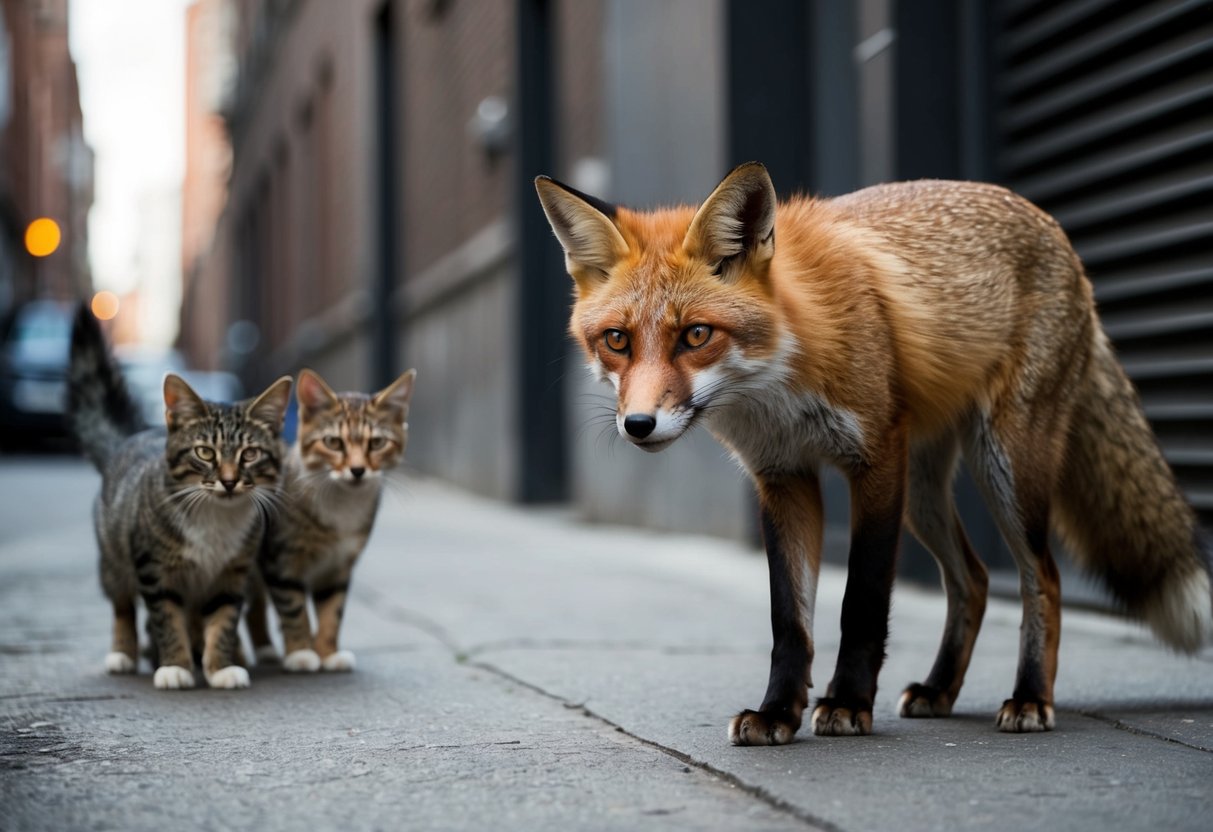
Urban foxes are adapting well to city life, often visiting neighborhoods and gardens. Understanding their behavior can help you feel more secure about your pets.
Urban Fox Behavior
Urban foxes are often seen at night as they search for food. They can be quite resourceful and take advantage of leftovers from human activities. These foxes are more accustomed to people than their rural counterparts.
You might notice them exploring your yard, looking for scraps or small animals. Their diet usually includes rodents, insects, and food scraps. While they are generally shy, their adaptability helps them thrive in urban settings.
Many people wonder about fox attacks. Generally, foxes do not see humans or larger pets as threats. They are more likely to avoid confrontations and stick to scavenging.
Foxes and Domestic Pets
When it comes to your domestic pets, especially cats, urban foxes usually leave them alone. Studies show that foxes typically do not attack cats for food. They are more interested in small animals they can easily catch.
However, it’s important to use caution. Keep an eye on your pets, particularly when they’re outside at night. If your cat is small, they might find themselves in a more vulnerable position.
Pets like guinea pigs are at risk if left unattended in gardens. Urban foxes can be clever and may view them as prey. To keep your pets safe, consider using secure enclosures and supervise outdoor time.
Risks Posed by Foxes to Cats
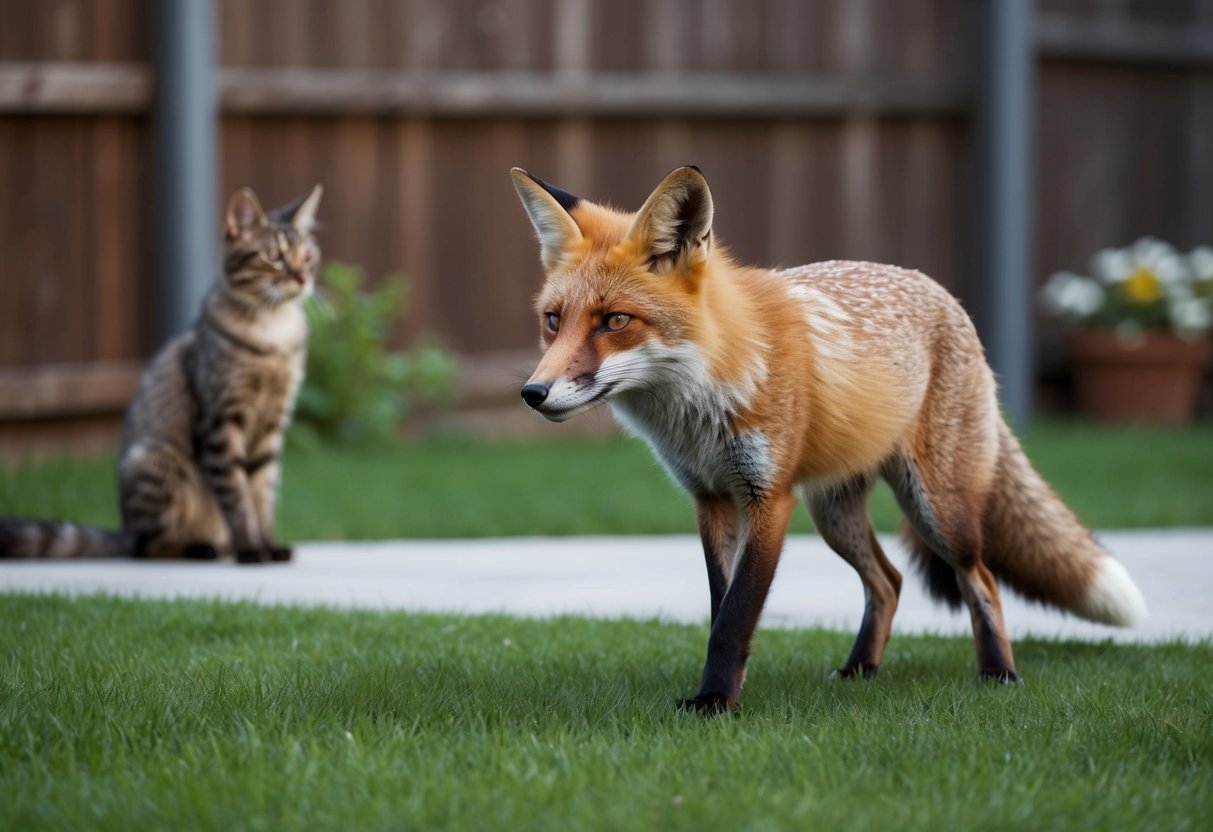
Understanding the risks that foxes can pose to your cats is important for their safety. While foxes are generally not a threat, certain situations can lead to dangerous encounters. Here are the main concerns regarding these interactions.
Predator Versus Prey Dynamic
Foxes are opportunistic hunters, and while they usually prey on smaller mammals, they may see cats, especially kittens, as potential targets. This dynamic becomes more pronounced when food is scarce. If you have outdoor cats, they may attract unwanted attention from foxes.
In many cases, a fox may stalk a cat, leading to a chase. Cats are more agile, but if a fox is determined, it could potentially injure or scare your cat. Always supervise your pet when they are outside, particularly at dawn or dusk, when foxes are most active.
Protecting Kittens and Smaller Pets
Kittens and smaller pets are at greater risk from foxes. Their small size makes them more vulnerable to predation. If you own chickens or other small animals, be mindful that foxes might also target them when considering their hunting habits.
To keep your kittens safe, consider creating a secure play area. Enclose it with a fence and ensure it’s well-maintained. Avoid letting small pets roam outside unsupervised, especially during times when foxes are more likely to be active.
Transmission of Diseases and Parasites
Foxes can carry various diseases and parasites that may affect your cats. One of the more common parasites is sarcoptes scabiei, which causes scabies. Fleas and mites can also be a concern, leading to skin problems and discomfort for your cat.
Regular visits to the veterinarian can help you monitor your cat’s health and keep vaccinations up-to-date. This way, you can protect your pet from potential illnesses. Keeping your cat indoors or in a controlled environment can also reduce the risk of exposure to these diseases and parasites.
Coexisting with Foxes

Living near foxes can be a unique experience. Understanding their behavior and taking steps to protect your pets can help you coexist peacefully with these clever creatures.
Safeguarding Backyard Animals
To keep your backyard animals safe from foxes, it’s important to secure their living spaces. If you have small pets, such as house cats or rabbits, make sure they are kept indoors, especially at night.
When letting your pets outside, supervise them closely. Foxes are typically more active during the evening and early morning. Ensuring your yard is fenced can create a barrier and decrease the chances of a fox entering.
You can also avoid attracting foxes by managing food sources. Secure trash cans and avoid leaving pet food outside. If you have poultry or small animals, provide a protected area where they can stay safe from potential fox visits.
Fox Dens and Reproduction
Foxes, particularly red foxes, often create dens for their young. These dens, or burrows, are usually found in wooded or bushy areas.
During spring, foxes give birth to kits, also known as cubs, which stay in the den for several weeks.
If you see a den near your property, be cautious. Keep your distance, as the mother fox may become protective. While fox kits are playful and curious, they can also be skittish.
Observe from a safe distance to ensure both you and the fox family feel secure.
If you’re concerned about foxes near your home, consider creating a balance by keeping your pets safe and allowing nature to take its course.


