
Raccoons are often seen rummaging through trash cans or getting into gardens, leaving a trail of mischief in their wake. Their mischievous behavior stems from their intelligence and curiosity. These nocturnal animals explore and interact with their surroundings in clever ways. Living in urban and suburban areas has only fueled their adventurous spirits, allowing them to adapt and thrive alongside people.

You might find it fascinating that raccoons have a knack for problem-solving. They can figure out how to open containers and access food, which is part of what makes them so entertaining to watch. It’s this mix of cleverness and a playful nature that endears them to many, even as they cause some headaches for homeowners.
As you delve deeper into the world of these mischievous creatures, you’ll discover what drives their antics. Understanding their behaviors can help you appreciate their role in the ecosystem, and perhaps even keep your garden a little safer from their curious paws.
Raccoon Characteristics

Raccoons are fascinating creatures with unique traits that make them both playful and resourceful. Their physical adaptations, cognitive skills, and feeding habits all contribute to their mischievous behavior and adaptability in various environments.
Physical Adaptations
Raccoons have distinctive physical features that enhance their survival. They possess black fur around their eyes, giving them a “mask” look, which helps reduce glare and improves their night vision. This adaptation is crucial since raccoons are primarily nocturnal.
Their dexterous paws and opposable thumbs allow them to manipulate objects easily. These features enable raccoons to open containers, forage for food, and explore their surroundings effectively. Additionally, they have powerful claws that assist them in climbing trees and digging for insects or other food sources.
Cognitive Skills
Raccoons are known for their impressive intelligence. They can remember tasks and locations for extended periods, which aids in their foraging efforts. With a good memory, they can recall where they found food or how to access a specific location.
Their problem-solving abilities are notable. Raccoons can solve puzzles and navigate complex situations to find food or escape hazards. This intelligence makes them adaptable to various habitats, from urban areas to forests. Their curious nature often leads them to investigate new environments and learn from their experiences.
Diet and Feeding Habits
As omnivores, raccoons have a varied diet that includes fruits, nuts, insects, fish, and even eggs. They are opportunistic feeders, meaning they will eat whatever food is available in their surroundings.
Foraging is a key behavior for raccoons. They actively search for food at night and are known to raid trash cans when food sources are scarce. Their adaptability allows them to thrive in both rural and urban settings by utilizing different food options. This flexibility in diet contributes to their playful and sometimes mischievous reputation.
Raccoons in Human Environments
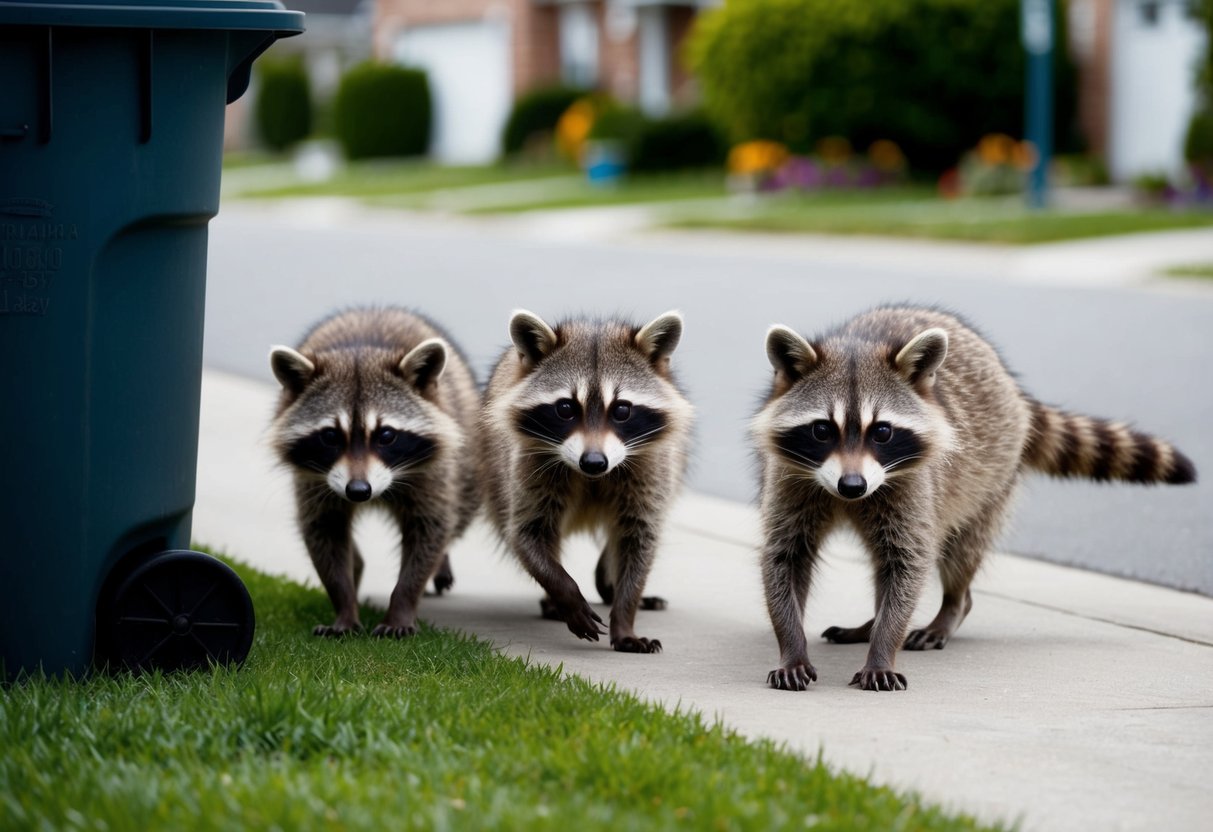
Raccoons have adapted well to urban settings, leading to frequent interactions with people. Their intelligence and curiosity drive them to explore local neighborhoods, often leading to amusing and sometimes troublesome encounters.
Scavenging and Trash Pandas
You may have heard raccoons referred to as “trash pandas” because of their talent for scavenging. They are smart creatures that easily find ways to open garbage cans. Their dexterity allows them to rummage through trash for food. Common items they search for include leftovers, pet food, and anything appealing.
Urban areas provide many opportunities for raccoon foraging. They often raid commercial dumpsters and backyards seeking easy meals. This behavior can lead to property damage, as they may knock over bins or tear into bags. While it might be entertaining to watch these clever bandits, it’s important to secure your trash to avoid attracting them.
Interactions and Impact
Raccoon interactions with humans can sometimes lead to problems. While they are generally harmless, they can be territorial. This behavior may result in conflicts if they feel threatened near their dens or food sources.
You should be aware of the diseases they can carry, such as rabies and leptospirosis. Keeping your distance from raccoons is wise, especially if they appear sick or aggressive.
Raccoons can also become pests in urban setups. Their presence may cause issues like damage to gardens or vehicles. Understanding their behavior can help you coexist peacefully with these intelligent creatures.
Understanding Raccoon Behavior
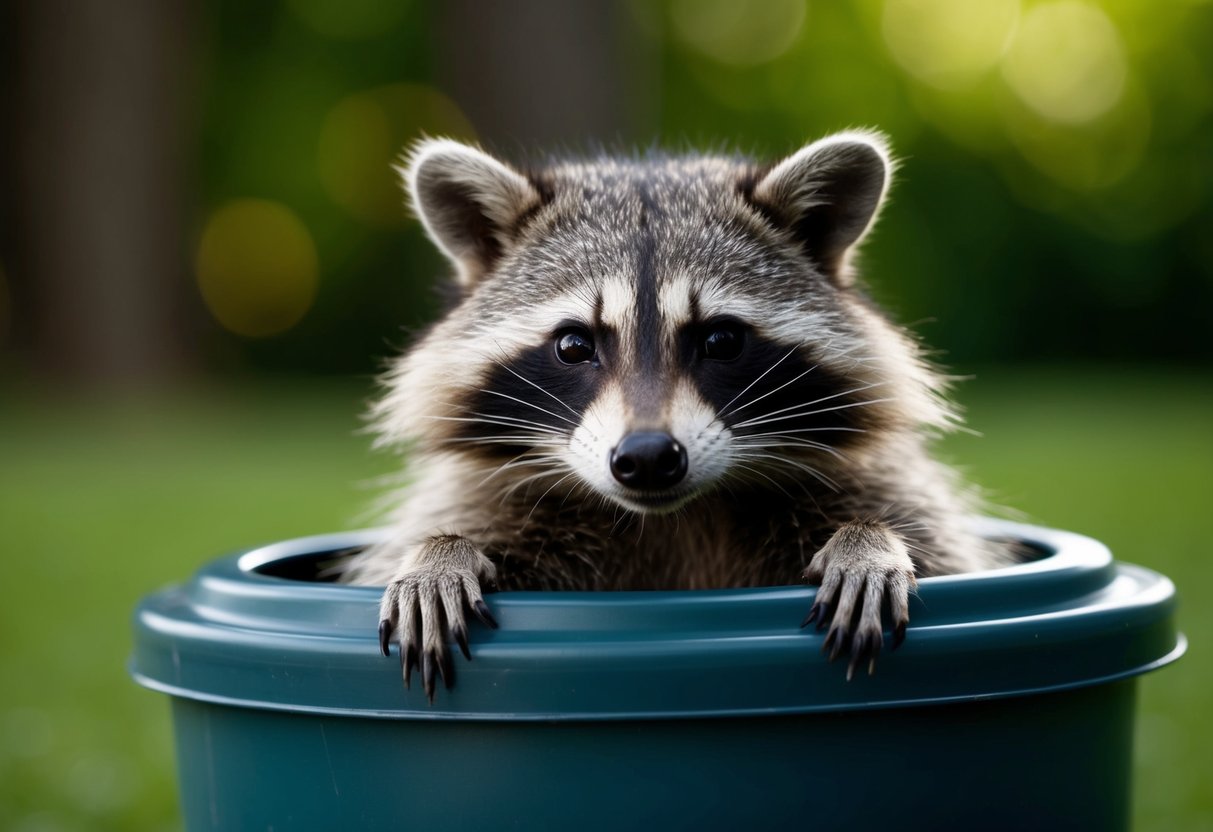
Raccoons are not just cute; they’re also complex creatures. Their behaviors are linked to their adaptability, curiosity, and intelligence, which contribute to their playful and sometimes mischievous nature. Let’s look at two main aspects: their reproductive habits and their exploration tendencies.
Reproductive and Mating Rituals
Raccoons, known scientifically as Procyon lotor, have unique mating practices. Their mating season typically occurs from January to March. During this time, male raccoons compete for females, often engaging in vocalizations and displays of strength.
After mating, a female usually gives birth to a litter of around two to five kits after a gestation period of about 63 days. The young stay with their mother for around 16 weeks, learning essential survival skills. This nurturing phase is crucial for their development, as they adapt to their surroundings and learn about foraging, which is vital for their lifespan in the wild, typically around 2 to 3 years, although some can live longer.
Curiosity and Exploration
One of the most fascinating aspects of raccoon behavior is their curiosity. Raccoons are highly intelligent and excel at solving puzzles to reach food. Their dexterous front paws allow them to manipulate objects easily, contributing to their reputation as little bandits.
They are natural foragers, using their keen sense of smell to locate a variety of food sources, from fruits and insects to human leftovers. This exploratory behavior often leads to encounters with humans, which can result in mischievous antics like rummaging through trash bins. This adaptability not only helps them survive in diverse environments, but also showcases their need for mental stimulation and exploration.
Raccoons in the Wild

Raccoons are fascinating mammals found in North and Central America. These clever creatures are known for their dexterous paws, which help them open containers and manipulate objects with ease.
As nocturnal animals, raccoons are most active during the night. This helps them avoid some predators and allows them to search for food when it is safer.
Their diet is varied and can include fruits, nuts, insects, and even small animals.
Raccoons are highly adaptable animals. They can thrive in various habitats, from forests to urban areas. This adaptability shows their intelligence and problem-solving skills. They often explore human environments for food.
During cold weather, raccoons may enter a state called torpor. This is not true hibernation, but it helps them conserve energy until warmer weather returns. They become less active and can survive on their stored fat.
Remember that while raccoons can seem like fun-loving troublemakers, they should be treated with caution. Their resourcefulness is impressive, but it can lead to conflicts with humans. Always appreciate them from a safe distance, as they are wild animals.


