
When you think of raccoons, you might picture these clever animals rummaging through trash at night. These creatures are often friendly among their kind, forming small groups known as nurseries. Raccoons can be friendly to some other animals, but their level of friendliness depends on individual behavior and circumstances.

In the wild, raccoons typically maintain a distance from other species. While they can interact with pets like dogs and cats, this varies based on the animal’s temperament. Understanding their behavior can help you navigate encounters with these curious critters.
You may find that raccoons can exhibit playful and social traits, especially with their own kind. While their friendly nature can shine through in certain situations, it’s essential to approach them with caution, as they can also display aggressive behavior if they feel threatened.
Raccoon Interactions in the Wild
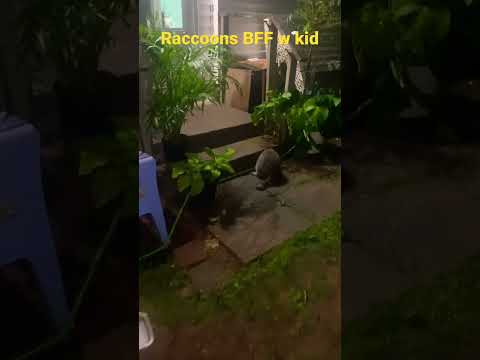
In the wild, raccoon interactions are shaped by their natural instincts and behaviors. They are known for their curious nature but also display specific territorial tendencies that affect how they relate to other wildlife. Understanding these patterns can help you appreciate raccoons in their natural habitats.
Territorial Tendencies Among Raccoons
Raccoons are quite territorial. They often mark their territory using scent from glands located near their paws and face. This marking helps them communicate with other raccoons.
Raccoons usually live alone or in small family groups. A dominant male, or boar, often leads these groups. If they feel threatened by another raccoon, they might exhibit aggressive behaviors to protect their space.
In urban environments, these animals may share spaces with other wildlife, but they usually prefer to keep a safe distance. This instinct to establish territory is crucial for their survival and social structure.
Raccoon Interaction with Other Wildlife
Raccoons may encounter various wild animals, such as skunks, foxes, and opossums. While they can coexist, they do not typically form strong bonds with these species.
In some cases, raccoons may approach other animals out of curiosity. However, this can lead to defensive reactions, especially from animals that feel threatened, like skunks.
Urban areas often see raccoons interacting with wildlife more frequently, leading to complex social dynamics. Raccoons are known for being inquisitive, but it’s important for them to respect the boundaries of other critters.
Natural Instincts and Solitude
Raccoons are naturally solitary creatures. This behavior helps them find food without competing with others. In the wild, their diet includes fruits, insects, and small vertebrates, which they often forage for at night.
Their need for solitude does not mean they are unsocial. While they usually do their own thing, family groups can form during the breeding season. Mother raccoons raise their young with care, teaching them survival skills.
This blend of social and solitary habits makes raccoons unique. You can often spot them rummaging through yards or parks, displaying their playful yet cautious nature. Understanding these behaviors enhances your respect for their space in the wild.
Raccoons and Domestic Animals

Raccoons are wild animals with complex behaviors. Understanding their interactions with dogs and cats is important for keeping your pets safe and healthy.
The Dynamics Between Raccoons and Dogs
When raccoons encounter dogs, the results can vary. Raccoons are curious creatures, and they may approach a dog out of curiosity. However, this can lead to tense situations.
Dogs may see raccoons as intruders. If your dog is aggressive or overly excited, it could provoke a confrontation. Raccoons can become defensive and may act aggressively if they feel threatened.
For safety, it’s best to supervise your dog when outdoors, especially at night. Preventing encounters can keep both your pet and the raccoon safe.
Raccoons Around Cats and Small Pets
Cats often have different reactions to raccoons. While some cats may ignore or be curious about raccoons, others can feel threatened. Raccoons may see small pets, like cats or rabbits, as potential prey.
If a raccoon approaches your cat, cautious behavior is crucial. Cats may try to flee or hide, but if cornered, they may defend themselves.
To keep your pets safe, it’s vital to keep them indoors during the night when raccoons are most active. This simple step can prevent dangerous encounters.
Feeding Habits Affecting Raccoon Friendliness

Raccoon friendliness towards other animals can be influenced by their feeding habits. Understanding their diet and how they find food helps to explain their interactions with other creatures.
Omnivorous Diet and Food Sources
Raccoons are omnivores, which means they eat both plants and animals. Their diet includes fruits, nuts, insects, and even small animals. This variety helps them adapt to different environments.
Being opportunistic feeders, raccoons often take advantage of available food sources. In urban areas, they may dig through trash cans or visit pet bowls for scraps. This behavior can lead to increased exposure to other animals, sometimes resulting in friendly interactions.
Their diet is essential for their health. Nutrients like protein, vitamins, and minerals are crucial for their well-being. When raccoons have access to a diverse diet, they are likely to feel secure, which may affect their behavior towards other animals.
The Role of Hunting and Foraging
Hunting and foraging play significant roles in a raccoon’s life. While they are solitary, they often encounter other animals during these activities. Raccoons compete with squirrels and birds for food, especially seeds and nuts.
In their search for food, they may also eat smaller animals like insects or rodents. This behavior can make them seem less friendly to those creatures. However, when their hunger is satisfied through foraging, raccoons may show less aggressive or competitive behavior towards other animals.
Relationships among raccoons and their environment can shift depending on food availability. When raccoons find ample food, their tendency to interact positively with other animals may increase, showing that feeding habits impact their friendliness.
Health Risks and Raccoon Behavior

Raccoons are intriguing animals, but they carry certain health risks that can affect their behavior. Understanding these risks is important to protect both raccoons and other animals, as well as to ensure your own safety.
Diseases Affecting Raccoon Aggression
Raccoons can carry diseases that might affect their behavior, making them more aggressive in certain situations. One major concern is rabies. This viral infection affects the nervous system and can cause erratic behavior, including aggression.
Another disease to consider is canine distemper, which can lead to seizures and disorientation in raccoons. Raccoons infected with this disease may act unpredictably, posing a danger to both pets and humans.
Raccoons can also be carriers of leptospirosis and roundworms. These pathogens do not directly affect behavior, but they can weaken the animal’s health, potentially leading to stress and more aggressive interactions as they struggle for survival.
Risks to Other Animals and Humans
Raccoons often appear in urban areas. This can increase the risk of them spreading diseases to pets and people. For example, a raccoon can transmit rabies through bites or scratches. If a rabid raccoon bites your pet, it could become infected.
Leptospirosis is also shed in raccoon urine. This can contaminate water sources and pose risks to pets. Roundworms can be spread through raccoon feces, which can infect dogs and cats, leading to serious health issues.
While raccoons might seem friendly, it’s important to give them space. Avoid feeding or approaching them to minimize potential health risks to yourself and your pets.


