
Raccoons are known for their cleverness and curiosity, which makes interactions with humans intriguing. You may have noticed these animals rummaging through your trash or exploring your backyard. Raccoons can become accustomed to human presence, especially in urban environments where they often seek food and shelter.
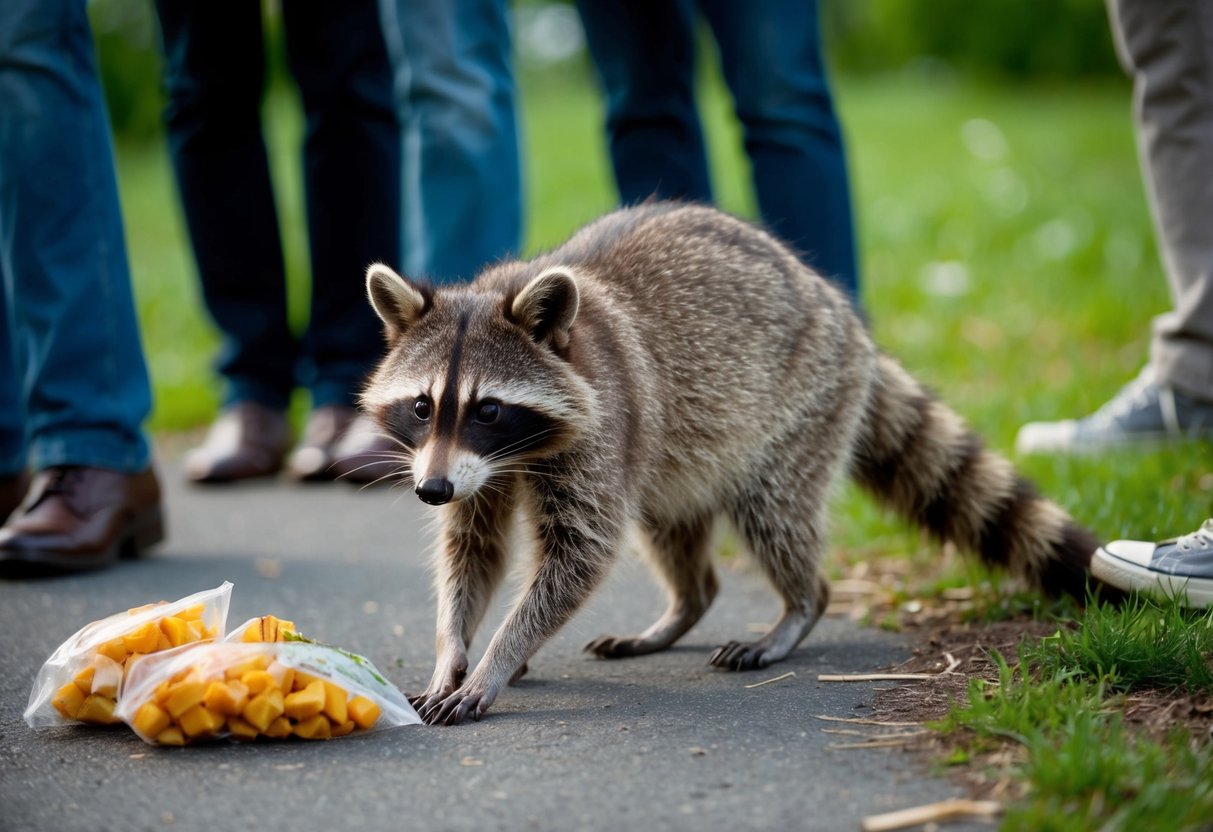
While it’s possible for raccoons to grow familiar with your routines, it’s essential to remember that they are wild animals. Their comfort around people can lead to risky situations if they feel threatened or cornered.
This article will explore how raccoons adapt to living in close proximity to humans and the behaviors that can arise from this new normal.
Understanding the relationship between you and these playful creatures can help you enjoy their antics while keeping a safe distance.
As you read on, discover the realities of raccoon behavior and learn how to coexist with them safely in your environment.
Understanding Raccoon Behavior
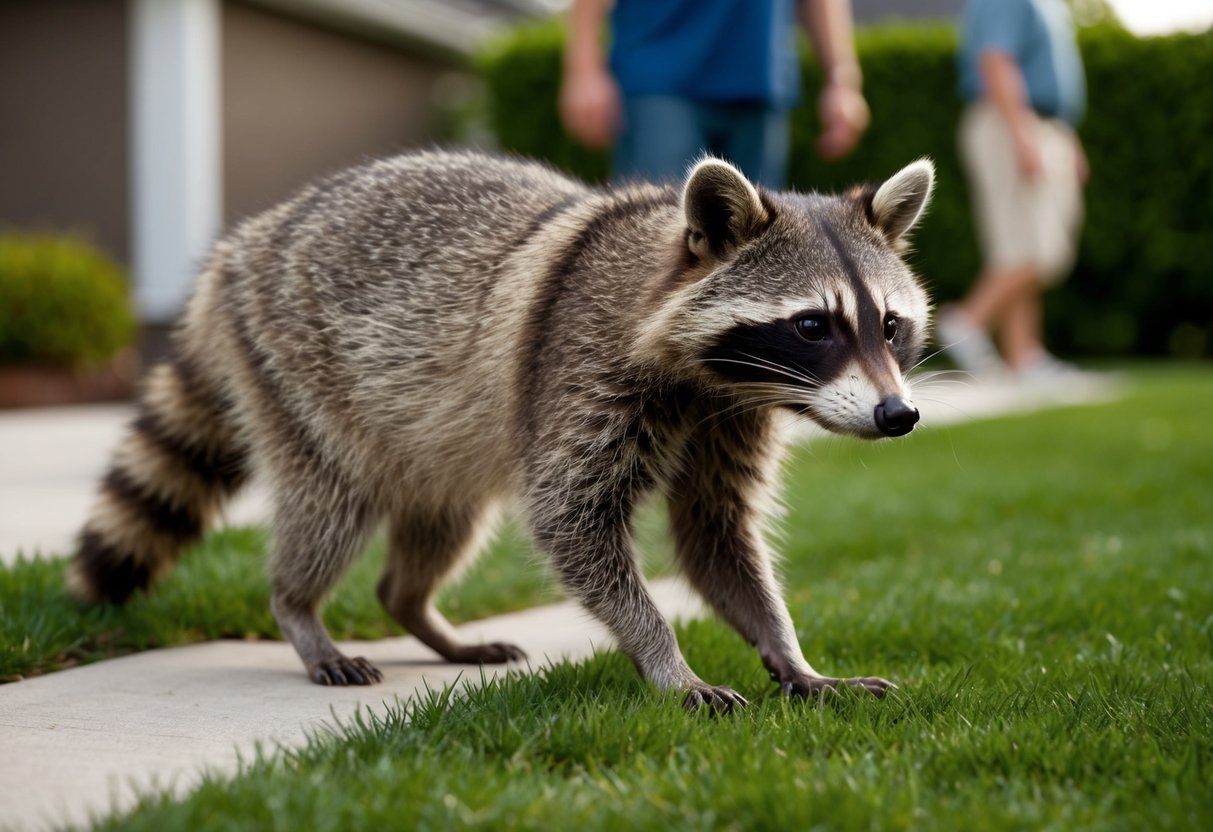
Raccoons are intelligent animals with behaviors influenced by their nocturnal nature and interactions with humans. Understanding these aspects can help you appreciate how they adapt to different environments.
Nocturnal Patterns and Home Ranges
Raccoons are mainly nocturnal, which means they are most active at night. This behavior helps them avoid predators and human encounters.
During the night, they move around in search of food, which can include fruits, nuts, and insects.
Their home ranges can vary significantly. Some raccoons may roam several miles in search of food, while others stay closer to their dens. Home ranges are often determined by the availability of food, shelter, and safety.
You might notice raccoons visiting the same areas frequently. They learn the best places to find food, making them skilled foragers. Their adaptability allows them to thrive in urban settings, where human presence provides easy access to food sources.
Interaction with Humans
Interactions between raccoons and humans are common, especially in urban areas. Raccoons may show curiosity towards people, but they aren’t typically aggressive. Their behavior around humans often depends on how threatened they feel.
In many cases, raccoons become more accustomed to human presence over time. This habituation can lead to bolder behavior, such as scavenging in trash bins or raiding bird feeders.
While they may appear fearless, it’s usually a result of their learned behavior towards food sources.
It’s important to remember that while raccoons might seem friendly, you should respect their space. Avoid direct confrontations, as they can feel cornered, leading to defensive behavior. Always observe from a distance to appreciate these fascinating animals without disturbing them.
The Impact of Raccoons on Human Habitats
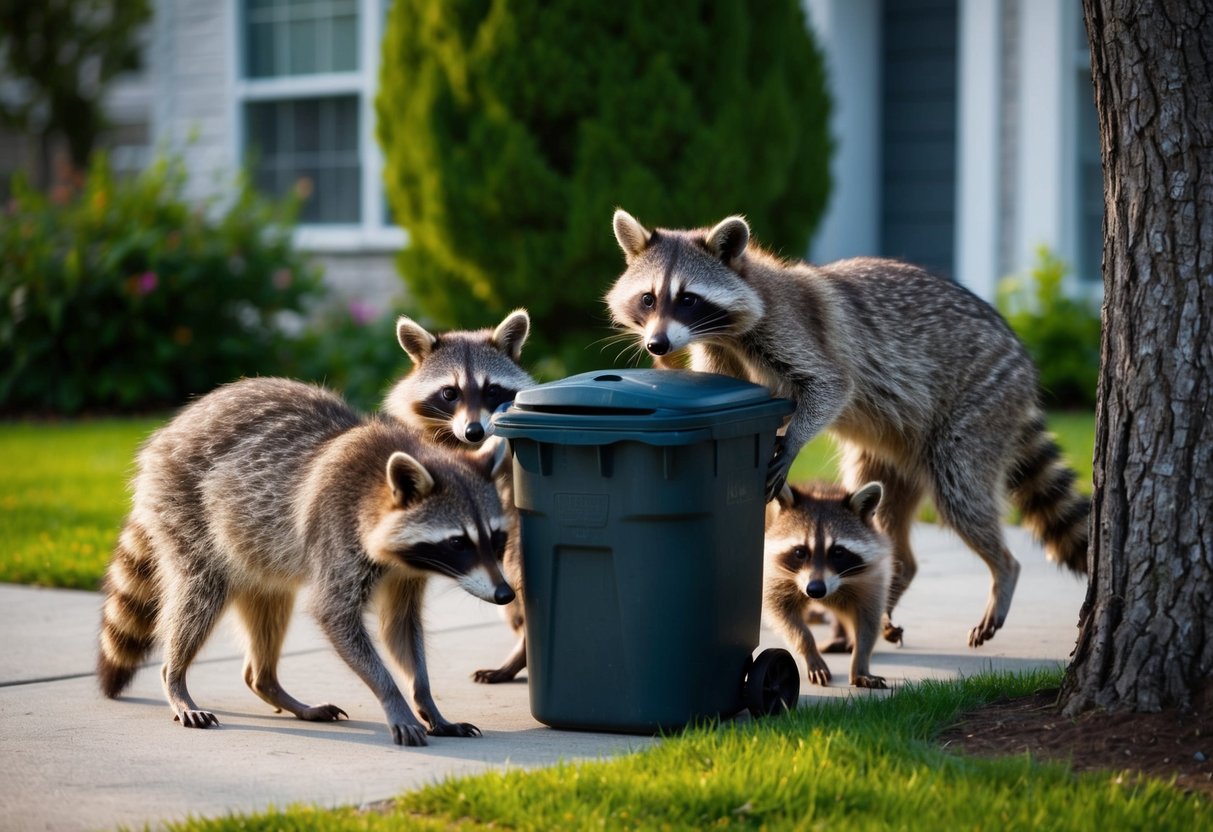
Raccoons significantly affect human habitats, especially through their feeding habits and the challenges they pose in pest control. Understanding these interactions can help you manage raccoon encounters more effectively.
Feeding Habits and Food Sources
Raccoons are notorious for raiding garbage cans. They seek out food sources that are easy to access. If you leave trash unsecured, raccoons are likely to rummage through it in search of leftovers.
They thrive in urban areas where food is plentiful. Your backyard or garden can become a target if it’s easy for them to find snacks.
Avoid leaving pet food outside, as it can attract these curious animals.
Consider using wildlife-proof trash cans. These containers can prevent raccoons from getting into your garbage. Keeping your outdoor areas tidy can also reduce their access to food, making your home less appealing.
Challenges in Pest Control
Controlling raccoon populations can be tricky. These adaptable creatures can find ways around many barriers designed to keep them out.
You may encounter raccoons that have learned to navigate fences or dislodge simple locks.
The presence of raccoons can lead to damage in gardens and yards. They dig in search of food, which can ruin your plants. Additionally, their behaviors may lead to conflicts with pets or livestock.
Implementing various pest control measures may be necessary. Using effective fencing and securing trash is a start.
Keep in mind that education about raccoon behavior is key to reducing conflicts with these clever animals.
Health Concerns Associated with Raccoons
When raccoons come closer to human habitats, they can carry certain health risks. It’s important to know these potential issues to keep you and your family safe. Understanding the specific diseases related to raccoons and how to prevent them can be key to avoiding health problems.
Common Diseases and Their Risks
Raccoons can transmit several diseases that pose risks to humans. One major concern is rabies, a viral disease that can be fatal if not treated. Another serious condition is leptospirosis, which can result from contact with contaminated water or environments.
Baylisascaris procyonis, or raccoon roundworm, is a parasite that can survive in soil and infect humans. It may cause severe neurological damage.
If you encounter raccoon feces or urine, it’s crucial to avoid contact, as they can carry salmonella and other harmful pathogens. Infected animals can also carry distemper virus, affecting both wildlife and pets.
Safety Measures to Prevent Disease Transmission
To protect yourself from raccoon-related diseases, consider these safety measures.
Always avoid direct contact with raccoons, especially when they appear sick or aggressive.
If you find raccoon feces, do not touch it. Use gloves and a mask if you must handle any contaminated materials. Clean areas where raccoons frequent with a diluted bleach solution to kill germs.
Ensure your trash is secure and not accessible to raccoons. This will help keep them away from your home.
If you have pets, ensure they are vaccinated against rabies and other diseases. Taking these simple steps can greatly reduce your risks of disease transmission.
Fostering Coexistence with Raccoons
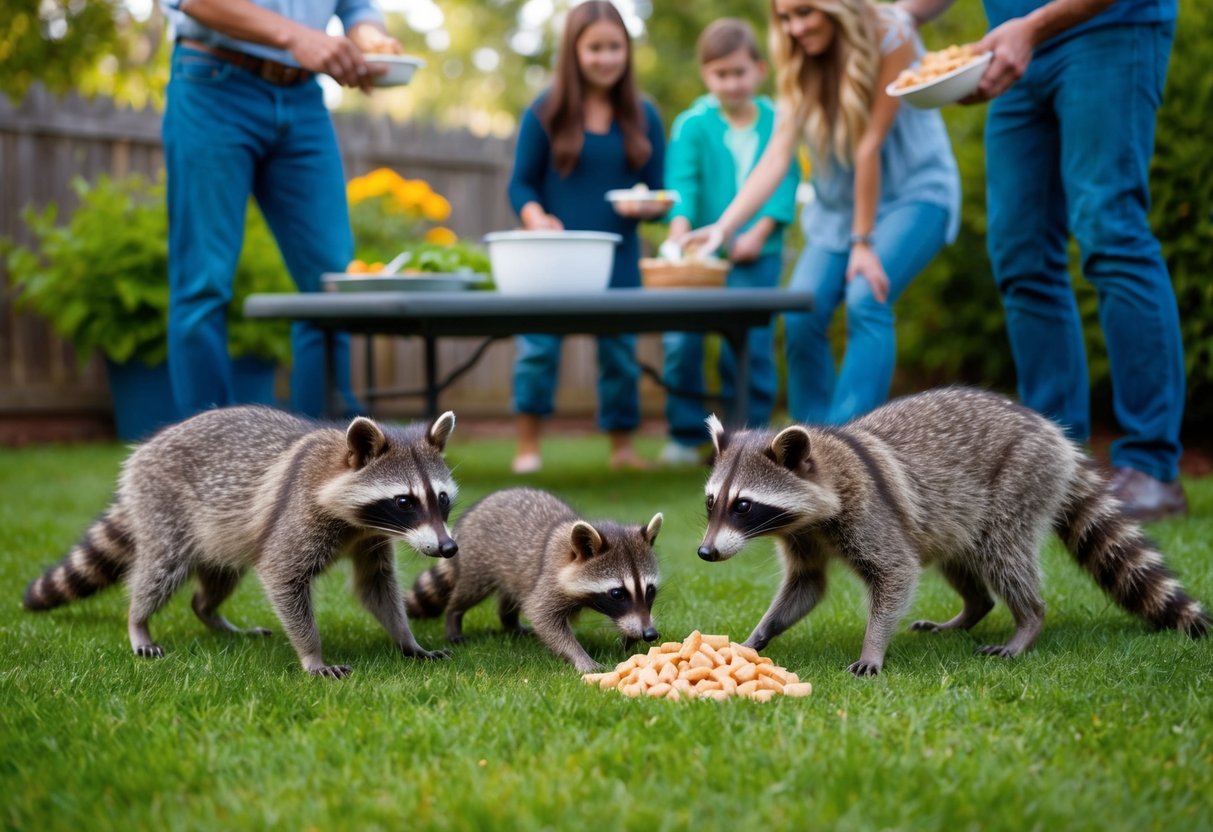
Coexisting with raccoons can be a pleasant experience when managed correctly. You can take steps to deter raccoons while ensuring that their natural behavior is respected as part of the ecosystem. Understanding how to coexist leads to a safer environment for both you and these curious animals.
Deterring Raccoons Without Harm
To keep raccoons at a safe distance, focus on non-lethal methods that respect their role in the ecosystem.
Start by securing garbage cans with tight-fitting lids. Raccoons are clever and can easily topple open containers.
Consider using motion-activated lights around your property. These lights can startle raccoons and encourage them to move on without causing harm.
Setting up fences can also help, but they should be tall enough, as raccoons are excellent climbers.
Avoid leaving pet food outside, as it attracts raccoons and can lead to unwanted encounters.
If you see a raccoon approach, make noise—this can effectively scare it away without threatening its safety.
Always remember, tame raccoons can exhibit different behaviors than their wild counterparts, so it is essential to maintain respect for their instincts.
Creating a Balanced Ecosystem
A balanced ecosystem includes understanding that raccoons have natural predators such as coyotes and hawks in their environment. When you support local wildlife and their habitats, you may find that the balance helps prevent overpopulation of raccoons.
Plant native vegetation in your yard to attract natural predators. This can create a more diverse environment that helps keep raccoon numbers in check.
Consider having areas where adult raccoons can forage without setting up direct conflicts with humans.
Lastly, learn about a raccoon’s home range. Knowing where they typically roam can help you manage your property to minimize unwanted encounters.
Promoting a healthy ecosystem promotes harmony between you and the wildlife around you, leading to a more enjoyable coexistence.


