
Foxes have long captured human imagination with their clever antics and playful nature. These animals are often seen as mischievous because they are cunning, adaptable, and exhibit behaviors that remind us of trickery. Their reputation varies across cultures, where they are sometimes portrayed as sly tricksters or even shape-shifters, showcasing their duality in symbolism.
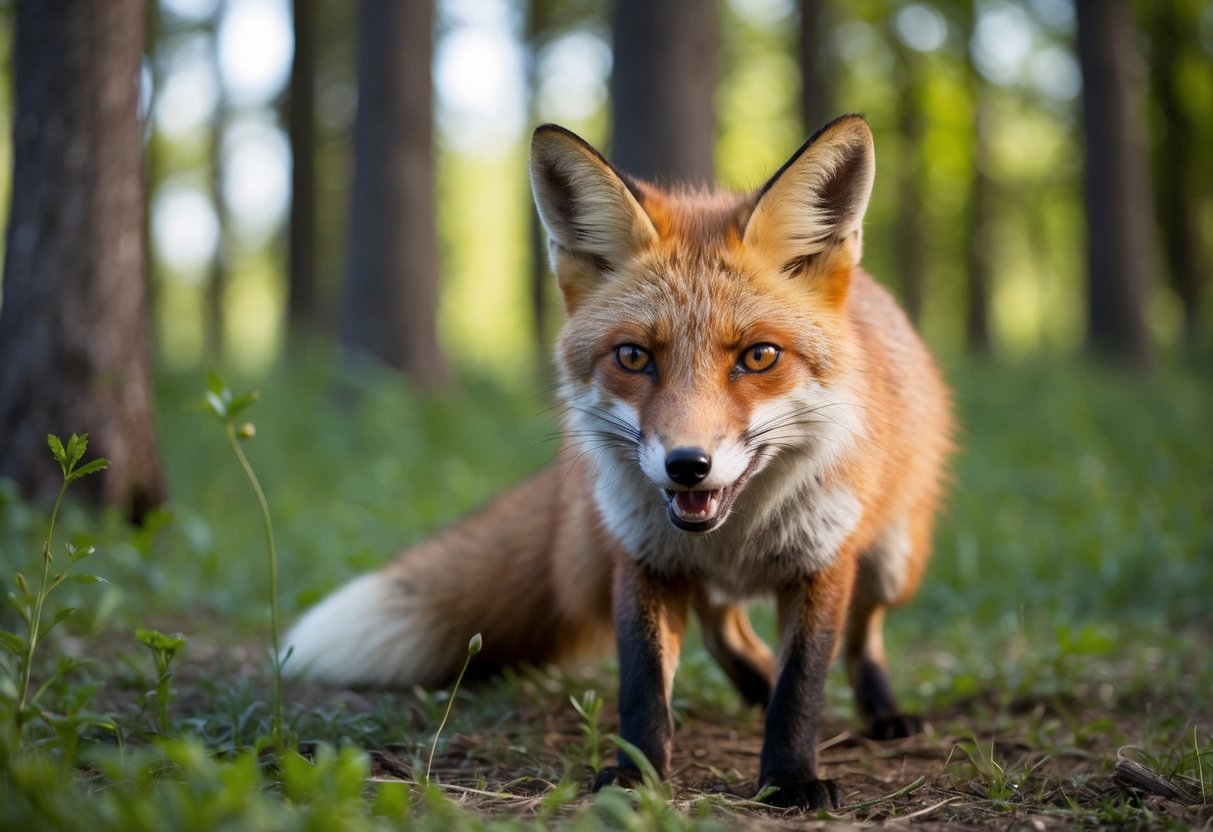
In many traditions, foxes represent a bridge between the human world and the spirit realm. This cultural significance adds depth to their image, making them intriguing figures in stories and folklore.
As you explore the reasons behind their mischievous behavior, you’ll uncover how these traits have shaped human perceptions over generations.
Understanding why foxes are viewed this way reveals much about our relationship with nature and the lessons we can learn from these fascinating creatures. Each tale involving a fox adds to its rich symbolism and keeps us captivated by their unique charm.
Foxes in Mythology and Folklore

Foxes have long been seen as symbols of cunning and mischief in various cultures. Their ability to adapt and outsmart others has made them central figures in many myths and stories across the world. You’ll find them in tales from ancient civilizations, through Japanese folklore, and in stories from Native American cultures.
Ancient Legends and the Trickster Archetype
Many ancient cultures feature foxes as tricksters. This archetype is important in mythology, representing cleverness and chaos. Common traits include deceit and humor.
In Celtic folklore, for example, the fox is often seen as a guide, leading characters through tricky situations. In Norse mythology, the fox is known for its sly nature, often outsmarting larger animals.
Foxes remind us that cunning and intelligence can outmatch brute strength. This theme keeps appearing in tales from different cultures, highlighting the balance of nature.
Kitsune and the Nine-Tailed Fox
In Japanese folklore, the kitsune is a fascinating creature that can transform into a human. With intelligence and magical abilities, kitsune are often portrayed as benevolent but can be mischievous too. The nine-tailed fox, or kyuubi no kitsune, is the most powerful type, representing prosperity and protection.
Kitsune can serve as guardians of rice fields and serve as messengers for the gods. However, they can also trick humans for fun. This dual nature makes them intriguing.
Their presence in stories often warns about the consequences of deceit. You can see why they capture the imagination in Japan and beyond.
Reynard the Fox and European Tales
Reynard the Fox features prominently in various European tales. He is a clever character who often tricks his enemies, usually larger animals. These stories show Reynard using his wit to navigate tricky situations.
In these tales, Reynard becomes more than just a fox; he embodies the cleverness humans admire. From French fables to German legends, Reynard represents the triumph of intelligence over strength.
In some stories, he stands against knights and rulers, symbolizing the underdog’s fight against tyranny. These narratives continue to highlight foxes’ clever, charming nature in folklore.
Native American and First Nations Stories
Foxes appear in many Native American tales, often as symbols of wisdom and adaptability. They are seen as teachers, showing humans how to survive in nature.
In certain tribes, foxes are believed to have magical powers, serving as protectors and guardians. Their ability to navigate different environments makes them admirable creatures.
Some stories depict foxes helping humans, while others show them misleading them. This duality reinforces the lesson that one must be aware of cunning and trickery in life, much like foxes do in nature.
These rich narratives illustrate how foxes play important roles in the traditions and wisdom of Native cultures.
Symbolic Meanings and Attributes

Foxes hold various symbolic meanings that reveal their attributes across cultures. They are often seen as clever and adaptive creatures. Understanding these qualities can deepen your appreciation of fox symbolism. Let’s explore how foxes embody cunning, wisdom, guidance, and transformation.
Foxes as Symbols of Cunning and Intelligence
Foxes are widely recognized for their cunning nature. This cleverness allows them to outsmart predators and adapt to various environments. Their behavior showcases sharp wit in hunting and evading threats.
Many cultures view foxes as symbols of intelligence. This is evident in mythology, where they often outmaneuver other animals or humans. The ability to think quickly and cleverly embodies the essence of being a trickster.
In stories, their slyness often reflects a deeper understanding of the world around them. This adds layers to their character and symbolizes the importance of brains over brawn.
Protection, Guidance, and Good Fortune
In many traditions, foxes are considered spirit animals that offer guidance and protection. They are believed to help you navigate through life’s challenges. When your spirit animal is a fox, you may feel a heightened sense of awareness. This helps you identify hidden opportunities and threats.
Foxes are also associated with good luck. Having a symbolic fox present may represent positive changes or a sense of security. This charm adds to their mystique and makes them revered in various cultures.
Their role as protectors is evident in folklore, where they guide lost souls or provide comfort in tough times. They remind you to trust your intuition, as it can lead you to safety and better choices.
Adaptation, Resourcefulness, and Resilience
Foxes exemplify adaptation and resourcefulness in their daily lives. You can see this in how they modify their hunting techniques based on their environment. This adaptability is key to their survival and demonstrates a smart approach to challenges.
Their resilience is inspiring. Foxes endure harsh weather and changing landscapes, all while maintaining their clever demeanor. They remind you that embracing change can lead to positive outcomes.
Their ability to thrive in urban areas also reflects modern adaptability. This resourcefulness symbolizes the need to innovate and adjust to new situations. A fox’s journey emphasizes the importance of being flexible in your own life.
Transformation and Spirituality
In various cultures, foxes represent transformation and spirituality. They are often seen as shape-shifters, capable of changing form and perspective. This symbolism highlights the connection between the physical and spiritual realms.
Foxes are thought to possess magical qualities, enhancing their role as guides in spiritual practices. When you connect with a fox, you tap into a deeper understanding of balance in nature.
Their transformative nature encourages personal growth. You can reflect their qualities by embracing change and seeking spiritual wisdom.
This aspect of fox symbolism can help you navigate life’s journey with courage and clarity.
Foxes in Art and Literature
Foxes have inspired a range of artistic and literary expressions throughout history. These clever animals often symbolize creativity and cunning, capturing the imagination of audiences across cultures.
Iconic Fox Characters and Their Impact
You can find foxes in many famous stories and works of art. One of the most well-known characters is from Aesop’s fable, “The Fox and the Grapes.” In this tale, the fox tries to reach some grapes and, unable to do so, declares they are sour. This demonstrates the fox’s sly nature and serves as a life lesson about rationalizing failure.
Another iconic fox is from Roald Dahl’s “Fantastic Mr. Fox.” This character embodies cleverness as he outsmarts farmers to feed his family. The story reflects resourcefulness and the importance of community.
In Antoine de Saint-Exupéry’s “The Little Prince,” the fox teaches vital lessons about friendship and the unique relationships we form. These characters help shape our understanding of foxes as playful but wise creatures.
Foxes as Metaphors and Moral Story Elements
In literature, foxes often serve as metaphors for mischief and cunning. Their ability to adapt makes them popular in various cultural narratives. In many stories, foxes symbolize the idea of cleverness leading to success, or sometimes, trouble.
The character of Reynard the Fox is another classic example. Reynard represents wit and trickery in medieval stories, showcasing how cunning can both aid and hinder one’s goals.
Foxes in art often highlight themes of deception. Through storytelling, they invite you to consider the consequences of cleverness combined with mischief. This duality in their portrayal helps convey valuable moral lessons, making foxes enduring subjects in literature and art.
Understanding Fox Behavior in Nature
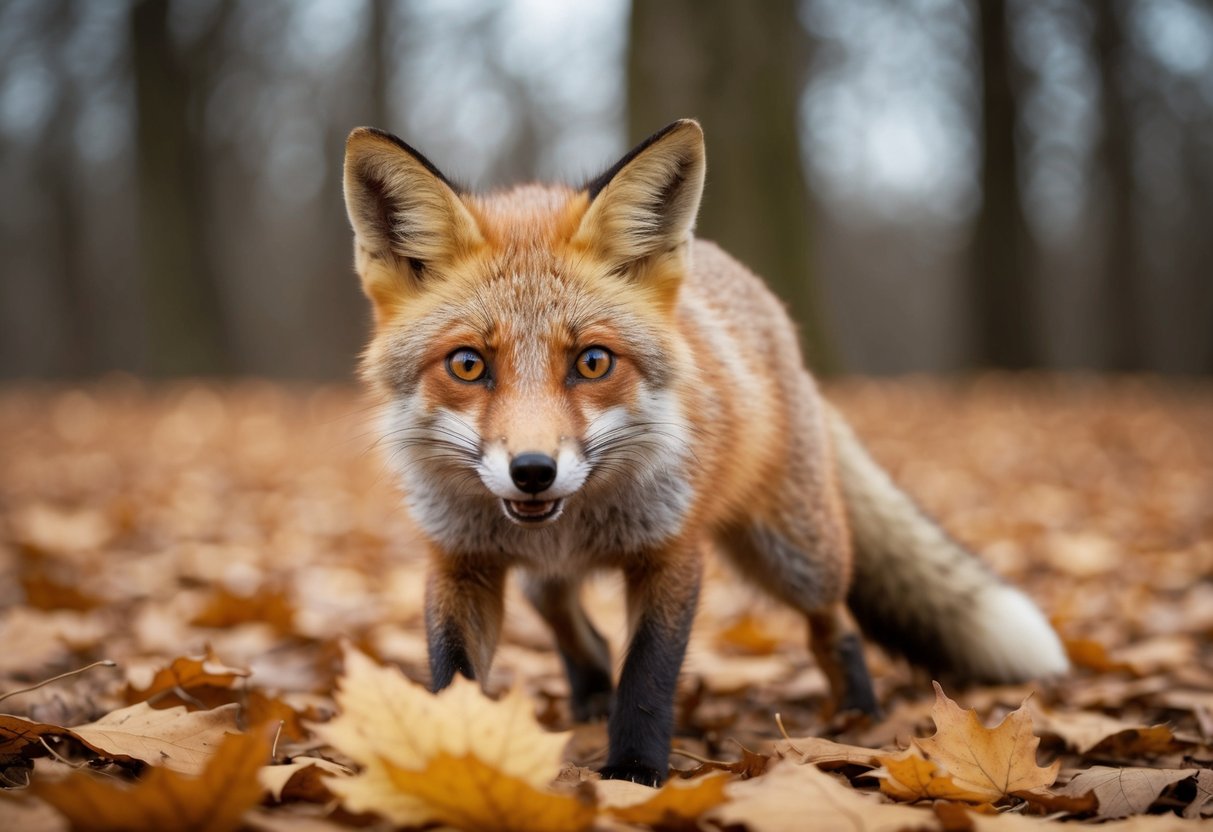
Foxes are often seen as playful and clever creatures. Their traits and behaviors play a vital role in their survival and how they fit into nature.
Real vs. Perceived Traits of Foxes
When you think of foxes, you might picture the clever red fox darting through fields or the white Arctic fox blended into the snow. While foxes are adaptable and resourceful, their reputation for being mischievous often comes from exaggerated stories and myths in popular culture.
In nature, foxes are solitary animals. They use their agility and survival skills to hunt small prey like rodents and rabbits. The gray fox, for example, has the ability to climb trees, which aids in escaping danger. This flexibility and clever use of their surroundings contribute to their reputation as cunning animals.
The Role of Foxes in Ecosystems
Foxes play an important part in their ecosystems. They help control populations of small animals, like mice and insects. This predatory behavior keeps these populations in check, which benefits the environment.
In addition, when foxes scavenge, they help clean up leftover food sources. Their adaptability allows them to thrive in various habitats, from cities to forests. This resourcefulness and their keen survival instincts make foxes essential in maintaining ecological balance.
Their presence is a sign of a healthy environment, reflecting how interconnected nature can be.


