
When a fox dies, its mate often experiences significant changes in behavior. Foxes are known to be loyal partners, and this loyalty can lead to a period of mourning for the surviving fox.
In many cases, the remaining fox will grieve and may even seek out a new mate later, but this can take time.
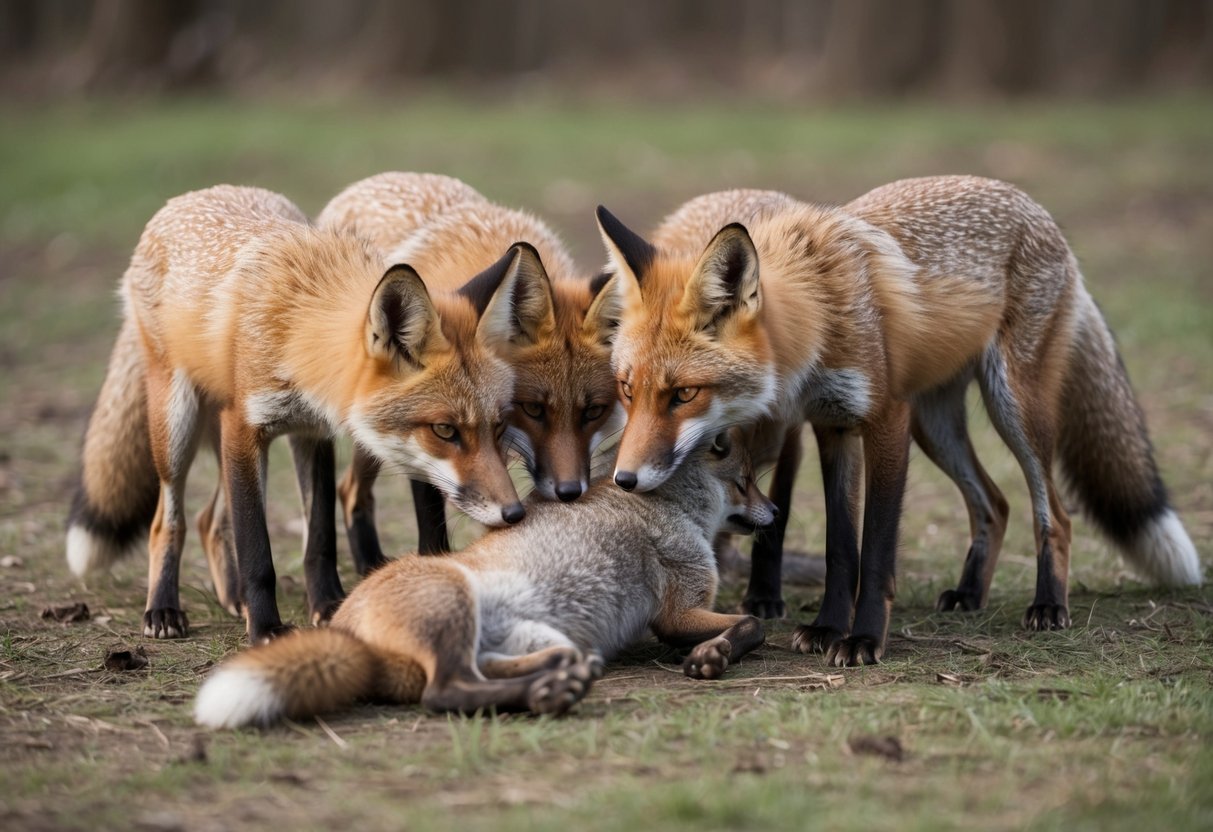
You might wonder what happens to the social structure within a group of foxes when one passes. Foxes typically do not form packs like wolves, but they live in small family groups. The loss of a member can disrupt their daily activities and routines, as the surviving fox adjusts to the absence.
If you’re curious about the emotional lives of these animals and how they cope with loss, you’ll find that the behavior of foxes after a death is a mix of instinct and emotion. Understanding their reactions can give you a deeper appreciation for these fascinating creatures.
Fox Social Structure

Foxes exhibit complex social structures that influence their behavior and relationships. Understanding these dynamics helps explain how they interact, especially during significant events like the loss of a mate.
Monogamy in Fox Species
Many fox species, like the red fox and arctic fox, are known for their monogamous relationships. This means that they often choose a single mate and stay together for life.
These foxes engage in what is called social monogamy, where they form strong bonds and raise their young together. This bond helps ensure the survival of their kits.
In the wild, you will often see pairs working together to hunt and defend their territory. This close partnership is vital for their social structure and helps them thrive in their environment.
Mating Behavior and Breeding Season
Mating behavior in foxes is closely tied to the breeding season, which usually occurs in late winter or early spring. During this time, you might notice increased vocalizations and heightened interactions among foxes.
Male and female foxes engage in courtship rituals that include play-fighting and chasing each other. This behavior helps strengthen their bond before they mate.
Once mated, foxes typically create a den for raising their young. Both parents share duties, feeding and protecting their kits until they are old enough to venture out. This teamwork is crucial, showcasing their social nature and commitment to family.
Responses to Death

When a fox dies, the remaining foxes can show interesting behaviors. Their responses can vary based on their social structures and the importance of the deceased in the group. This can affect the way they live and care for their young.
Grieving and Survival Strategies
Foxes may exhibit grieving behaviors when a companion passes away. You might see them spending more time near the spot where the deceased was last seen. They can show signs of stress or confusion, particularly if the deceased was a close family member from their den.
In terms of survival, foxes adjust their hunting and foraging practices after a loss. If a dominant fox dies, others may need to step up to protect the territory. This shift helps maintain their survival and ensures that their offspring have the best chance.
Impact on Social Dynamics and Offspring
The death of a fox can shift the social dynamics within a group. You might notice younger foxes taking on more responsibility if an adult dies. This change encourages them to learn and adapt quickly.
Additionally, the loss can impact how cubs are raised. With one less adult to care for them, the remaining adults may focus more on protection and feeding. This can affect the overall survival of the young foxes, as they rely on strong social bonds for learning and safety. The fox population may be influenced in the long run by these changes in social structure and offspring care.
Foxes Across Different Habitats
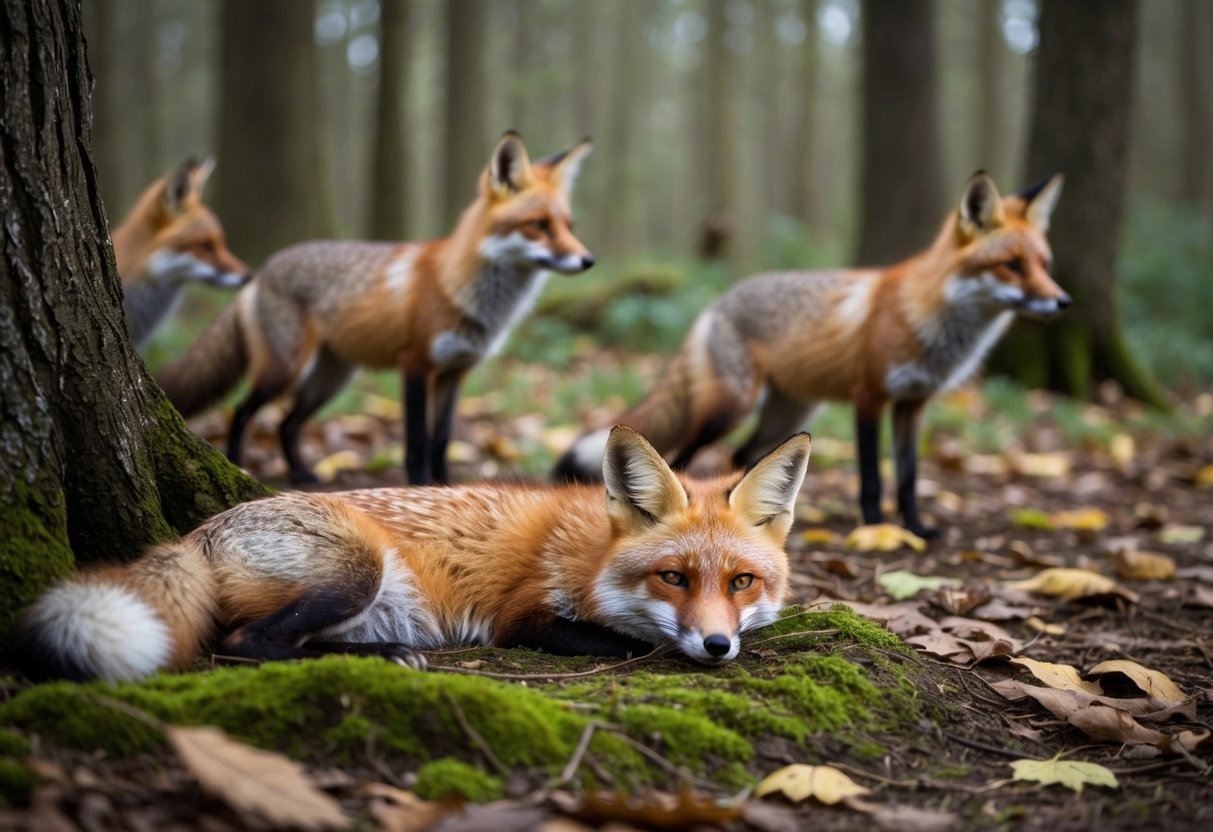
Foxes adapt well to various environments, ranging from urban areas to wild landscapes. Their ability to thrive in these settings shapes their behavior, interactions, and overall lifestyle.
Adaptations in Urban and Wild Environments
Urban foxes have adapted to city life by becoming more nocturnal, which helps them avoid people. They often scavenge for food in parks, gardens, and trash bins. These foxes are smaller than their wild counterparts and have learned to navigate human landscapes.
In contrast, wild foxes like the Arctic fox and fennec fox have developed traits suited for survival in extreme climates. The Arctic fox has thick fur for insulation, while the fennec fox has large ears to help dissipate heat. Both types rely on their keen senses to hunt prey in their natural habitats.
Differences in Lifestyle and Challenges
Foxes in the wild face different challenges than urban foxes. In the wild, natural predators, scarce food sources, and changing weather conditions are common challenges. For example, gray foxes and swift foxes often have to dig burrows for shelter and safety.
Urban foxes encounter human-related hazards like traffic and pollution, which can pose unique threats. They often live in smaller family groups or alone, unlike some wild foxes that might form larger social structures. Each environment provides distinct benefits and challenges that influence how you see these fascinating animals.


