
Ever felt like bees just won’t leave you alone? It’s not just in your head. Bees love certain smells, the colors you wear, and even scents from your lotion or shampoo—basically, anything that reminds them of flowers. They’re always on the hunt for nectar, so when they pick up those signals, they get curious.

Your sweat and natural body chemistry can call out to bees, especially if you’re out on a warm day. Bright clothes or floral perfumes? Those make you stand out even more.
If you understand why bees find you appealing, you can avoid their attention and stay calm when they buzz nearby. Want to dig deeper into why bees follow you and what you can do? Check out this guide on bee attraction.
Why Are Bees Attracted to Me?
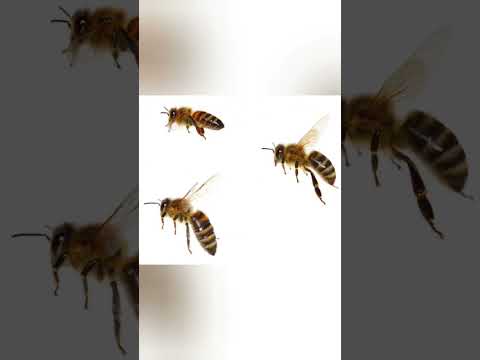
Bees notice a bunch of things about you that spark their interest. Smells from your clothes, your natural scent, the colors you wear, and even how you move can all catch their attention.
Each of these things sends bees signals that remind them of food or flowers. That’s usually what draws them close.
Scent and Fragrance Cues
Bees have an incredible sense of smell. Sweet scents—think floral perfumes, shampoos, or lotions—can fool bees into thinking you’re a walking flower. Even some sunscreens and hair sprays with sugary or flowery smells can make you a bee magnet.
Sweat on your skin attracts a special kind called sweat bees. These little guys look for minerals in your sweat.
If you’re sweating on a hot day, you might notice more bees checking you out. To keep bees from getting too interested, try skipping strong scented products, especially sweet or floral ones.
Mild or unscented lotions usually work better if you want to keep bees away.
Clothing Colors and Patterns
Bright colors like yellow, white, and blue remind bees of flowers in bloom. If you wear these shades, you might as well be waving a flag at them.
Patterns that look like flowers—floral prints, for example—also get their attention. Dark colors like black or brown don’t usually attract bees as much, but if you smell interesting, they might still come over.
If you’d rather not have bees buzzing around, go for lighter, dull, or muted clothes and skip the busy patterns.
Body Chemistry and Sweat
Your natural scent matters. Some people just smell more interesting to bees, thanks to the compounds in their sweat.
Sweat bees, especially, love salty sweat for nutrition. If you’re active and sweating outside, don’t be surprised if bees come closer.
Staying clean and dry when you’re outdoors can help. Light clothing on hot days might also keep you from sweating too much and attracting bees.
Movement and Behavior
Bees pay close attention to movement. Quick, jerky motions can make them nervous or defensive.
If a bee comes near you, waving your arms fast might just make it stick around longer. Try gently brushing it away or just standing still for a moment.
Staying calm and moving slowly helps keep bees relaxed and less likely to follow or sting you.
Distinguishing Bees From Other Stinging Insects

It’s easy to mix up bees with other stinging insects, but knowing the difference can really help you stay safe. Bees, wasps, hornets, and yellow jackets do look a bit alike, but they don’t behave the same way.
If you can spot the difference, you’ll know how to react and avoid stings.
Identifying Bee Species
Honey bees and bumble bees have round, fuzzy bodies. Their tiny hairs help carry pollen, and you’ll see them in shades of brown, yellow, and black.
Honey bees look smaller and slimmer, while bumble bees are bigger and chunkier. When bees are around, they usually move slowly from flower to flower.
Bees rarely sting unless they feel threatened or get stepped on. They usually only sting once, since their stinger gets stuck and pulls away after use.
Wasps, Hornets, and Yellow Jackets
Wasps, hornets, and yellow jackets look smoother and don’t have much hair. Their bodies are shiny, with narrow waists and bold yellow and black stripes.
Unlike bees, these insects can sting over and over without losing their stinger. Yellow jackets love human food, especially meats and sweet drinks, so they show up at picnics and outdoor meals a lot.
Hornets are bigger and a bit more aggressive, but they usually leave you alone unless you bother them. Wasps and hornets often scavenge and hunt, which can make them act more aggressive than bees.
Risks of Bee Stings and Allergies
Bee stings usually bring mild pain, some redness, or swelling. Most of the time, these symptoms fade within a few hours.
But if you’re allergic, things can get much more serious. You might have trouble breathing, your face could swell, or you might feel dizzy.
If you already know about your allergy, it’s smart to keep an epinephrine injector (EpiPen) on hand. If you get stung, use it and get medical help right away.
Even if allergies aren’t a problem for you, getting stung multiple times can still hurt a lot. Clean the sting site and put some ice on it to help with swelling.
It’s actually pretty useful to recognize which insect stung you and how it tends to behave. That way, maybe you can avoid getting stung in the first place.
If you want tips on telling these insects apart or understanding sting risks, check out Biology Insights to distinguish bees and other stinging insects.


