
So, you want to figure out how to spot the queen bee in a hive? The trick is to look for her distinct size and shape. She’s bigger than the rest, with a noticeably longer body and a smooth, shiny back.
Unlike the worker bees, she moves a bit slower and usually has an entourage of workers following her around.

When you’re beekeeping, finding the queen helps you check how healthy your hive is. Sometimes, you’ll catch her laying eggs or striding in a straight line.
Learning to spot these little details makes hive inspections much less stressful. It also helps you take better care of your bees.
Yeah, finding her takes a bit of patience. But knowing what to look for really saves you time and keeps your colony in good shape.
If you pay attention to these traits, you’ll get ahead as you manage your bees.
Key Signs to Identify the Queen Bee in a Hive
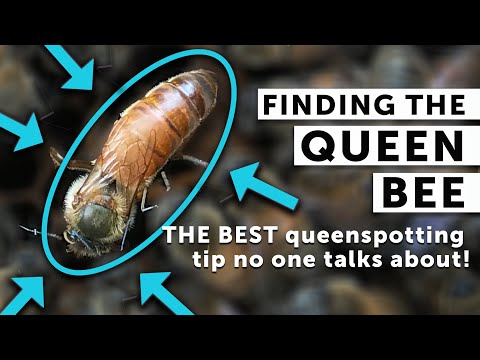
When you inspect a hive, focus on the queen’s appearance, her behavior, and her favorite spots. Some beekeepers even mark the queen to make things easier.
What Does a Queen Bee Look Like Compared to Worker Bees
The queen stands out because she’s bigger than the workers. Her abdomen is long and stretches past her wings, so you can usually spot her right away.
Her body looks slimmer and more stretched out, while the workers look rounder.
Her thorax—the middle part—is shiny and not as hairy. This makes her pop out among the fuzzy workers.
Her legs? They’re a bit chunkier and stronger, probably because she moves around slowly.
If you get these physical details down, you’ll have a much easier time finding her in a buzzing hive.
Behavioral Cues for Queen Identification
Queen bees don’t move like the others. She walks with this smooth, steady motion and almost never flies when you’re checking the hive.
Worker bees tend to gather around her, forming what’s called a “queen retinue.” They’ll poke her with their antennae and lick her to spread her pheromones.
If you see a tight cluster of bees in one spot, odds are the queen’s in the middle. The way workers protect and follow her is a handy clue during inspections.
Typical Queen Locations in the Hive
Usually, you’ll find the queen near the brood nest since she’s busy laying eggs there. It’s warmer in that area and close to the young larvae.
She doesn’t really wander far from this part of the hive.
When you inspect, start by checking the center of the frames where the brood is. The queen often moves slowly in this area, with workers gathered around her.
Try not to search randomly—focusing on the brood nest really speeds things up.
Marking and Tracking the Queen Bee
A lot of beekeepers put a little dot of paint on the queen’s back to make her easier to spot. This trick is super helpful, especially if she blends in with the crowd.
You just need a hive tool and a gentle hand to catch and mark her. The paint color can even tell you what year she joined the hive.
Marking her like this cuts down on search time and keeps everyone—bees included—a bit less stressed.
Challenges and Special Circumstances in Finding the Queen Bee

Finding the queen isn’t always simple. Sometimes, the hive throws you a curveball and she’s tough to spot.
You’ll want to notice these tricky situations because they can really affect your colony’s health.
Queen Cells, Supersedure, and Swarming
You might notice big, peanut-shaped things called queen cells on the comb. These are special brood cells where new queens develop.
When you see them, something big is usually brewing: either supersedure or swarming.
-
Supersedure happens when the old queen gets weak or stops laying enough eggs. The bees raise new queens, called supersedure cells, to replace her without leaving the hive.
-
Swarming means the hive splits, and the old queen leaves with a group of bees to start a new colony. The rest stay behind with the new queen.
Both situations make it harder to spot the current queen. She might be hiding, or there could be several queens in the works.
Check near brood frames if you’re looking for the queen or fresh eggs.
Signs of a Queenless Hive and Queen Replacement
If the queen dies or disappears, your hive will show signs pretty fast. You might see a bunch of queen cells being built, but no eggs or larvae in regular cells.
Look out for:
- No eggs or young larvae on the frames.
- More queen cells, sometimes torn open or being fed by workers.
This means the bees know they need a new queen. You might also notice uneven brood patterns or the bees acting more aggressive.
If you’re sure the hive is queenless, you can add a new queen yourself or let the bees raise one from existing larvae.
Using a Queen Excluder and Advanced Tools
A queen excluder is basically a metal or plastic grid that you place between hive boxes. Worker bees can squeeze through, but the larger queen stays put in the lower box.
This setup makes it a lot easier to keep track of where the queen hangs out. You won’t have to search every inch of the hive just to spot her.
Some folks use advanced tools, like transparent hive walls or even special lighting, to spot the queen more quickly. If you want to make things even simpler, you might mark your queen with a tiny colored dot—honestly, it’s a lifesaver during inspections.
These little tricks can really save you time. They also help keep your bees calmer while you’re checking on the queen and her part in honey production.


