
Badgers are often portrayed as troublesome animals, but their impact on the environment can be more complex than it seems. They lead to conflicts with people, especially when they dig in gardens or fields. This might create frustration for homeowners and farmers who feel these animals disrupt their land.
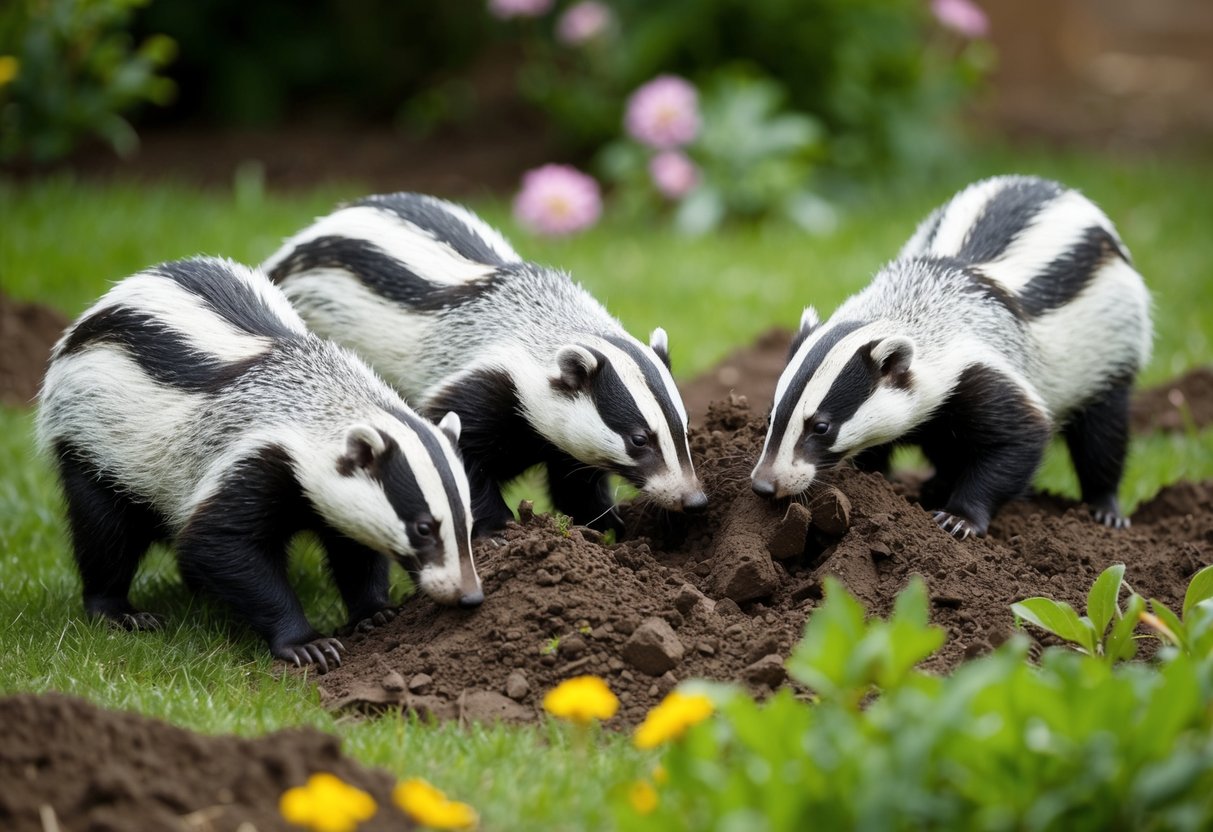
While badgers do play a role in the ecosystem, their habits can raise concerns about wildlife conservation. For example, their presence in certain areas might affect the populations of other species. However, increasing public awareness about badger behavior and their ecological role can help foster a more balanced view.
Understanding the reasons behind badger interactions can lead to better solutions and harmony between wildlife and people. By learning more about these intriguing animals, you can appreciate their presence while addressing any issues that arise.
Badgers and Bovine Tuberculosis

Bovine tuberculosis (bTB) is a serious concern for farmers and wildlife. Badgers play a key role in the spread of this disease, which can have significant effects on farming and monitoring wildlife health.
Spread of Mycobacterium Bovis
Mycobacterium bovis is the bacteria that causes bovine tuberculosis. Badgers can carry this bacteria without showing any symptoms. When they come into contact with cattle, they can transmit the disease.
The close proximity of badgers and cattle increases the likelihood of transmission. Badgers often share grazing land with cattle, leading to higher infection rates, especially in areas where bTB is common.
Monitoring badger populations and their health is crucial. Testing badgers for bTB can help understand and manage the spread of the disease.
Impact on Farming Community
The presence of bTB in badgers has a direct effect on farmers and the cattle industry. Infected cattle can suffer from weight loss and decreased milk production, which impacts your profits.
Cattle testing programs are essential for early detection of bTB. If a cow tests positive, it may need to be culled to prevent further spread. This process can be costly and stressful for farmers.
Additionally, restrictions on cattle movement due to bTB outbreaks can create challenges. Farmers may face economic losses while waiting for herds to be cleared for sale. The issue is complex and affects not just individual farms but the agricultural community as a whole.
Wildlife Trusts and Bovine TB
Wildlife trusts play an important role in managing the issue of bTB. They work to balance conservation efforts with the needs of farmers. Their strategies often involve monitoring badger populations and improving cattle health programs.
Culling badgers has been a controversial topic. Some argue it is necessary to control the spread of bTB, while others believe it may not effectively reduce infection rates.
Wildlife trusts promote research into better ways to manage the disease without harming badger populations. They encourage habitat management and vaccination programs as potential solutions. This approach aims to protect both wildlife and farming interests.
Legal and Ethical Considerations
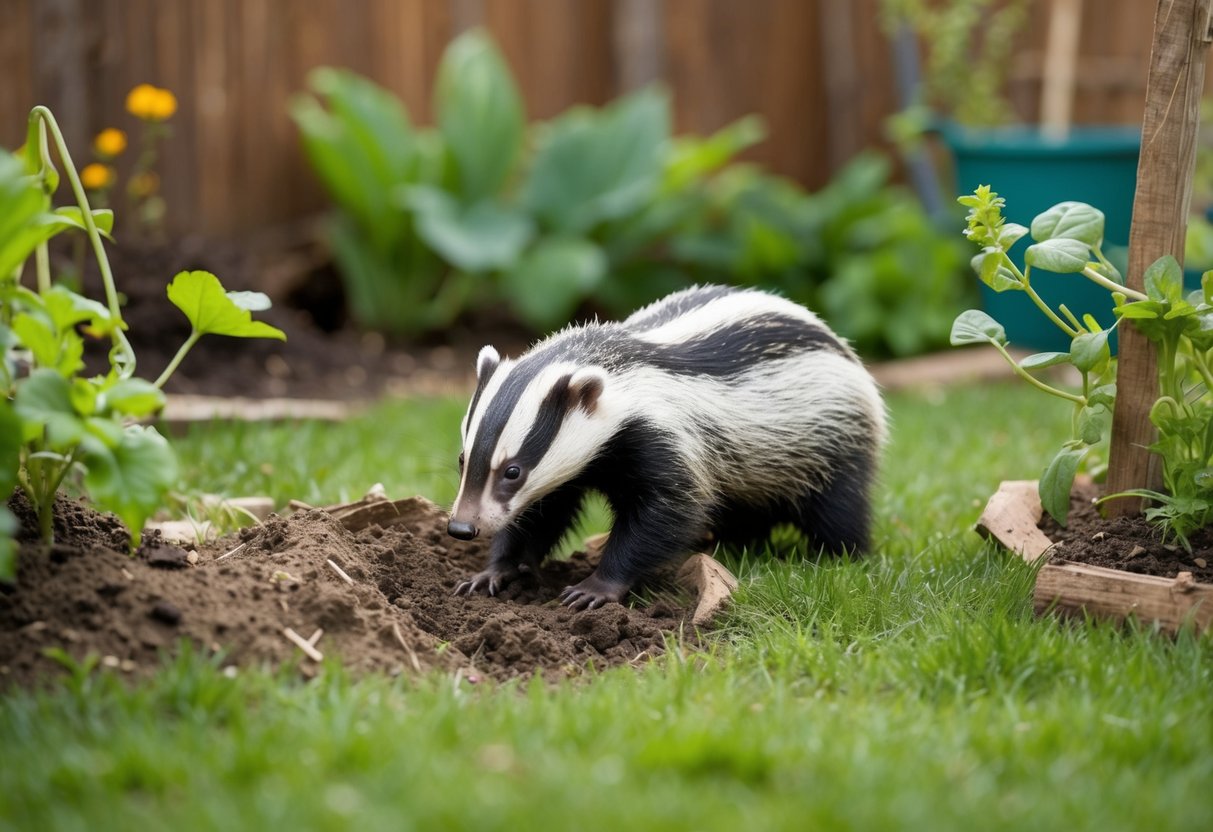
Understanding the legal and ethical aspects surrounding badgers is essential. It involves knowing their protections, how organizations advocate for them, and the ongoing debate about culling.
Protection of Badgers Act 1992
The Protection of Badgers Act 1992 makes it illegal to harm or kill badgers in England and Wales. This law aims to protect badgers as a vulnerable species. Under this act, it’s essential to avoid disturbing their setts, where they live and raise their young.
If you suspect badgers are in distress, it’s important to report it to the local authorities. Violations of this act can lead to severe penalties, including fines and imprisonment. Knowing these laws helps you understand the significance of protecting these animals in their natural habitats.
Badger Trust and Animal Welfare
Organizations like the Badger Trust play a vital role in advocating for badger protection. They work to raise awareness about issues such as habitat loss and the ethical treatment of animals. The trust encourages compassionate approaches to wildlife management.
In partnership with the RSPCA, they promote animal welfare and discourage cruel practices. This collaboration seeks to educate the public about badger behavior and the importance of coexistence. Supporting these organizations helps create a positive change for badgers and their ecosystems.
Debate on Badger Culling
The topic of badger culling generates intense debate. Some argue it is necessary for controlling disease spread, particularly bovine tuberculosis. Others believe culling is unethical and ineffective.
Critics maintain that there are better alternatives, such as improved vaccination methods and habitat management. The Badger Trust argues against culling based on evidence of long-term population resilience. Engaging in this discussion can help you consider the consequences of wildlife management strategies on these protected creatures.
Conservation and Human Interactions
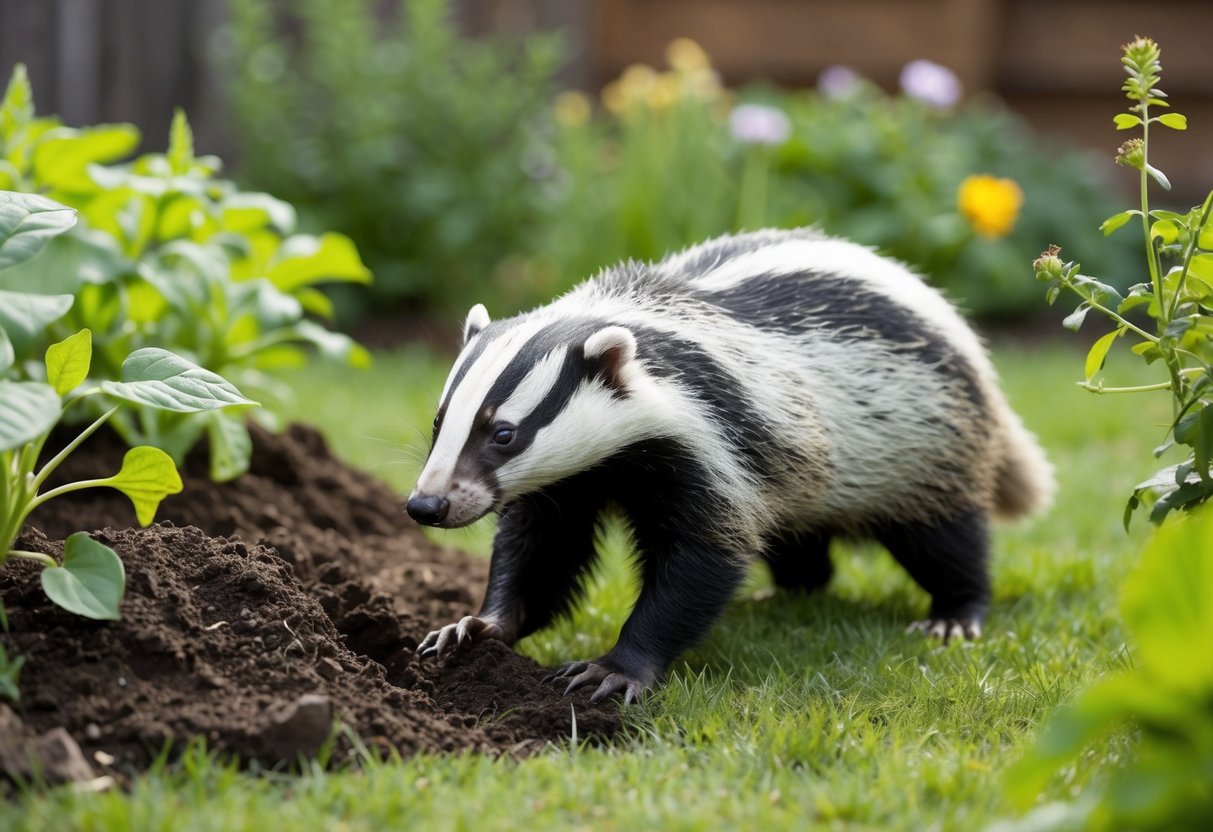
Understanding how badgers fit into the wider ecosystem and your community is vital. Their presence impacts biodiversity and raises questions about conservation and coexistence. Human perception of these iconic animals often shapes their fate.
Habitat Loss and Biodiversity
Badgers play an important role in their ecosystems. They help control insect populations and aerate the soil through their digging. Unfortunately, habitat loss threatens their survival. Urban development and agricultural practices reduce their natural homes.
This destruction leads to less biodiversity, which affects other wildlife too. When badger populations decline, it can disrupt the balance in local ecosystems. Protecting badger habitats is crucial for maintaining healthy biodiversity.
You can help by supporting wildlife conservation efforts aimed at preserving these areas. Advocate for policies that promote sustainable land use to ensure badgers and other wildlife can thrive.
Promoting Coexistence
Coexisting with badgers is possible and beneficial. They do not typically pose a threat to humans or pets if left undisturbed. It’s essential to educate yourself and others on their behavior and needs.
You can take simple steps to promote coexistence, such as securing trash and not approaching them in the wild. Creating wildlife-friendly spaces in your garden can also help. Native plants can attract insects that badgers feed on, supporting their diet.
Community programs that teach about badger conservation play a significant role. They can improve relationships between people and wildlife, helping everyone appreciate these fascinating animals.
Public Perception and Iconography
Public perception of badgers shapes their protection and treatment. In British culture, badgers are often seen as iconic animals. Yet, misconceptions can lead to fear and negative attitudes.
Media often amplifies these views, sometimes depicting badgers as dangerous or harmful. It’s important to challenge these stereotypes by sharing factual information.
Participating in local wildlife events or conservation discussions can change perceptions. Engaging with your community fosters a better understanding of badgers and their ecological role. A positive shift in how people view badgers can lead to better conservation outcomes.
Alternative Solutions and Practices

Addressing the challenges badgers pose requires creative solutions that balance wildlife conservation with agricultural needs. Here are some effective practices to consider.
Badger Vaccination Efforts
Vaccination programs are a promising way to manage badger populations and reduce the spread of bovine tuberculosis (bTB). Badger vaccination involves administering a vaccine that helps prevent the disease. This method is not only humane but also helps ensure that badgers remain healthy and active in their habitats.
Local wildlife trusts and conservation groups often lead these initiatives. By participating, you can support their work and help monitor local badger populations. Vaccination efforts can be conducted in areas where badger culling has been prevalent, offering a safer alternative to manage disease.
Wildlife-Friendly Farming
Adopting wildlife-friendly farming practices can create a safer environment for badgers and other wildlife. This approach focuses on integrating wildlife conservation into farming activities.
For instance, using hedgerows and not overusing pesticides can provide safe pathways and habitats for badgers. Creating hedgehog highways, which are small openings in fences, can help connect different habitats, making it easier for badgers and hedgehogs to move freely.
Additionally, employing buffer zones around water sources and crop fields can protect badgers from habitat loss and encourage biodiversity on your farm.
Community Engagement
Engaging your community is vital in combating badger persecution and other wildlife crimes. Start by raising awareness about the importance of badgers in the ecosystem.
You can organize local events, such as wildlife walks or educational talks, to share knowledge.
Form partnerships with local organizations and wildlife trusts to promote conservation efforts.
Community involvement also includes reporting any signs of wildlife crimes, such as badger baiting or illegal culling. Reporting these incidents can help protect badgers and foster a supportive environment for wildlife conservation.


