
If you see a badger, your first instinct might be to observe quietly. Badgers typically prefer to avoid humans and will likely retreat if they feel safe. However, if the badger feels threatened or if you accidentally corner it, the animal could act defensively. Knowing how to react can keep you safe and protect the wild animal.
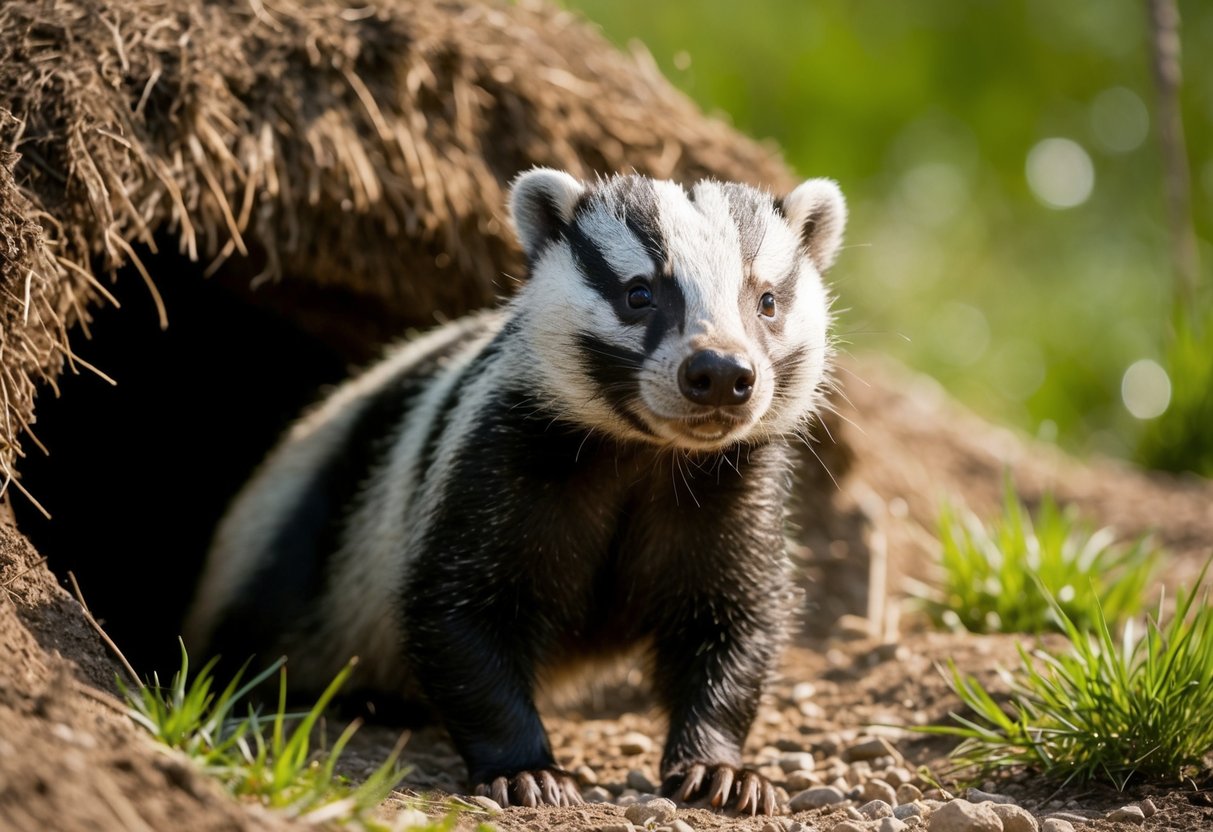
It’s important to stay calm if you encounter one. Badgers can show signs of aggression when scared, like hissing or growling. If you see a badger, back away slowly and give it space. This helps ensure both your safety and the well-being of the badger.
Understanding badger behavior can enrich your experience in nature. These fascinating creatures play a role in their ecosystem, and knowing how to interact with them can make your outdoor adventures more enjoyable. If you ever find yourself in the company of a badger, remember to respect their space and observe from a distance.
Understanding Badgers

Badgers are fascinating creatures that play important roles in their ecosystems. You might encounter different species of badgers, and knowing about their habits and diets can help you appreciate them even more.
Badger Species Overview
There are several species of badgers. The two most common are the American badger and the European badger. The American badger (Taxidea taxus) primarily lives in North America, while the European badger (Meles meles) is found across Europe and parts of Western Asia.
These badgers have strong bodies with short legs and long claws, helping them dig in the ground. The average length of a badger is between 20 to 30 inches, and they can weigh anywhere from 15 to 30 pounds. Each species exhibits unique characteristics and behaviors.
Habitat and Ecosystem Roles
Badgers are adaptable animals that can be found in various habitats. They prefer areas with plenty of soil to dig, such as grasslands, forests, and even urban areas. Badgers create burrows for shelter, which they also use for breeding.
In the ecosystem, badgers play a vital role as both predators and prey. They help control populations of small mammals like voles and pocket gophers, which are key parts of their diet. By keeping these populations in check, badgers help maintain balance in their environment.
Dietary Habits and Food Sources
Badgers are often classified as omnivores, meaning they eat a variety of foods. Their diet includes small mammals, insects, and plants. They hunt for creatures such as voles, which are abundant in their habitats.
American badgers tend to focus more on hunting small animals, while European badgers might consume more fruits and vegetables in addition to meat. This diverse diet allows them to thrive in different conditions and ensures they have enough food to survive, even in challenging environments.
Badger Behavior and Safety
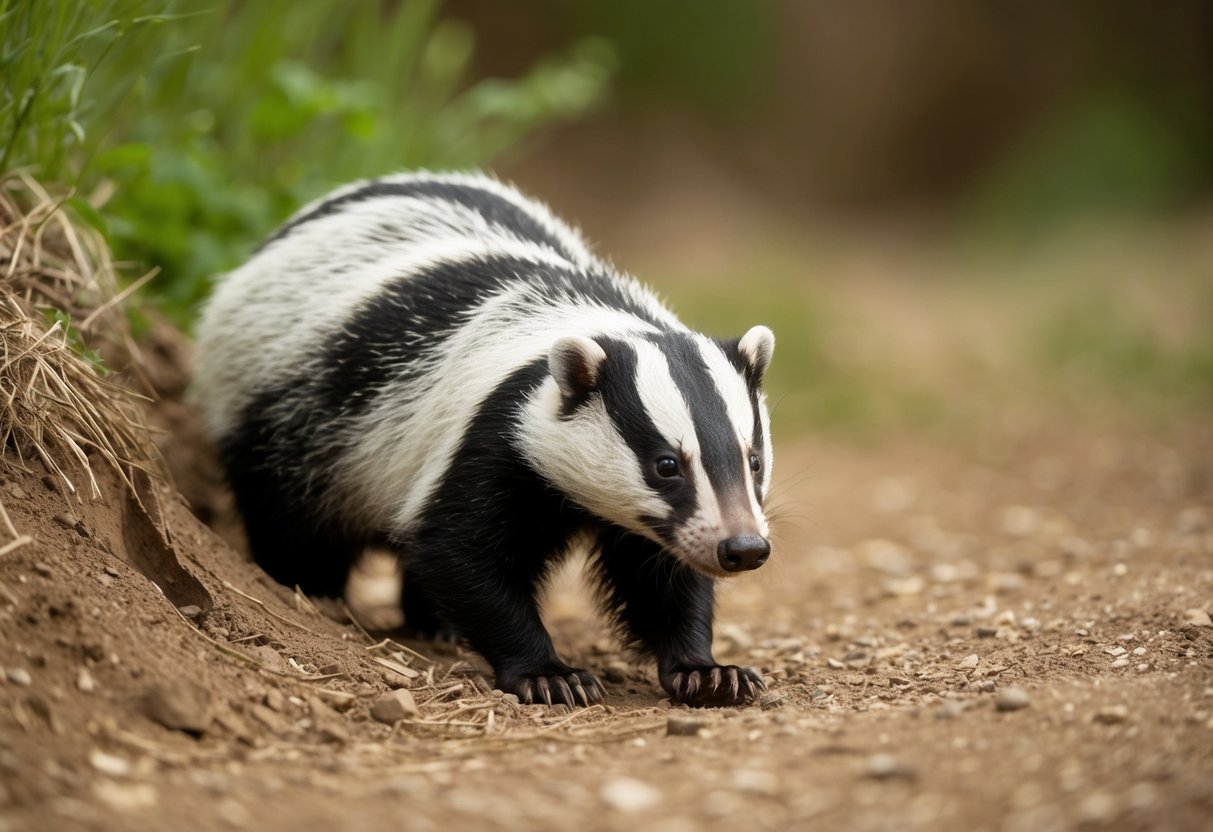
When you encounter a badger, it’s important to recognize their behavior to stay safe. Understanding the differences between aggressive and non-aggressive interactions can help you respond appropriately.
Identifying Aggressive Behavior
Aggressive badger behavior can occur if you get too close or threaten them. Signs of aggression include hissing, growling, and standing on their hind legs. They may also show their teeth or release a strong odor.
If you see these signs, back away slowly without turning your back. Badgers, while generally shy, can become defensive if they feel threatened.
While badgers are not usually dangerous, be aware that they can bite. A badger bite can be serious and may lead to infection or diseases like rabies. It’s best to keep your distance and avoid cornering them.
Non-Aggressive Interactions
Most of the time, badgers are not looking for a fight. If you see a badger, it will likely run away or find its burrow to hide. They prefer to avoid humans and are more interested in hunting small rodents.
To enjoy observing badgers safely, maintain a respectful distance. Do not attempt to touch or feed them. Instead, use binoculars or a camera to watch them from afar.
You can also educate others about badger behavior. This helps promote coexisting peacefully with these fascinating animals while ensuring everyone’s safety.
Badger Bites and What to Do
If you are bitten by a badger, it’s essential to act quickly. Wash the wound thoroughly with soap and water. Apply a clean bandage and seek medical attention immediately, especially if the badger seemed aggressive or sick.
Monitor for any signs of infection, such as redness, swelling, or increasing pain. Badgers can carry rabies, so informing a healthcare professional is very important to rule out any serious issues.
When You Encounter a Badger
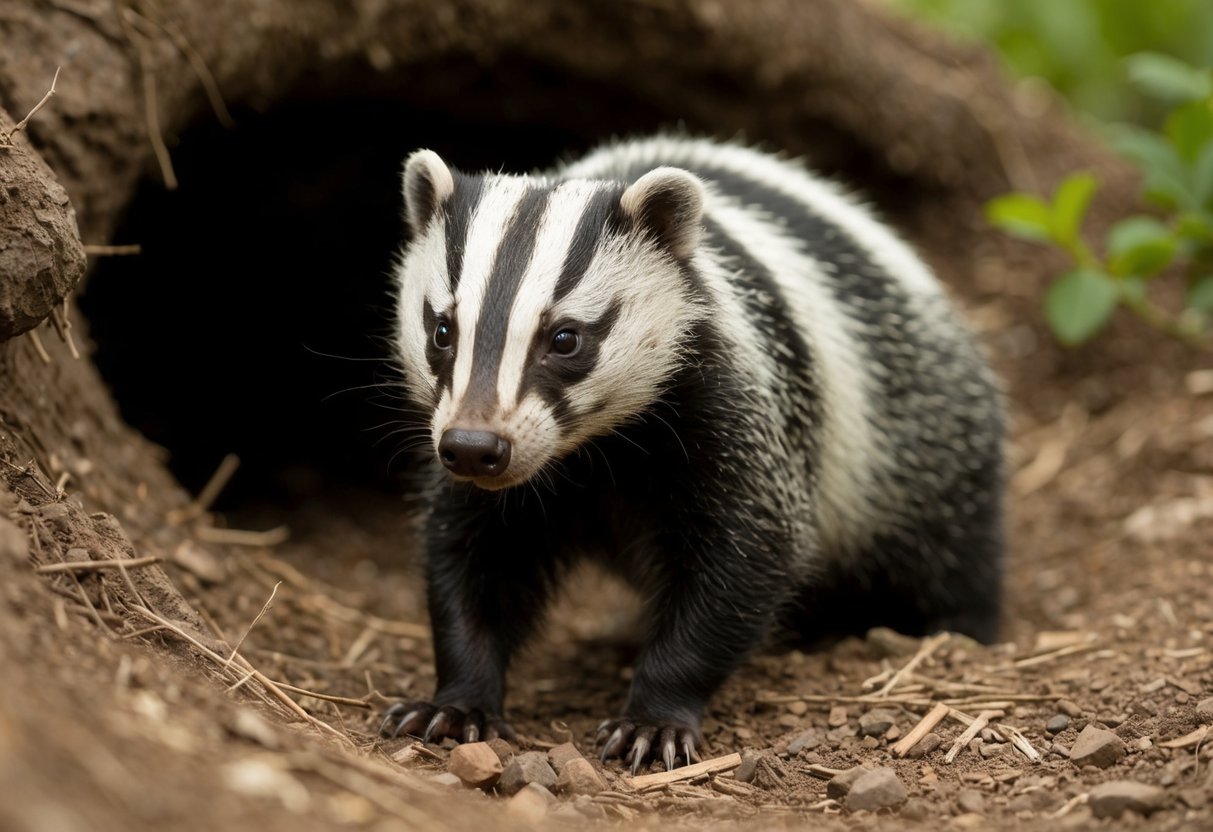
Seeing a badger can be an exciting moment. It’s important to know how to react properly and keep both yourself and the badger safe. Here are important responses if you encounter a badger, and what to do if you find one that may be injured or a baby.
Appropriate Responses to Badger Sightings
If you spot a badger, maintain a safe distance. Badgers can be defensive if they feel threatened. Stand back and observe the animal without trying to provoke it.
If you are in an area known for badger territories, keep your campsite tidy and store food securely. This prevents attracting badgers to your site. Avoid feeding them, as this can encourage them to come closer.
In the unexpected case where a badger approaches you, remain calm and back away slowly. Do not panic or run, as this can trigger a chase response. If you feel uncomfortable, it’s best to leave the area.
Assisting Injured or Baby Badgers
If you encounter an injured badger, do not try to handle it yourself. Frightened wildlife may bite or scratch in self-defense. Contact a local wildlife rescue service for assistance. They have the proper training and equipment to help the animal safely.
If you find a baby badger alone, observe from a distance. Mother badgers usually have specific routines for feeding their young. If the baby seems abandoned or injured, again, contact a wildlife rescue professional. They will know the best course of action to take to ensure the well-being of the animal. Always prioritize safety for both you and the badger.
Badger Conservation and Coexistence
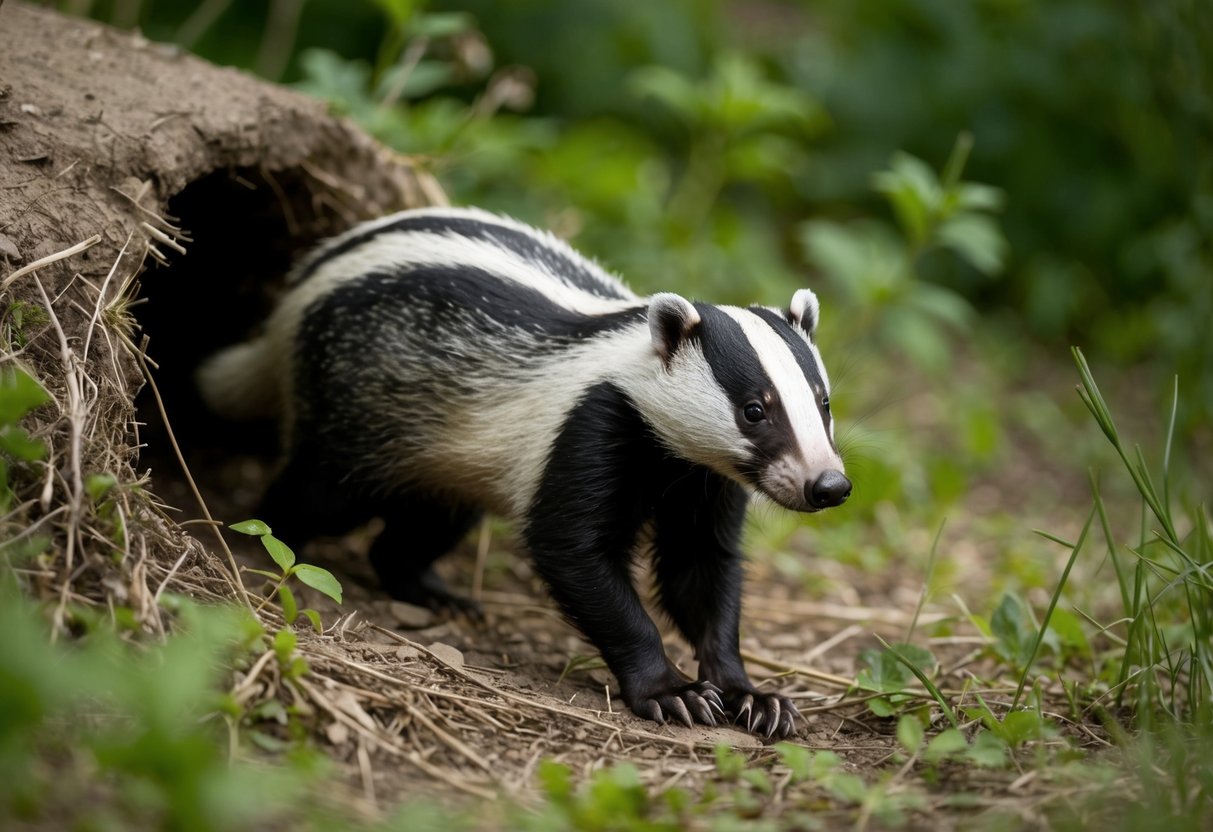
Seeing a badger in the wild can be an exciting experience. It is important to understand how to coexist peacefully with these fascinating creatures.
Badgers live in family groups called clans. Each clan has a defined territory that they defend. You may find them sharing their habitat with other wildlife such as raccoons, bobcats, and even snakes. This diverse ecosystem helps maintain balance in nature.
Conservation efforts are vital to protect badgers and their habitats. Unfortunately, badgers are at risk from habitat loss and diseases like bovine tuberculosis. This illness can affect badgers and other animals in their ecosystem, leading to serious health issues.
To help badgers thrive, avoid disturbing their homes, known as setts. If you see cubs, it’s best to watch from a distance. Young badgers are playful and curious, but their safety is the top priority.
You can create a welcoming environment for badgers by providing safe areas for wildlife. This benefits not only badgers but also other species like coyotes.
Respecting their space and understanding their role in the ecosystem will create a harmonious relationship. By learning about badgers, you can enjoy their presence while helping to protect these unique mammals for future generations.


