
Badgers often find themselves at the center of controversy, especially when it comes to culling. In the UK, badgers are killed mainly due to concerns about the spread of bovine tuberculosis (bTB) among cattle. This has led the government to implement culling as a method to control badger populations, despite the ongoing debate about its effectiveness and humaneness.
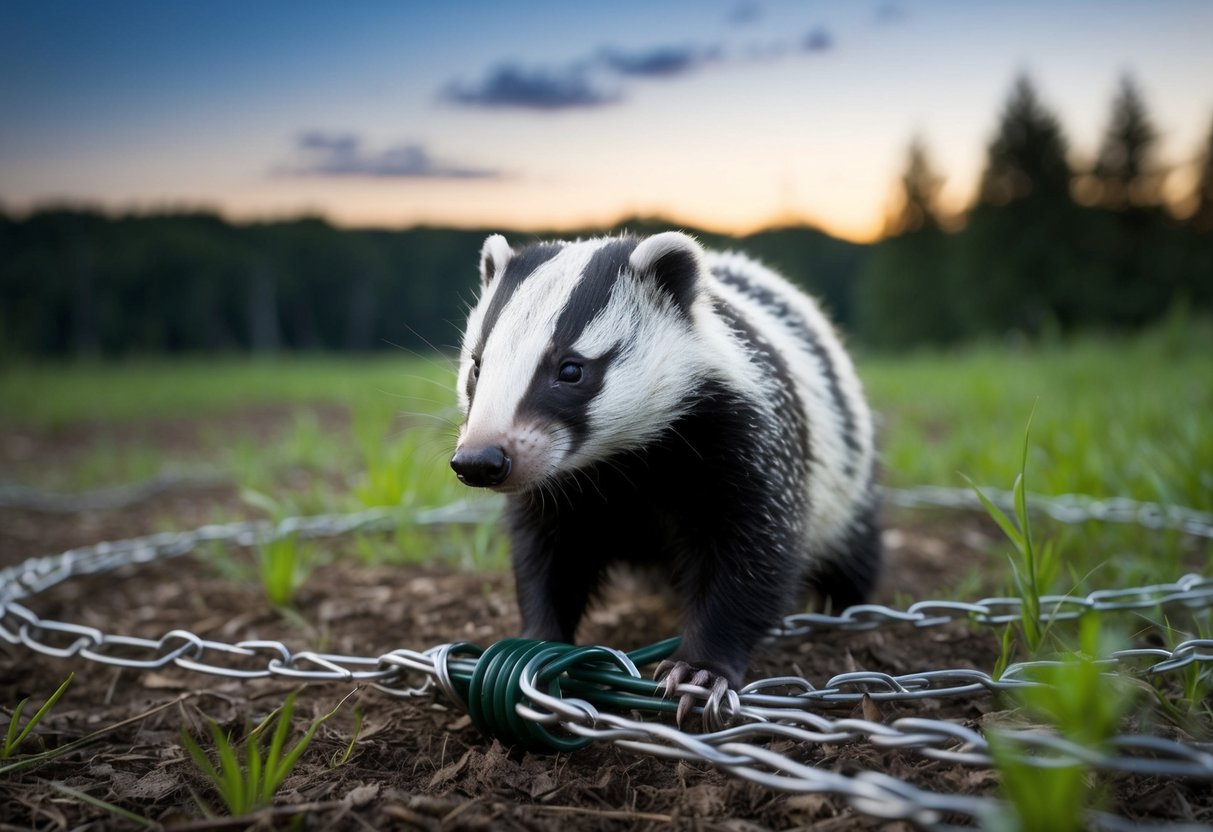
You might be wondering about the impact of this practice on animal welfare. Many animal rights advocates argue that the methods used in badger culling are cruel and unnecessary. As public awareness about these issues grows, more people are questioning whether culling is the right approach or if alternative solutions could be found.
Understanding the reasons behind badger culling can help you become more informed about wildlife conservation and animal rights. As you read on, you’ll discover the complexities surrounding this issue and what can be done to promote better treatment for badgers and other wildlife.
Reasons for Badger Culling
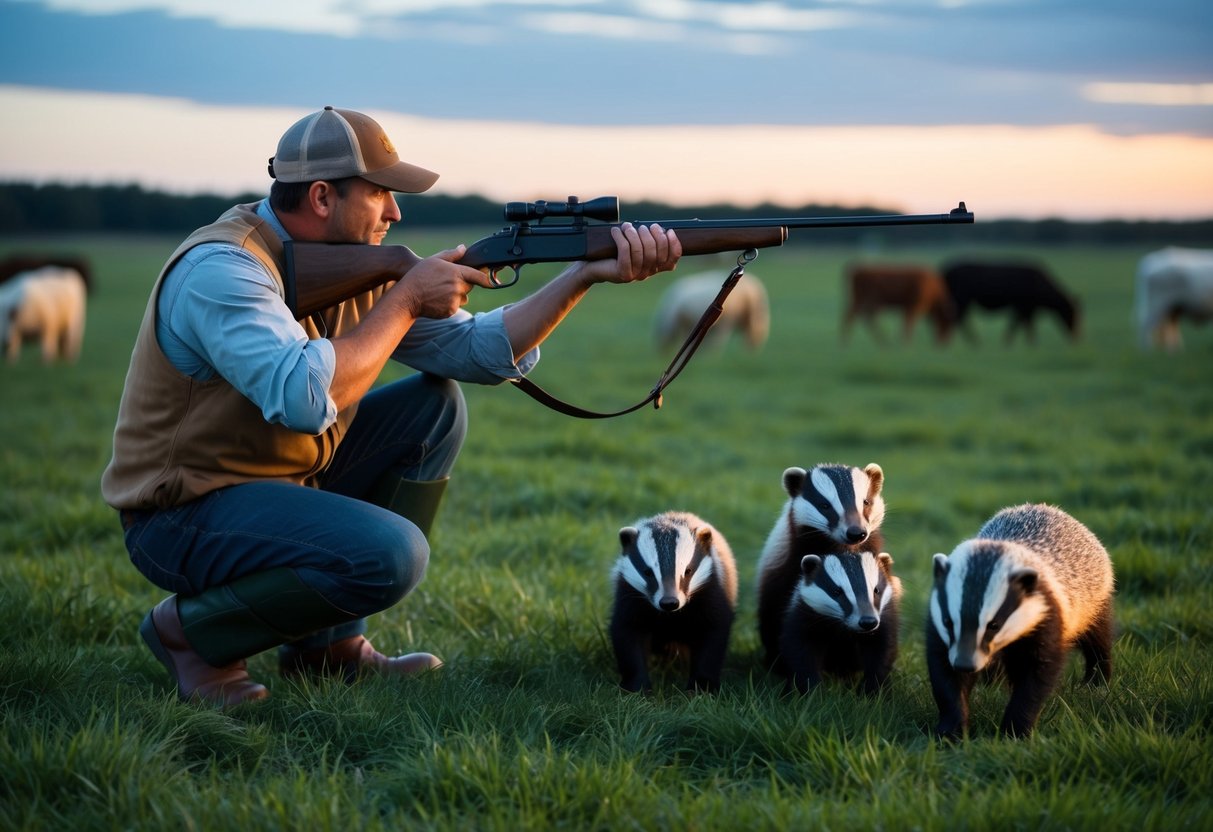
Badger culling takes place for various reasons, largely linked to animal health and population management. This section explains the key aspects that justify culling processes in certain areas, including the ongoing issue of bovine tuberculosis and the laws influenced by government policies.
Bovine Tuberculosis Transmission
Bovine tuberculosis (bTB) is a serious disease that affects cattle and poses a threat to the agriculture industry. Badgers are known carriers of bTB, and their interactions with livestock can lead to the spread of this disease.
Culling badgers is seen as a way to lower the risk of bTB transmission. High-density areas, known as badger cull zones, often experience a higher incidence of this disease. DEFRA has permitted culling in these areas to control badger populations, aiming to reduce bTB cases among cattle.
Some argue that culling helps manage the disease, while others believe it does not significantly lower bTB rates. A mix of effective cattle testing and better biosecurity measures can also support disease control.
Badger Population Management
Managing the badger population is another key reason for culling. In certain regions, badger numbers have dramatically increased, leading to potential ecological imbalances. Culling is viewed as a way to keep these populations in check.
Badgers have a complicated social structure and can affect local wildlife. If their numbers rise too high, they could disrupt local ecosystems. By controlling badger populations, the goal is to maintain biodiversity and protect other species.
In addition, culling can help mitigate human-wildlife conflicts. When badgers invade farmland or urban areas, this can lead to property damage and increased road accidents. Balancing badger populations helps reduce these issues and eases tensions with farmers.
Legislation and Government Stance
The Protection of Badgers Act 1992 protects badgers in the UK, making it illegal to harm or kill them without a license. However, the government allows culling under specific circumstances, especially in relation to bTB concerns. This act provides a legal framework for when culling may occur.
The government’s stance aims to manage public health, animal health, and agricultural efficiency. Licensing for culling involves a thorough assessment of local wildlife and disease risk.
While culling can remain controversial, it reflects a larger strategy focused on disease management and rural economy protection. Legislative measures guide decisions to ensure any actions taken serve both ecological and agricultural interests.
Culling Practices and Areas
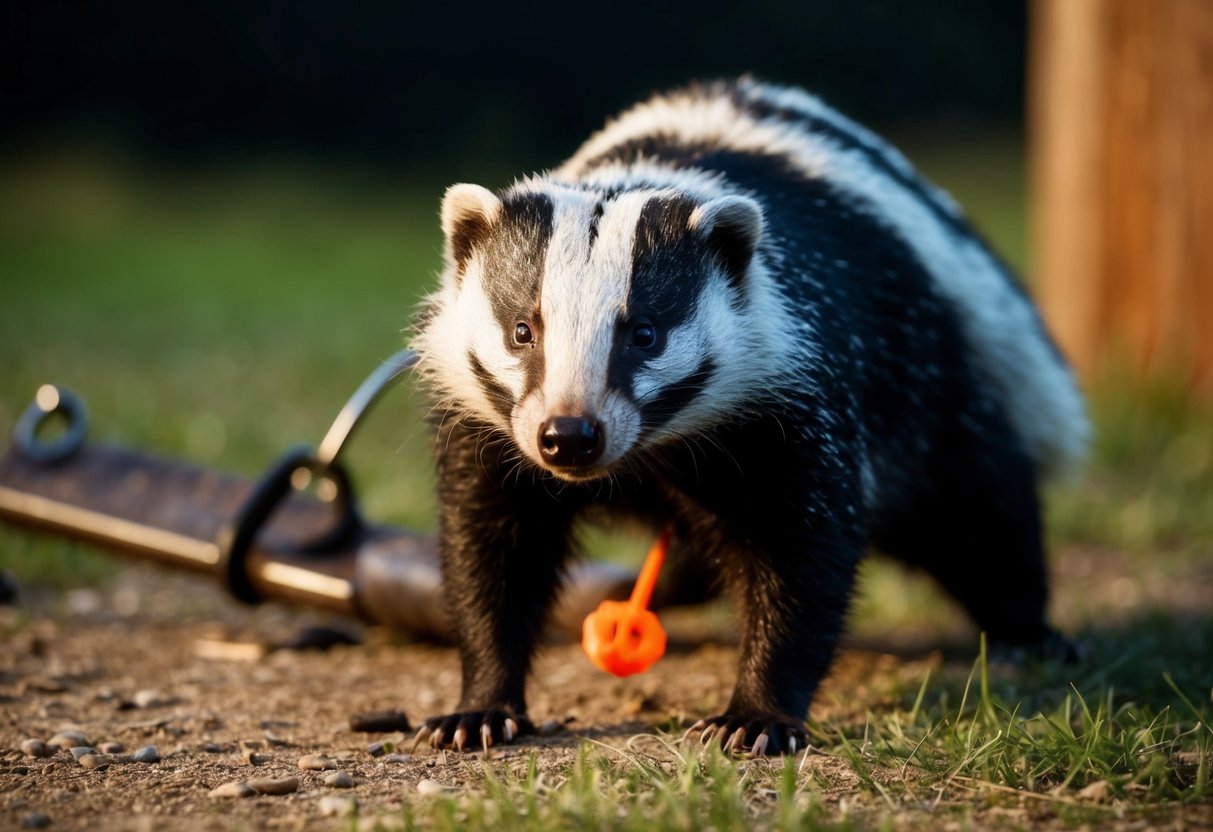
In this section, you will learn about the specific areas where badger culling occurs and the methods used during these practices. Understanding these details helps clarify why culling is a controversial topic.
Cull Areas and Methods
Certain counties in England are designated as cull areas for badgers. These include Gloucestershire, Somerset, Dorset, Shropshire, Herefordshire, Worcestershire, and Staffordshire.
In these regions, culling methods can vary. One common practice is free shooting, where trained marksmen shoot badgers at night. This method is favored because it is considered a quicker way to reduce badger populations. However, concerns arise about accuracy and the potential for badgers to escape.
The culls aim to control the spread of bovine tuberculosis (bTB), which affects cattle. Many farmers support culling, believing it helps protect their livestock. However, it is important to note that evidence is mixed regarding the effectiveness of these culling methods.
Randomised Trials and Results
The randomised badger culling trial studied the effects of culling on badger populations and bTB in cattle. This trial compared areas where badgers were culled to those where they remained protected. The goal was to see if culling reduced bTB rates.
Results from this trial showed that while culling badgers might lower local badger populations, it does not always significantly decrease bTB in cattle. Additional findings from the randomised badger control trial suggested that culling could even lead to increased infection rates in surrounding areas due to surviving badgers roaming more widely.
The complexities of badger culling make it a challenging issue, with various opinions about its success and ethics.
Impact on Ecosystem and Cultures
The culling of badgers raises significant concerns about wildlife welfare and the overall health of ecosystems. Understanding these impacts can help you appreciate their role in nature and culture.
Wildlife and Habitats
Badgers play a vital role in maintaining balanced ecosystems. They help control insect populations and can influence the distribution of other species. When badgers are removed, you might see changes in the population of animals like hedgehogs. Hedgehogs have been declining due to habitat loss and competition, partly caused by badger culls.
These animals also create spaces for other species by digging burrows, which can be crucial for various wildlife. When badgers are culled, it is not just badgers that suffer; the entire habitat may be affected. Furthermore, culling practices can sometimes lead to wildlife crimes, as not all culling is conducted legally or ethically.
Cultural and Historical Significance
In British culture, badgers hold a special place. They are often seen as symbols of the countryside and are featured in folklore and stories. Many people admire these animals for their tenacity and adaptability.
Your relationship with these creatures can be tied to local traditions and community pride.
Moreover, badger protection laws reflect societal values regarding animal welfare and conservation. When badgers are targeted, it raises ethical questions about how we treat wildlife.
You may find that protecting badgers also helps support hedgehog friendly gardens and hedgehog highways, which benefit various species. This shared focus on conservation illustrates the interconnectedness of wildlife and cultural practices in our lives.


