
Badgers can stir up quite a bit of concern among homeowners, especially if they start digging up gardens or lawns. They are generally shy and not aggressive, but they can cause damage to your outdoor space. If you notice signs of badgers in your yard, it’s important to assess the situation and determine the best course of action.
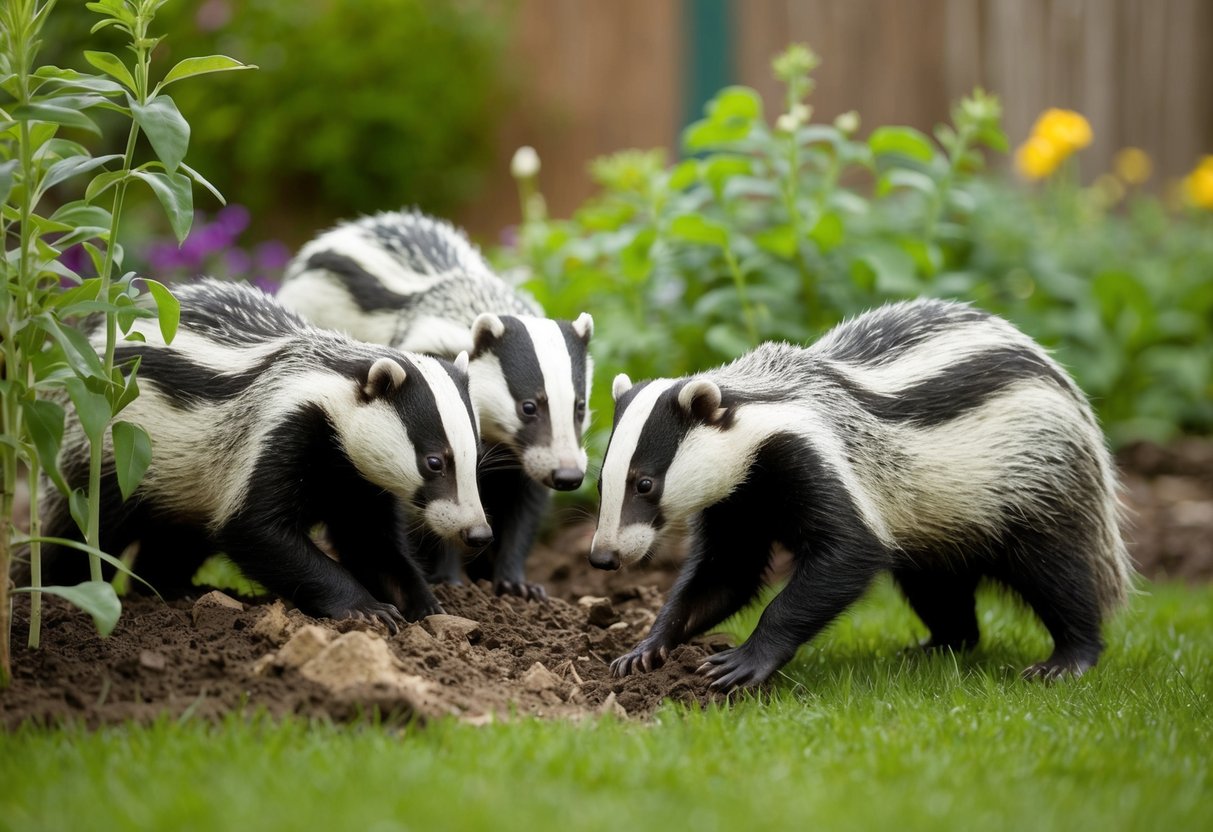
Many people wonder if badgers are a significant problem. They tend to be most active at night and prefer to avoid human contact. Nevertheless, if they feel threatened or their habitat is disturbed, you may find them in your garden looking for food. Understanding their behavior can help you decide how to manage any issues.
By learning more about badgers and their habits, you can better protect your property while also respecting these animals. Sticking around to explore effective ways to coexist with them can lead to a positive outcome.
Understanding Badgers
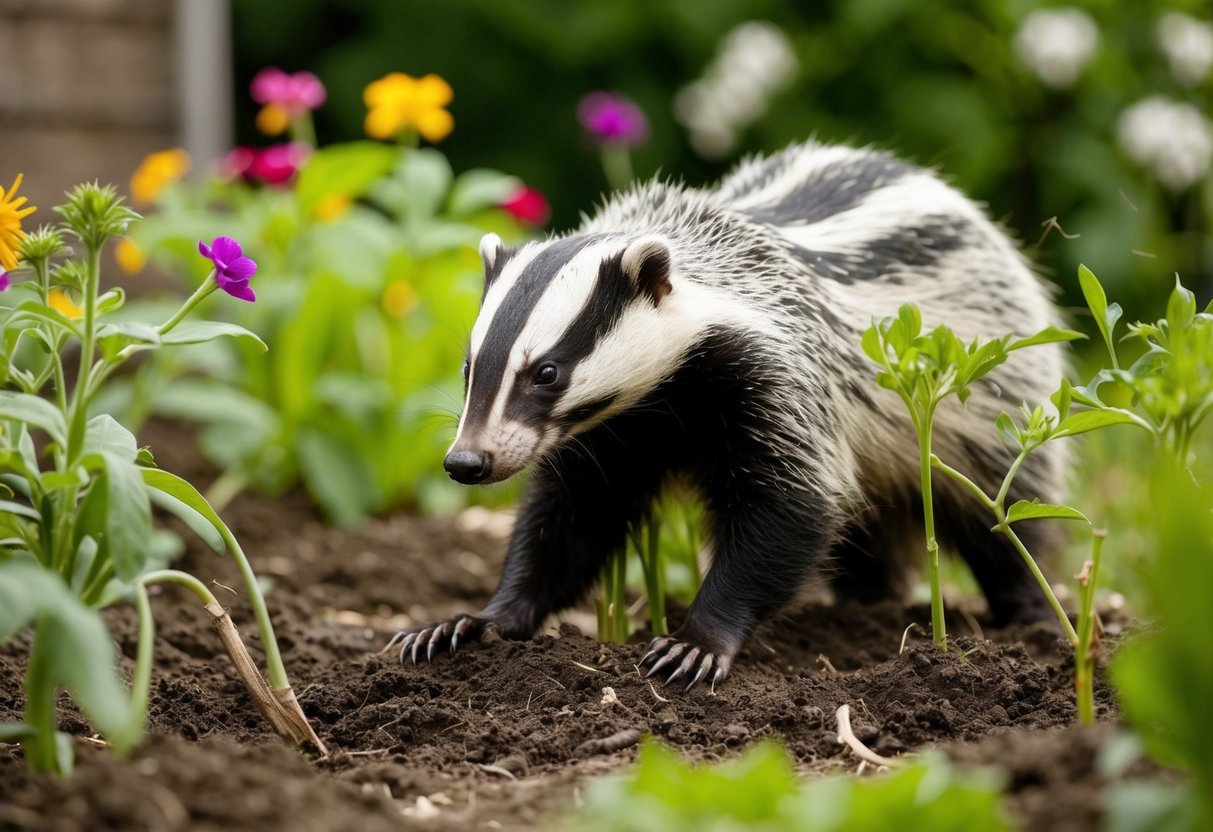
Badgers are fascinating creatures with unique behaviors and specific habitats. Learning about their biology, behavior, and living conditions helps you understand them better and determine if they can be a problem in your area.
Badger Biology and Behavior
Badgers are recognized by their stout bodies and distinctive black and white stripes on their faces. They typically weigh between 15 to 30 pounds and can be about a foot tall.
These animals live in burrows called setts. Setts can have multiple entrances and are often dug into soft soil. Badgers are nocturnal, meaning they are most active at night. They have strong digging skills, which helps them search for food like earthworms and small mammals.
Though they tend to avoid humans, badgers can become territorial when threatened. They communicate using vocalizations, scents, and aggressive displays if necessary. Understanding their behavior is key to knowing how to coexist with them without fear.
Distribution and Habitat
Badgers are commonly found in various habitats, including woodlands, grasslands, and even urban areas. You might spot them in parks or fields where they dig for food.
Habitat loss is a serious issue for badgers, leading to declining populations in some regions. They require areas with ample soil for digging and enough food sources.
Badgers play a critical role in the ecosystem by controlling small mammal populations and helping with soil aeration. If you live near their habitats, understanding their needs will help you appreciate their importance.
Badgers and Human Interactions
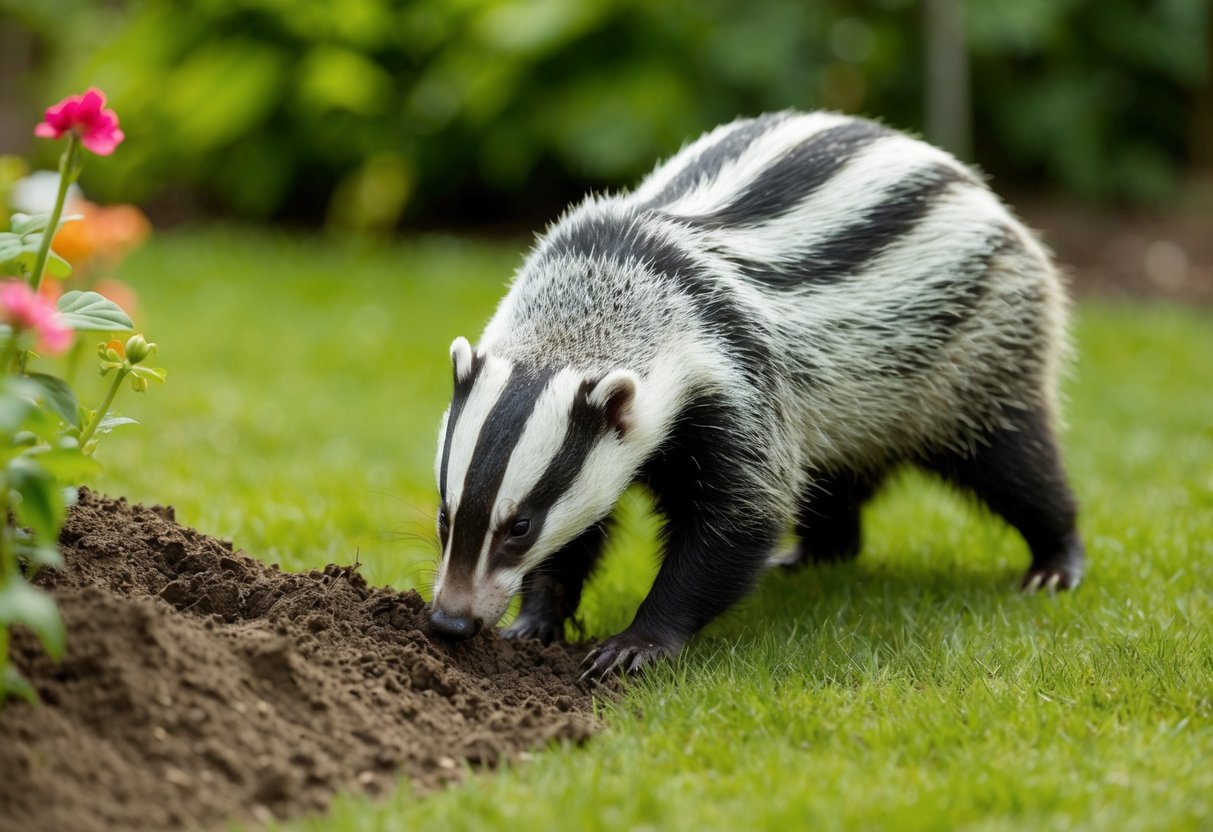
Badgers can create unique challenges for people, especially in gardens and farming areas. Their behavior often leads to conflicts, and understanding the cultural and legal context is important. Here are some key aspects of how badgers interact with humans.
Badgers in British Culture
In British culture, badgers hold a special place. They are often seen in folklore and literature, symbolizing strength and resilience. Many people have a fondness for badgers, which is reflected in art, stories, and local traditions.
However, this admiration can clash with practical concerns. For gardeners and farmers, badgers can cause damage by digging up plants or disturbing the ground. Balancing respect for these animals with the need to protect your garden can be tricky.
Badger Damage and Deterrents
Badgers can cause damage to gardens by digging for insects and bulbs. They may also create burrows, leading to soil erosion. To deter badgers, consider using electric fencing. This is an effective barrier that can keep them out of specific areas.
Other methods include using strong scents like cayenne pepper or commercial repellents around your garden. Removing potential food sources, like pet food or trash, can also reduce their attraction to your yard. If problems persist, consult local wildlife control for more tailored solutions.
Legislation and Badger Protection
Badgers are protected under the Protection of Badgers Act in the UK. This law makes it illegal to harm or kill badgers. Wildlife conservation efforts stress the importance of protecting these animals, as they are essential for the ecosystem.
Unfortunately, badger persecution still happens, often due to conflicts with farming. Crimes like badger baiting highlight the need for awareness around animal cruelty. Knowing the laws can help you handle badger interactions appropriately and responsibly.
Conservation Issues

Understanding the challenges that badgers face is important for their survival and the balance of nature. There are several key topics to address, including their impact on the ecosystem, the controversies surrounding culling, and the efforts towards conservation and raising public awareness.
Impact on Ecology
Badgers play a role in their ecosystem that benefits various species. As omnivores, they help control populations of small mammals, insects, and plants. This predator-prey relationship is crucial for maintaining balance in grasslands and woodlands.
However, the decline in badger populations can lead to changes in these ecosystems. For example, fewer badgers can contribute to an increase in small mammals, which may impact hedgehog populations that compete for food. Supporting badger populations is essential for preserving the broader ecological health of their habitats.
Culling Controversy
The practice of culling badgers has sparked heated debates. Culling is often proposed as a way to control population numbers and reduce diseases like bovine tuberculosis in livestock. Yet, many argue this approach is harmful and ineffective.
The Badger Trust and wildlife conservation groups highlight the ethical issues of culling. They point out the negative effects on badger families and their habitats. Additionally, studies show culling may not significantly reduce disease transmission. This fuels ongoing discussions about finding more humane and effective solutions for population management.
Conservation and Public Awareness
Conservation efforts focus on protecting badger habitats and increasing awareness about their role in the ecosystem. Organizations are working to educate the public on the importance of badgers for biodiversity.
You can help by supporting local wildlife groups and sharing information about badger protection. Encouraging wildlife-friendly practices, like creating habitats in your garden, can also make a difference. Public engagement plays a vital role in ensuring that badgers receive the support they need for a sustainable future.
Coexisting with Badgers

Living near badgers can be manageable with the right approach. By using effective solutions and fostering healthy interactions, you can create a peaceful environment for both you and these animals.
Effective Solutions and Alternatives
To deter badgers from your property, think about using specific deterrents. This can include motion-activated lights or noise devices that can scare them away. Fencing can also be effective, but make sure it’s at least three feet tall and buried a foot underground to prevent digging.
If badgers are becoming a problem, consider planting hedgehog-friendly gardens. Encouraging hedgehogs can help, as they might deter badgers due to their defensive behaviors. Be cautious about attracting ground-nesting birds, as badgers might disturb their nests looking for food.
Another way to manage badger interactions is through badger vaccination programs to address issues like bovine tuberculosis caused by Mycobacterium bovis. Engaging with local groups, such as DEFRA, can provide information on cattle testing and responsible wildlife management.
Promoting Healthy Wildlife Interactions
Creating healthy interactions with badgers involves respecting their habitat and behavior.
Establishing hedgehog highways allows these small mammals safe passage through your garden while helping to keep badgers at bay.
You can also enhance your property for various wildlife.
Planting diverse vegetation can attract a range of animals without specifically drawing badgers. This diversity encourages balance, ensuring that no single species overwhelms your garden.
By taking these steps, you encourage wildlife in a way that respects everyone’s needs.
Understanding badgers and their habits leads to better coexistence. You can enjoy nature while keeping your space harmonious.


