
If you discover a badger sett in your area, you must know how to respond responsibly. Badgers are protected by law and rely on these homes for their safety and comfort. So, you should avoid disturbing the sett. Instead of approaching it, take a step back and observe from a distance. This way, you can enjoy their natural behavior without causing them stress.

Understanding badgers and their habitats can deepen your appreciation for wildlife. Badger setts can be complex, with multiple tunnels and entrances. If you’re curious about their habits, you can look for signs nearby, like droppings or markers indicating their territory. Just remember, watching from afar is key to ensuring these amazing creatures remain undisturbed.
If you’re interested in exploring badger watching or helping with conservation efforts, consider joining a local group. You can learn more about badgers and contribute to their protection while still enjoying the beauty of nature.
Identifying a Badger Sett
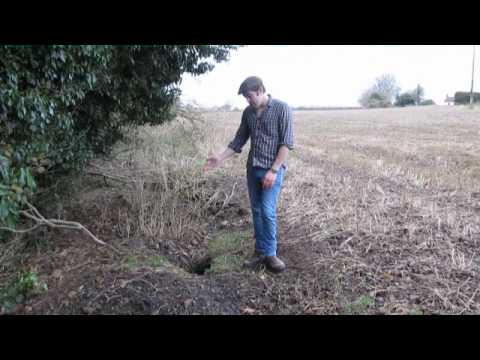
Finding a badger sett can be exciting, but knowing how to identify one is essential. Badgers leave clear signs of their presence. You just need to know what to look for. Here are some key indicators to help you recognize a badger sett and distinguish it from other burrows.
Recognizing Signs of Badger Activity
Look for fresh signs that show badgers are nearby. One main indicator is spoil heaps. These are piles of loose dirt that badgers dig out when creating or maintaining their sett. You may also see tunnels leading into the ground that are about 25 to 30 centimeters wide.
Check the area for claw marks on the ground or around the entrances. These marks can help confirm that badgers have used that specific spot. In addition, you might find badger dung, which looks like greasy, black, sausage-shaped droppings, usually found in a specific latrine area nearby. Keep an eye out for all these signs to help you locate a sett.
Difference Between Setts and Rabbit Holes
It is important to differentiate between badger setts and rabbit holes. Badger setts are typically larger. They have multiple entrances and complex tunnels that can go deep into the ground. In contrast, rabbit holes are smaller and usually only have one entrance with simpler tunnels.
Another difference is the spoil heaps. Badgers create noticeable mounds of dirt next to their entrances, while rabbits do not. The location can also help you identify them. Badgers prefer to dig their setts in sloping areas, avoiding damp or marshy land. By recognizing these features, you can effectively tell a badger sett apart from a rabbit burrow in your area.
Assessing the Area

When you find a badger sett, it’s important to assess the surrounding area carefully. By observing indicators of badger activity and understanding their territory, you can gain insights into their habits and ensure their safety.
Surveying for Badger Activity
Start by looking for signs around the sett. Badger paths are often visible in the grass or soil. These paths lead to feeding grounds and are usually well-worn. You might also find badger droppings, which are greasy and sausage-shaped. They often leave their droppings in specific areas, known as latrines.
Pay attention to the ground as well. If the soil appears disturbed or there are fresh diggings, it means badgers are active. Look for any clan markings near the sett entrance, such as scratch marks on trees or nearby objects. These signs help confirm that badgers frequently use the area.
Understanding Badger Territories
Badgers live in groups and mark their territories. In woodland areas, you’ll notice that their territories can extend for hundreds of meters. Generally, a badger’s territory may range from 350 to 500 meters from the sett, depending on resource availability.
You can spot boundaries by looking for food sources and shelter. Badgers often prefer sloping ground with thick cover. This helps them hide from predators and access food such as earthworms and insects. Observing these characteristics can help you understand their range and behaviors better, which is vital for their protection.
Engaging with Badger Setts Responsibly

When you encounter a badger sett, it’s important to engage with it safely and responsibly. Understanding the right approach can help protect both you and the badgers.
Approaching With Safety in Mind
When approaching a badger sett, always prioritize your safety. Badgers are generally shy, but they can be unpredictable if they feel threatened. So, you should keep a safe distance, ideally at least 30 meters away, to avoid causing them stress.
Be mindful of noise. Loud sounds can disturb the badgers, who might be resting in their bedding. If you have pets, keep them on a leash to prevent any unwanted interactions. Watch where you step, as you don’t want to accidentally damage the sett or cause harm to yourself.
If you see someone tampering with a sett, do not intervene directly. Instead, maintain your distance and report the incident to local authorities immediately. Your safety and the protection of badgers should always come first.
Legal Considerations and the Badger Trust
The Protection of Badgers Act 1992 protects badgers and their setts. The law makes it illegal to disturb or harm them.
Engage with local badger groups or the Badger Trust for guidance on any concerns. They can offer advice on how to interact with badgers responsibly.
If you discover a blocked sett, do not attempt to unblock it yourself. Instead, reach out to your local badger group for assistance.
Being aware of these legal aspects not only keeps you informed but also helps you contribute to the welfare of these creatures. Acting responsibly reinforces the protection of badgers for future generations.


