
You might picture a lion hunt and wonder, who actually gets the first bite? In most prides, the adult male lions eat first. Their job is to defend the group, and that keeps everyone safe. That’s the basic rule, but honestly, things get interesting when you consider pride size, the size of the kill, and special needs in the group.

Roles and power decide who eats when, and that order really matters for survival and the pride’s health. But there are always exceptions—like hungry moms, injured males, or a massive carcass—that make these feeding scenes way more complicated than you’d expect.
Feeding Hierarchy in a Lion Pride
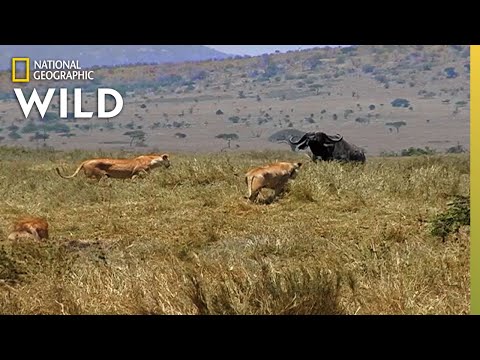
Life in a pride sorts out who eats first by size, role, and rank. Strong adult males usually claim first access. Hunting females follow, then younger lions and cubs. Of course, the rules bend if the kill is small or there’s danger nearby.
Role of Male Lions in Feeding Order
You’ll usually spot adult male lions grabbing the best spots at a carcass. Their size and strength let them muscle in near the gut and neck, where the richest meat and organs are. Males typically eat big chunks fast; they need to keep up their mass for defending territory and the pride.
Males don’t always hunt the prey they eat first. Females do most of the hunting, but males still get priority because they protect the pride from challengers and scavengers. When rival males or hyenas show up, males eat faster or drag pieces away to keep their meal safe.
The Sequence: Lionesses and Cubs at the Table
After males finish with the prime cuts, lionesses move in. They usually feed efficiently on meat farther from the first bites, like the flanks and muscle. Since lionesses hunt the most, they need to balance eating quickly with watching over cubs and the carcass.
Cubs and sub-adults eat last and often get whatever is left. Sometimes mothers let cubs feed earlier or nurse nearby if the carcass is big enough. When the kill is huge, competition drops and cubs can eat sooner. On smaller kills, though, they have to wait and might not get much.
Factors Influencing Who Eats First
Several things can shake up the feeding order: kill size, pride makeup, and threats nearby. A really big prey lets lionesses and cubs eat sooner. Small kills ramp up competition, and the top adults usually get most of the meat.
Age, health, and recent fights also matter. Wounded or older males might lose their spot, while bold sub-adults sometimes push in for a share. If scavengers or rival males are lurking, everyone eats faster and the order can flip. If you want to dig deeper, here’s more on feeding hierarchies in lion prides.
Why the Feeding Order Matters

The order lions eat controls who stays strong, who can raise cubs, and how the group keeps its territory. It shapes daily life, from hunting wins to cub survival.
Protecting the Pride Through Nutrition
Adult males hold territory and fight off rivals, so they need energy. Letting males eat first helps them recover from patrolling and fighting. If a male goes hungry for too long, he might not stop intruders or protect the cubs.
Females do most of the hunting, so there’s a trade-off: hunters feed the defenders first to keep everyone safe. This system works because males and females focus on different jobs—defense and hunting—for the pride’s survival.
Exceptions and Variations in Feeding
Feeding order can shift depending on the situation. If the kill is small or there are lots of cubs, lionesses or nursing females sometimes eat before males. Injured or old males can also get bumped down the line if they can’t hold their own.
When the kill is huge, like a buffalo or giraffe, everyone usually gets a chance to eat. Pride size and the number of males (or coalitions) also change who gets first dibs. These little twists help the pride adapt when food is scarce or social ranks start to shift.
Social Dynamics and Survival
When you watch lions feed, you can pick up on the pride’s hierarchy pretty quickly. Who eats first? That usually shows who’s in charge or who’s got the strongest alliances.
Dominant males usually dive in first, then the lionesses, and after that, the subadults and cubs get their turn. Sometimes, though, mothers will step in and make sure their cubs get enough to eat, even if that means breaking the usual order.
Food sharing isn’t just about manners—it’s tied straight to survival. If males eat well, they’ll defend the territory better. Well-fed females hunt more effectively.
Cubs that get enough food grow up healthier, stronger, and more likely to make it as adults. So, nutrition and social structure are tangled up together, shaping the future of the whole pride.


