
Honestly, most wild seahorses don’t live very long at all. Most seahorses only make it about one to five years in the wild. Smaller types usually don’t last more than a year, and some of the bigger species might stretch to five years or a bit more if things are going well.
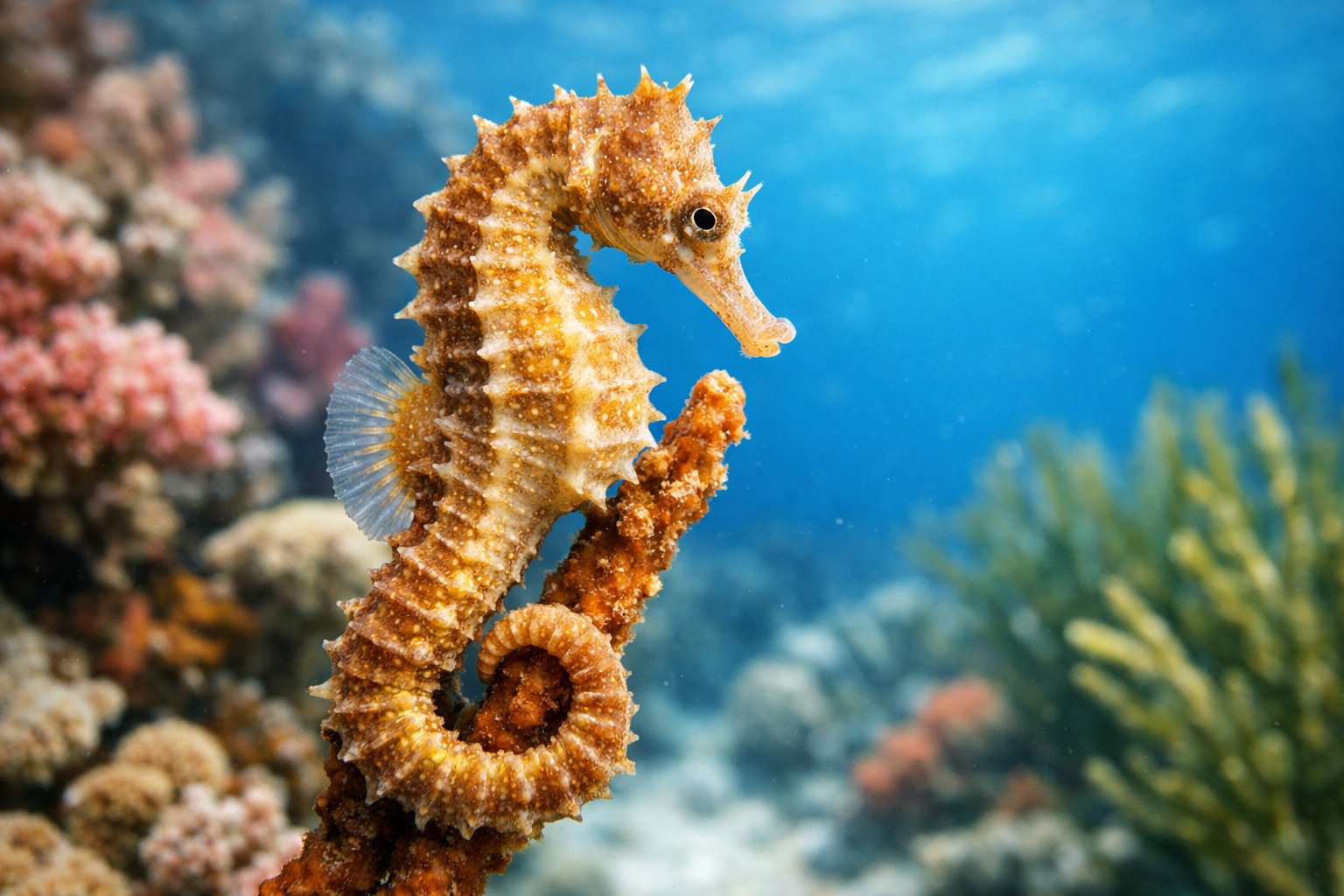
Why do their lifespans vary so much? Let’s dig into different seahorse species and what really changes their odds of making it. You’ll see some clear contrasts between small and large species. I’ll try to keep the explanations straightforward—habitat, predators, and whether they live in captivity all play a part.
Seahorse Lifespan and Species Differences
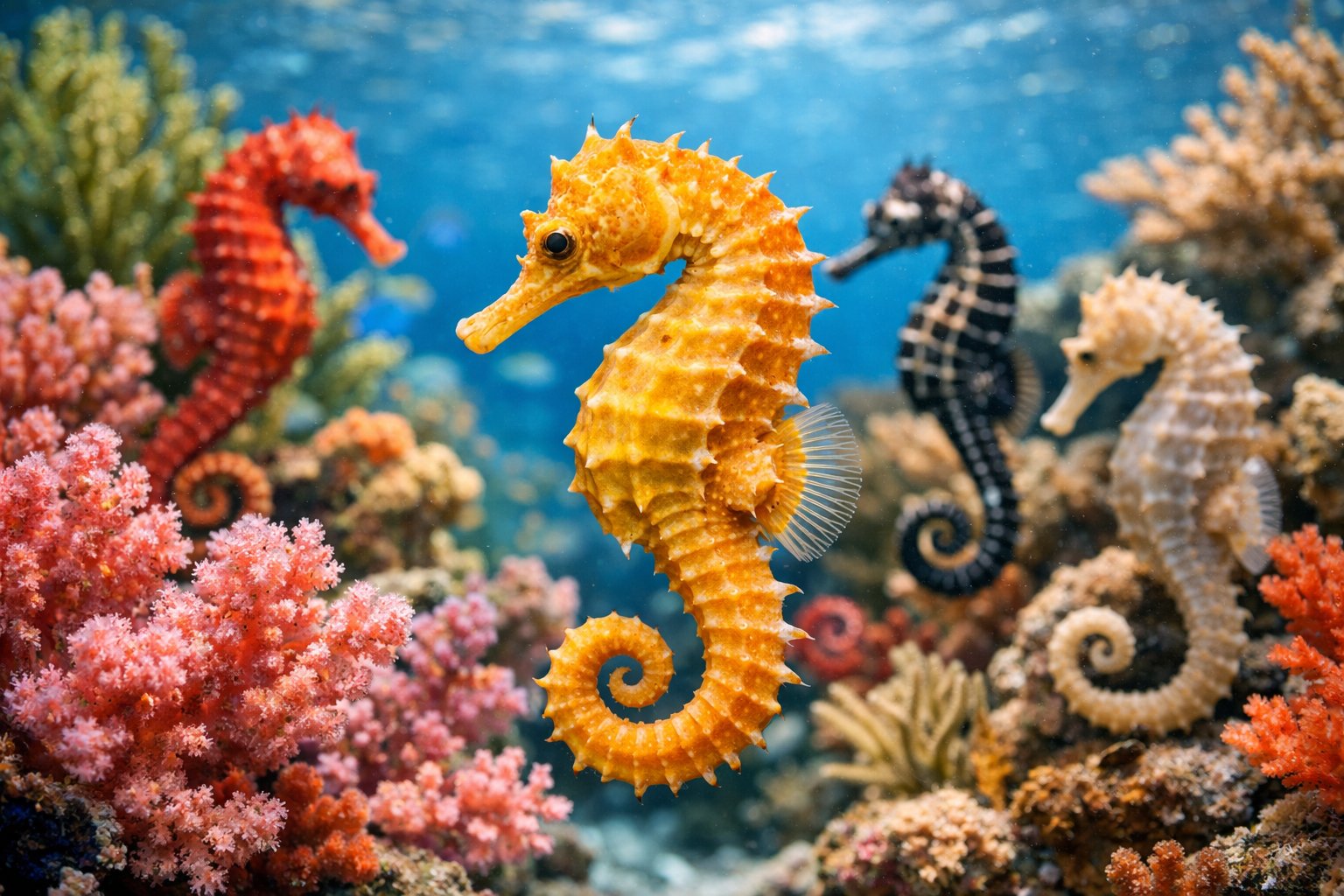
Seahorse life expectancy really depends on their species, size, and where they live. Some only get a year, others might hit five, and life in an aquarium can totally change the game.
Average Lifespan of Seahorses
Most wild seahorses hang on for somewhere between one and five years. The smaller ones grow up fast and die young; the bigger types tend to stick around longer, especially if things don’t go sideways. If you keep a seahorse in captivity, it can sometimes outlive its wild cousins because it skips the whole predator thing and gets regular meals.
Things like temperature, food, and habitat quality make a big difference. Young seahorses have it rough—tons of them never make it past their plankton stage. Once they latch onto something, though, their odds improve. Most species start breeding at around 7–12 months old, which means they don’t waste much time.
Lifespan by Seahorse Species
Different Hippocampus species really show a range. Pygmy and dwarf seahorses? They usually get 1–2 years, tops. Medium-sized ones like Hippocampus erectus often make it 2–4 years. The big guys can push 4–5 years, sometimes a bit more if they luck out.
Even within a single species, you’ll see some variation. Local water temps and food supply can speed up or slow down growth. Field studies from Project Seahorse show adults like to stay in small home areas, which means they dodge a lot of predators compared to the babies. That stability lets some individuals reach the upper end of their lifespan.
Dwarf Seahorse (Hippocampus zosterae)
Dwarf seahorses (Hippocampus zosterae) usually live about 1–2 years in the wild. They grow up fast and hit sexual maturity before their first birthday. Because they’re tiny, a lot of juveniles don’t make it, but the survivors can breed several times.
If you keep dwarf seahorses in an aquarium, they might live longer thanks to regular food and stable water. You’ll need to feed them tiny live foods—copepods or little mysids—and keep the water gentle. Still, their size puts a cap on how long they can go compared to bigger species.
Longest-Lived Seahorse on Record
Someone once recorded a wild White’s seahorse in Australia living about seven years. That’s rare and only happens when everything lines up—few predators, steady food, good habitat. Most species don’t get anywhere near that.
Some captive seahorses have outlived their wild relatives, thanks to careful care. Cases like the seven-year wild seahorse show what’s possible, but honestly, that’s not the norm for most Hippocampus species.
Key Influences on Seahorse Longevity
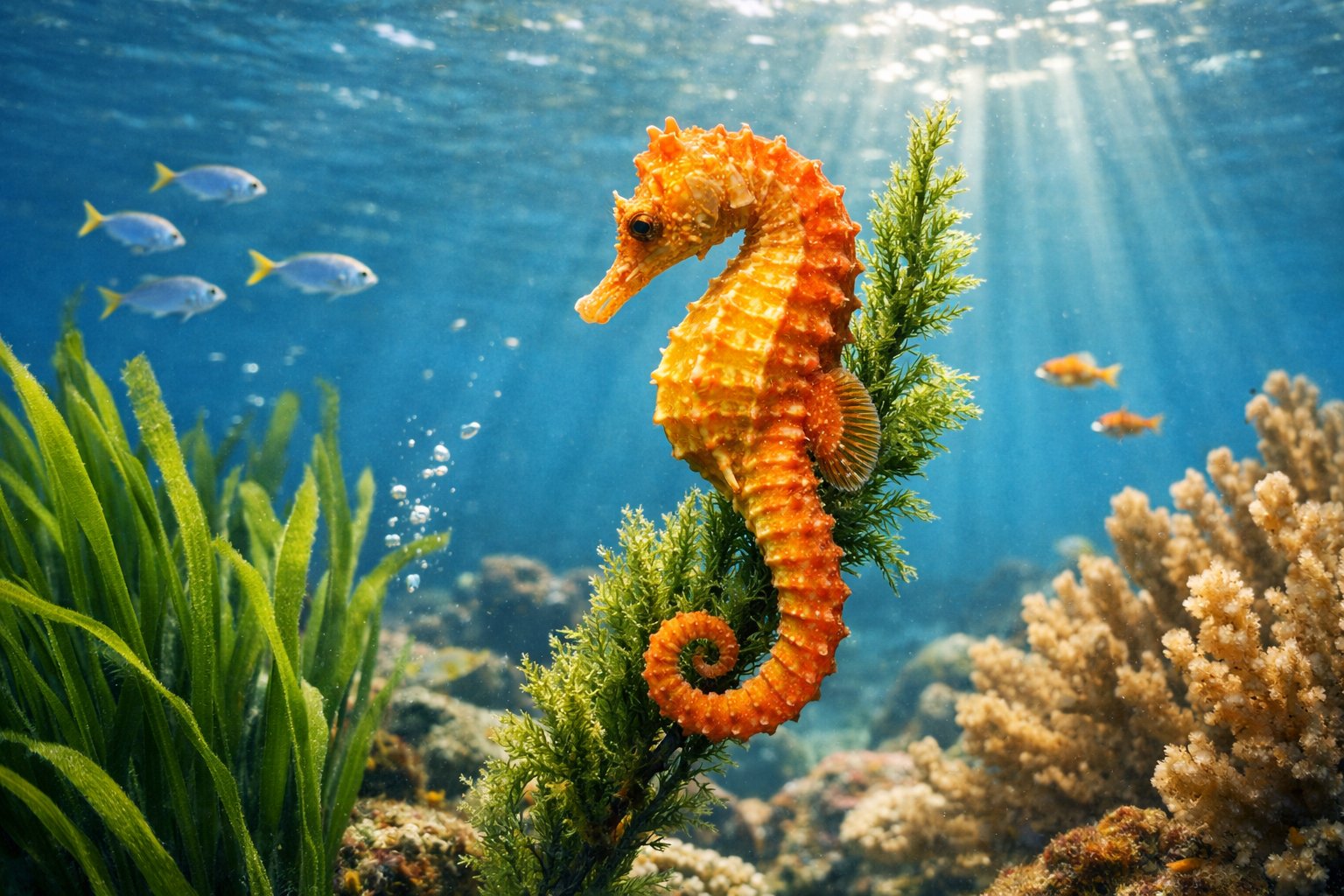
Where a seahorse lives, how well it finds food, and how many predators or humans come after it—these things really decide how long it’ll last. Habitat quality and early survival matter most, and life in captivity changes the odds too.
Natural Habitats and Survival Factors
You’ll spot seahorses in coral reefs, seagrass, and mangroves. These places give them food, something to grab with their tails, and hiding spots from crabs, octopus, and bigger fish. If the habitat’s healthy, seahorses do better—they can hunt shrimp and little crustaceans without drifting into trouble.
Water quality is huge. Stable salinity and temperature make feeding and breeding easier. If people mess up the habitat with dredging, development, or pollution, seahorse numbers drop and their lives get shorter because stress and predators take over.
Wild vs. Captive Lifespan
In the wild, most seahorses get 1–5 years, with the little ones at the low end. Some live longer if they’re lucky, but most don’t. Young seahorses have it rough when they’re drifting as plankton—that’s when most of them die.
In tanks, you can help them live longer by keeping the water good, feeding them copepods and mysid shrimp, and giving them places to hide. But you’ve got to know what each species needs—some want a mate, some want a big tank. If you mess up the care or diet, even captive seahorses won’t live long.
Juvenile Seahorse Development
Whether your seahorse makes it to adulthood mostly comes down to those first days and weeks. Babies hatch from the dad’s pouch and just drift as plankton. That stage is brutal—predators and starvation kill most of them.
Once they settle onto seagrass or coral, they grow faster. They hit maturity at 7–12 months, depending on species and water temperature. Warmer water and loads of tiny prey help them grow quicker, which gives them a better shot at breeding.
Protecting Seahorse Populations
You can actually do a lot to help protect seahorses. Try backing habitat conservation for coral reefs, seagrass beds, and mangroves.
Protected areas tend to lower fishing pressure and slow down habitat loss. That really boosts seahorse survival and helps their populations stick around.
It’s also smart to support rules that limit bycatch and regulate the aquarium trade. People should encourage captive breeding programs that use good genetic practices.
Researchers in molecular biology and population monitoring keep an eye on genetic diversity. They figure out which populations need help, so we can focus on protecting the most vulnerable seahorses.


