
Lions almost always go for the soft organs right after a kill. They’ll usually eat the liver and other internal organs first, since those parts are packed with nutrients and easy to get to.

If you watch a pride at a carcass, you’ll see how hunger and social rank decide who eats what. The biggest and strongest lions grab the best bits, while the rest settle for muscle or whatever’s left behind.
Curious about which organs come first, how social order changes the meal, or why lions sometimes pick different parts? Keep reading for the details.
Which Body Parts Do Lions Eat First?

Lions pick the most nutritious parts first. You’ll find out which organs they grab, how they get to them, and why these organs matter more than plain muscle.
Liver, Kidneys, and Heart: The First Targets
Lions almost always eat the liver first. It’s loaded with vitamins A and B, plus iron, so it gives them a quick boost after a hunt.
They usually go for the kidneys and heart next. Kidneys are full of minerals and nutrients. The heart is dense muscle, packed with protein and taurine, which helps muscles and nerves work right.
These organs are smaller and easy to grab, which matters when other lions or predators are close by.
Dominant lions usually get to the organs first. The top-ranking members eat before subadults or cubs. Organs become even more important when food is scarce or the pride needs a quick nutrient fix.
Opening the Abdomen: Accessing Internal Organs
Lions tear open the belly to reach the good stuff inside. Their strong jaws and sharp teeth rip through skin and muscle.
One lion holds the prey down, while others pull and tear. This teamwork gets them to the organs faster and keeps scavengers like hyenas away.
If the prey is huge, lions might start at a soft spot like the neck or flank, then move to the belly. But if other predators are nearby, they head straight for the abdomen to get the best parts before anyone else does.
Nutritional Value of Organs vs. Muscle Meat
Organs are way richer in vitamins and minerals than muscle. The liver gives lions vitamin A, B vitamins, and iron. Kidneys add more minerals and electrolytes. The heart packs in protein and taurine.
Muscle meat is mostly bulk protein and calories, but not as many micronutrients. Organs supply the fat-soluble vitamins and minerals lions need after a tough hunt.
When lions break bones, they get fatty marrow too. But organs are still the fastest way to get essential nutrients that keep them healthy and help them reproduce.
Feeding Behavior, Order, and Influences
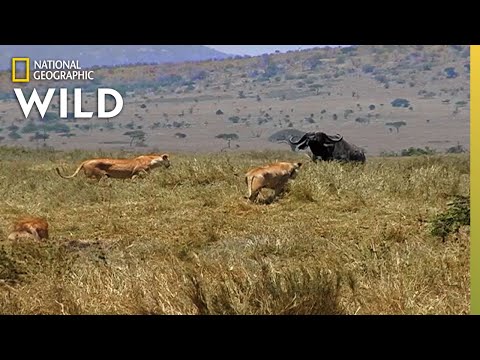
Lions go for the most nutritious parts first, and pride rank decides who eats when. You’ll see organs disappear early, dominant lions eat first, and competition from other predators can make the whole process a lot faster.
Social Hierarchy and Feeding Order
Feeding follows a clear order. Dominant males usually get the first bite at a fresh kill.
They shove others aside and go straight for the liver and kidneys. After that, the top lionesses eat.
Subadults and lower-ranking females wait their turn. Cubs eat last, though sometimes adults let them have softer meat.
This order keeps the strongest lions healthy and helps the pride work as a team.
If the prey is small, everyone eats fast and the organs vanish quickly. With a big animal, you might notice more squabbling and longer meals, so different lions get different pieces.
Role of Dominant Males, Lionesses, and Cubs
Each lion has its own role at a kill. Dominant males defend the carcass and get the richest parts first.
Their size and status let them eat organs and take big chunks of meat. Lionesses do most of the hunting and make sure cubs get food.
They often lead cubs to softer, easy-to-chew parts. Subadults have to compete more and sometimes get less if males are around.
Cubs rely on adults for food. If there’s not much to go around, adults can be strict and cubs only get scraps.
When there’s plenty, adults let cubs have more organs and tender meat so they can grow.
Factors That Affect What Lions Eat First
Prey size and freshness change how lions eat. With small prey, they strip the organs first to get nutrients fast.
If the prey is big, they might start with exposed muscle that’s easier to reach. Hunger plays a big part too.
In tough times, lions eat everything, even skin and bones. When food is easier to find, they can be picky and go straight for liver, kidneys, and marrow.
What lions eat first also depends on their own preferences and how hungry they are.
Human activity and prey numbers make a difference as well. If prey gets scarce, lions face more competition and might change their habits.
That can affect the whole pride and connects to conservation issues you might’ve heard about.
Scavenging and Competition With Other Predators
Lions hunt, but they’ll also scavenge when the opportunity arises. If hyenas, vultures, or jackals show up, lions start eating faster to protect their kill.
Hyenas, in particular, make lions rush. Sometimes, lions end up eating parts they’d normally skip just to avoid losing out.
Other predators can steal or ruin the carcass. Vultures swoop in and pick at the organs right away, which sometimes forces lions to change up what they eat first.
Jackals usually come later and grab whatever scraps are left. They sort of clean up after the lions.
Competition can really mess with how much nutrition the pride gets. When more scavengers show up, cubs and younger lions might miss out on the best parts.
That kind of pressure sometimes pushes the pride to hunt more often. Or, honestly, they might just risk fighting over what’s left.


