You might think male lions do most of the hunting because they look so big and intimidating. But that’s not really how things work out in the wild.
Female lions handle most of the hunting for a pride. They rely on teamwork and speed to bring down prey, while males usually step in for larger kills or hunt solo when they’re not part of a pride (https://a-z-animals.com/animals/lion/facts-lion/do-male-lions-hunt/).

Curious how lionesses pull off these group hunts? Or why males still matter? Let’s dig into how their different body types and roles shape who hunts when. Lion life is a constant balancing act—protection, territory, food—so every lion has a job.
Female Lions as Primary Hunters

Female lions lead most of the hunts for their pride. They hunt together, use stealth and speed, and show cubs how it’s done by example.
Cooperative Hunting Tactics
Lionesses hunt in groups and coordinate their roles. Some crouch low and drive prey toward their waiting teammates.
Others flank or block off escape routes. This kind of teamwork really bumps up their chances, especially when chasing fast antelope.
They usually start hunts at dawn or dusk, using the low light to hide their movements. Lionesses stalk close, burst forward for a short sprint, and try to ambush prey within 20–30 meters.
They don’t chase prey for long distances. Instead, they rely on surprise.
They use vocal cues and body signals to stay in sync. One lioness might signal a charge with a low growl or a sudden move.
When they go after bigger prey like buffalo, you’ll sometimes see males join in. But most everyday kills come from the coordinated efforts of the females.
Lioness Adaptations for Hunting
You can spot features that give lionesses an edge. They’re lighter and more agile than males, which helps them turn quickly and sprint in short bursts.
Their sharp, retractable claws and strong forelimbs help grab and hold onto prey.
Eyes adapted for low light let them hunt better at dawn and dusk. Their tawny coats blend into the grasslands, and their compact bodies make it easier to stay hidden during a stalk.
Lionesses also have the stamina to try several times in a single hunt.
Behavioral tricks matter too. Lionesses learn the best ambush spots, read prey behavior, and time their attacks for when the wind and light are just right.
They pass these skills down through the generations by watching and hunting together.
Impact of Hunting on Lion Cubs
Cubs pick up hunting skills by watching and tagging along on adult hunts. Lionesses sometimes bring back live or partly killed prey so cubs can practice biting and pulling without too much danger.
This kind of hands-on learning builds their confidence and technique.
When lionesses bring back more food, cubs survive better and grow faster. If food is scarce, cubs get weaker and take longer to learn the ropes.
Social learning shapes how cubs behave. They copy stalking, timing, and even the roles they see adults take.
Older sisters or aunts often supervise, giving cubs lots of chances to practice—both in play and on real hunts.
Hunting Roles of Male and Female Lions
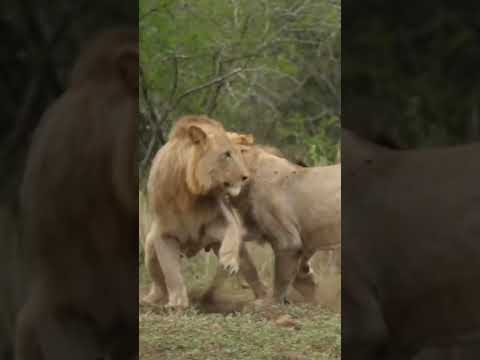
So, who hunts more, and how does it change with the environment? Let’s look at what each gender actually does.
Division of Labor Within the Pride
Lionesses lead most group hunts. They stick together in related coalitions and use stealth, speed, and teamwork to ambush prey like zebra and wildebeest.
You’ll see them split up roles during a hunt. Some flank, some drive prey, and others finish things off.
Male lions spend more time guarding territory and protecting the pride from rivals. You might spot them joining a hunt for really big prey—buffalo, giraffe—where their strength is needed.
But their big manes and size make them less sneaky, so you don’t often see them doing the careful stalking.
Female lions also take care of cubs and feed them. That ties them closely to the pride’s daily life—and, honestly, most of the hunting.
Hunting Frequency and Success Differences
Lionesses go on more hunts and usually have better success rates. Field studies show that female groups coordinate well and succeed about a third of the time.
Lone males or male-only pairs don’t do as well. Female teams hunt more often since they need to feed cubs and other pride members who don’t hunt.
Males hunt less when there’s a strong coalition, since their main job is defending territory. If food gets scarce or males become nomadic, they’ll hunt alone more often, but they usually aren’t as successful.
If you keep track of kills, you’ll see lionesses bring in most of the daily food. Males step in more for really big prey or when they need to stake their claim over a new territory and its resources.
Influence of Habitat Loss on Hunting Behavior
When habitat shrinks, prey numbers drop. Lionesses end up ranging farther and hunting more often just to feed the pride.
Longer hunts mean more risk—injuries, exhaustion, and sometimes, less success. Cubs don’t always make it when food gets scarce.
Habitat loss pushes male lions into riskier moves. You’ll sometimes spot males joining hunts more, trying to secure whatever large prey is left.
They also have to compete with neighboring groups over smaller, broken-up territories. That’s not an easy life for anyone.
As natural prey disappear, lions start clashing more with people and livestock. Both lionesses and males pick up new, sometimes dangerous, habits just to keep their pride fed.
If you want to dig deeper into pride roles and hunting, check out lion pride hierarchy and lioness hunting roles.


