
Lions can get pregnant more than once in a year, though it’s rare. Most wild lionesses usually have a new litter every 18–24 months since they spend so much time nursing and guarding their cubs.
You’ll rarely see more than one pregnancy per year in wild lionesses. Captivity or unusual situations might change that, but it’s not the norm.

Let’s talk about why gestation is so short, how often lionesses come into heat, and how pride life affects how often they mate and conceive.
All of this shapes the biological limits—and the social pressures—that control how many times a lioness gives birth.
How Many Times Can a Lion Get Pregnant?
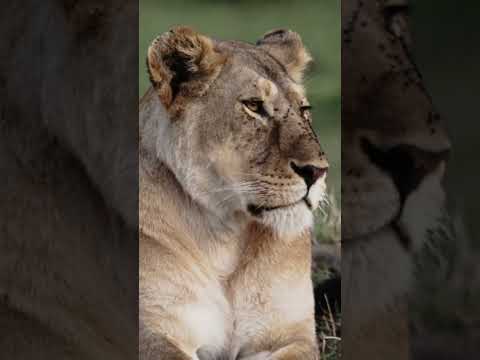
A lioness can have several pregnancies during her life. Birth frequency depends on food, pride stability, and whether her cubs survive.
Gestation lasts about 110 days. If conditions allow, she can go into heat several times a year.
Typical Pregnancy Frequency in the Wild
In the wild, a lioness usually gives birth every one to two years. Gestation takes about 110 days—that’s just over three months.
Lionesses can enter estrus multiple times a year, but if she’s nursing cubs, she often waits before mating again.
If her cubs die or disappear, she’ll come into heat sooner and might mate again within months.
Captive or well-fed lionesses sometimes breed closer to once a year. Wild lionesses, though, usually have longer gaps between litters because raising cubs is exhausting.
Key Factors Affecting Lioness Pregnancies
Food supply really controls how often lionesses can get pregnant. Good prey means faster recovery after birth and better milk for cubs.
Pride structure also matters. Stable prides with strong males protect cubs, which lets lionesses focus on raising them.
If new males take over, they often kill cubs, and that sends females back into heat faster.
Age and health play a role too. Lionesses start breeding around 3–4 years old, with their best years between 4 and 8.
Older lionesses have fewer cubs and struggle more with fertility. Disease, injury, and drought can also make pregnancies less likely.
Impact of Cub Survival and Interbirth Intervals
Cub survival really shapes how many litters a lioness can have. If cubs die, she’ll come into heat again quickly.
If cubs survive, she usually waits until they’re weaned or more independent before mating again. That can stretch the time between litters to two years or more.
Starvation, disease, hyenas, and new males are common reasons cubs don’t make it. So even though a lioness could theoretically have more pregnancies, real-life risks keep the number lower.
Pride Dynamics and the Lioness Reproductive Cycle

Pride structure, male behavior, and outside threats all shape how often lionesses breed and if their cubs survive.
These things affect when lionesses mate, how often they give birth, and whether their cubs make it to adulthood.
Role of Pride Structure in Reproduction
The size and makeup of a pride shape how lionesses raise cubs. In bigger prides with several females, lionesses often sync up their cycles and give birth around the same time.
They share nursing and care, which boosts cub survival.
Smaller or broken-up prides lose this teamwork. Orphaned cubs have lower odds when there aren’t enough lactating females.
Food availability ties into pride size too. Big groups hunt bigger prey but need more food, so in lean times, pregnancies drop or litters fail.
Stable prides with long-standing female groups support regular breeding. But frequent pride changes, often caused by humans or habitat loss, shorten the time females can reproduce and raise cubs.
Male Lions and Their Influence on Breeding
Male lions play a big role in when and how often lionesses get pregnant. A dominant male or coalition controls mating and territory.
If new males take over, they often kill cubs to bring females into heat faster. That pushes lionesses to mate again quickly.
Males also defend the pride from rivals and predators, which helps cubs survive. But if males can’t hold territory, fights and stress rise, and females might lose pregnancies or have trouble conceiving.
Male presence affects how often lionesses mate during estrus. A lioness may mate repeatedly with one or more males—this boosts the odds of conception.
But if males come and go too often, females have a harder time raising cubs, and their breeding success drops over time.
Challenges and Threats to Successful Pregnancies
Human activity, disease, and food stress make it harder for lionesses to have successful pregnancies.
When habitat shrinks or prey gets scarce, females have to spend more energy hunting. That extra effort drops their fertility and makes pregnancy loss more likely.
Poachers and people who kill lions out of retaliation often take out important adults, which tears apart pride bonds.
Diseases—especially feline illnesses that spread quickly in close groups—can hit pregnant females hard and raise the chance that cubs won’t survive.
In small or isolated prides, inbreeding causes genetic problems. That can lower birth rates and bump up the risk of stillbirths.
Social issues play a big role, too. When strange males take over a pride, they usually kill off the cubs and force females to breed again right away.
If you care about lions, it’s worth thinking about how protecting habitats, reducing conflict with people, and supporting anti-poaching efforts could help. Keeping prides stable gives pregnancies a much better shot.
Links for further reading: lion life cycle and reproduction from Britannica and a detailed look at reproductive timing from AllAboutCreatures.


